Red snapper fishing is a rite of summer and a tradition for so many anglers. I was 10 years old when the first big red snapper I ever caught nearly pulled me over the rail.
I was fishing offshore with my Uncle Danny, a former commercial fisherman from Mayport, Florida, who spent much of the 1970s and 1980s chasing snapper across the reefs, wrecks and live bottom of the Southeast. When that fish ate, it felt like I had hooked the bottom itself. Every turn of the reel was met with another surge toward the reef. By the time the fish finally came over the rail, I was staring at a red snapper pushing 30 pounds.
Years later, I would catch a snapper that tipped the scales at just over 32 pounds, but I still remember that first giant like it happened yesterday.
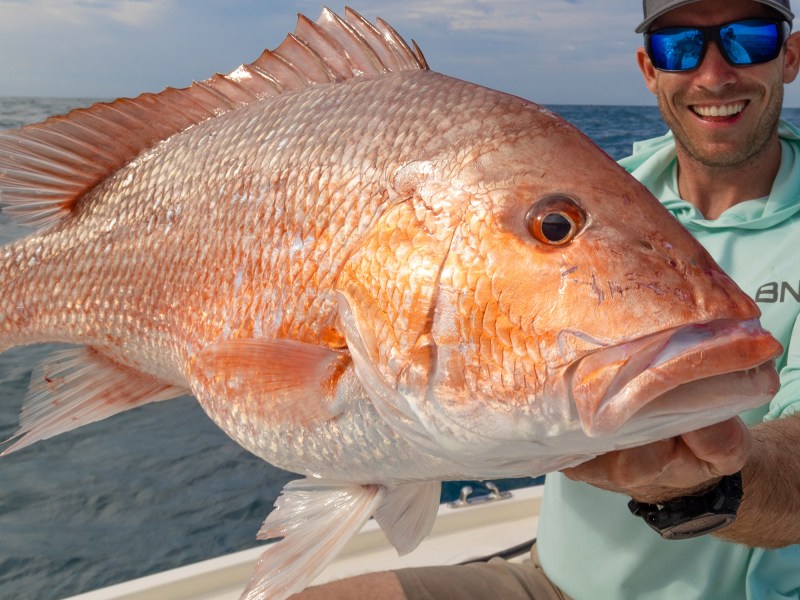
Part of it was the fight. Part of it was the color. Few fish in the ocean can match the beauty of a red snapper fresh from the depths. But what fascinates me most today isn’t the fish on the end of the line—it’s everything that happened before that moment.
The trophy snapper living on a wreck 40 miles offshore didn’t begin its life there. It may have traveled dozens of miles, occupied several different habitats, survived countless predators and spent decades growing into the fish anglers dream about catching. Understanding that journey not only makes these fish more fascinating, it can make us better fishermen.
To understand where to find a giant snapper, it helps to understand how one is made.
How Do Red Snapper Spawn?
Every red snapper starts life offshore. During the spawning season, which can run from May to October depending on the location, schools of mature fish can be found over reefs, hard bottom and natural structure where reproduction occurs. They do not migrate to aggregation sites like some other species, they reproduce in the schools and areas they already inhabit.
Large females release hundreds of thousands, and sometimes millions, of eggs into the water column over the course of a season. They do this by broadcasting smaller batches of eggs every few days. These eggs are then fertilized by males within the school.
Not all spawning fish contribute equally. Research shows that larger, older females are dramatically more productive than younger fish and release more eggs, more frequently. A 5-year-old female can produce roughly eight times as many eggs than a 3-year-old fish, illustrating why age structure matters so much within snapper populations. The biggest fish aren’t just trophies—they’re biological powerhouses.
Once fertilized, those eggs become passengers of the sea. At this stage, a red snapper has no control over where it goes. Ocean currents determine its direction. Water temperature influences its development. Food availability affects growth. Predators lurk at every turn.
Within a day or two, the eggs hatch into larvae that bear little resemblance to the fish anglers know and love. They’re nearly transparent and survive by feeding on microscopic plankton suspended in the water column.
The odds are stacked heavily against them.
For every snapper that eventually reaches adulthood, countless others are consumed by baitfish, jellyfish, larger predators or simply fail to find suitable habitat. Survival during these early stages is largely a numbers game, which is why mature females produce such enormous quantities of eggs.
The fish that survive undergo rapid physical changes. Their fins develop. Their eyes enlarge. Their bodies begin taking on the shape of a predator built for life around structure.
Red Snapper are Built for the Reef
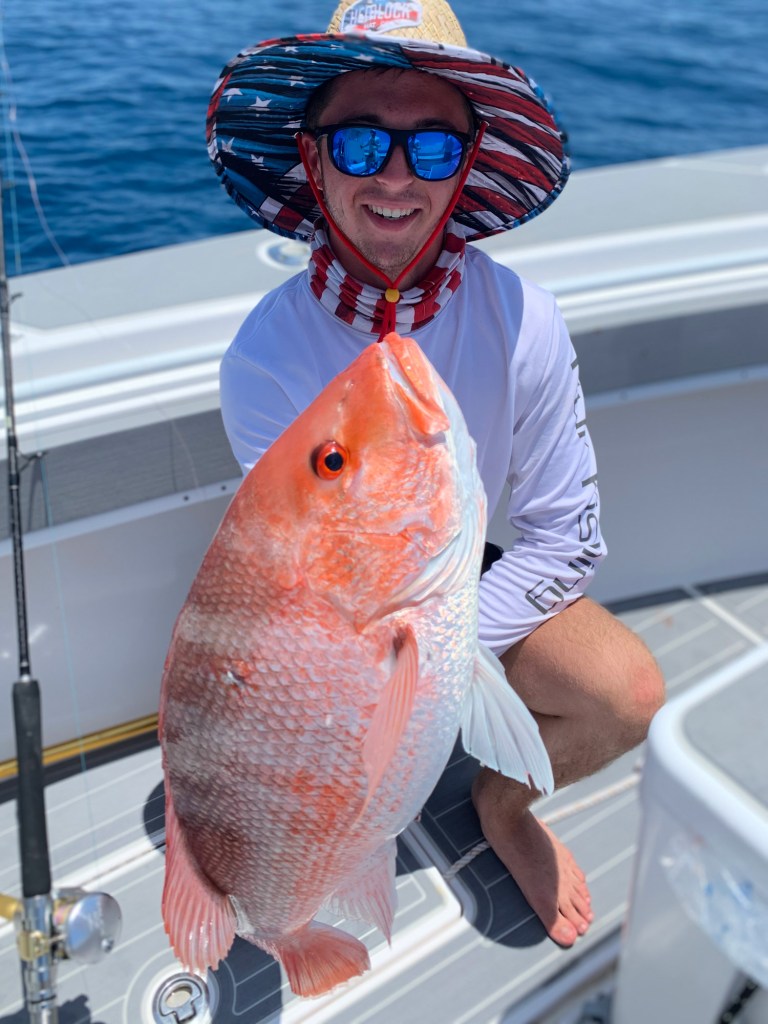
Red snapper are remarkably well-designed fish. Their bodies are deep and laterally compressed, allowing them to maneuver efficiently around reefs, ledges and wrecks while still possessing the power needed to make blistering runs back to structure after being hooked.
Their large eyes aren’t just for appearance. They help the fish locate prey in deeper water where sunlight becomes increasingly limited. This advantage becomes more important as snapper move offshore and begin spending more of their lives in depths where light penetration is reduced.
Even their famous coloration serves a purpose. The bright red color that makes snapper instantly recognizable at the surface looks very different 150 feet underwater. Red wavelengths are absorbed quickly as depth increases, causing those brilliant fish to appear much darker and blend into their surroundings far better than anglers might expect.
Perhaps most impressive is the life span of red snapper. Red snapper can live for more than 50 years. According to NOAA Fisheries, red snapper as old as 57 years have been reported in the Gulf and 51 years in the South Atlantic.
That’s longer than many boats remain in service. Some of the biggest fish swimming today may have hatched before modern GPS units were common in recreational fishing boats. When anglers admire a giant snapper, they’re often looking at decades of survival and adaptation.
Juvenile Red Snapper
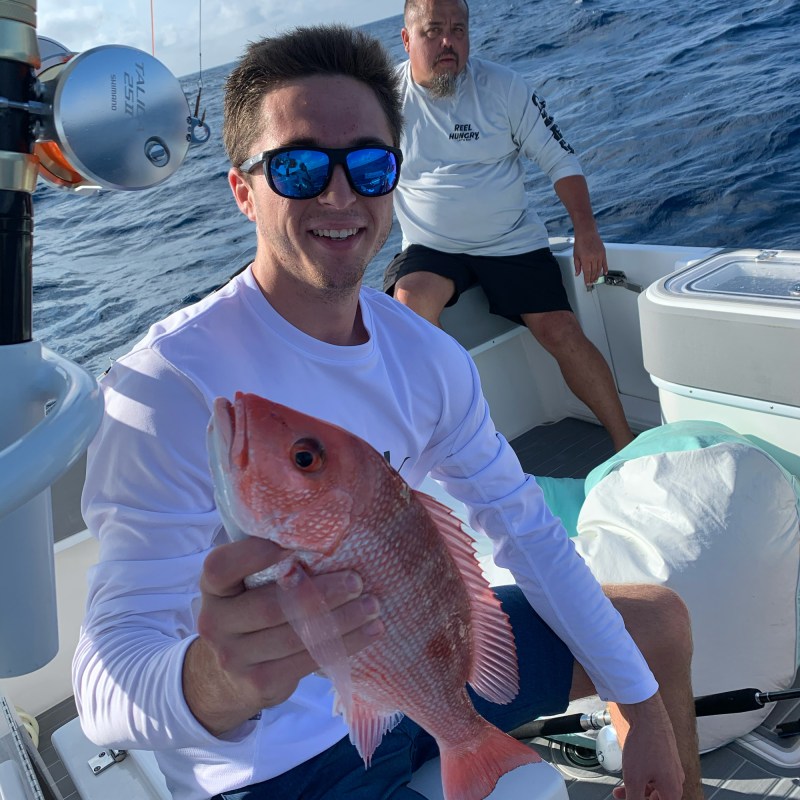
As young snapper grow large enough to leave the open water, they begin searching for places that offer protection. This stage of the life cycle surprises many anglers because juvenile snapper aren’t always found where most people expect.
While adult fish are commonly associated with deep offshore reefs and wrecks, younger fish often utilize lower-relief habitat much closer to shore. Nearshore reefs, artificial reefs, scattered hard bottom and other forms of structure can serve as nursery habitat.
I’ve encountered juvenile snapper on nearshore reefs in less than 50 feet of water more times than I can count. Most anglers running offshore in search of giant fish don’t give these areas much thought, but they’re an important chapter in the life story of a red snapper.
At this stage, the goal is survival. Young fish need protection from predators while maintaining access to food. Smaller pieces of structure provide both.
By the time female red snapper reach roughly two years of age, many are already capable of reproducing. Males typically reach sexual maturity shortly afterward. While they’re still relatively small compared to the giants anglers dream about, these fish are already contributing to the next generation. It’s a reminder that a snapper’s role in the ecosystem changes long before it reaches trophy size.
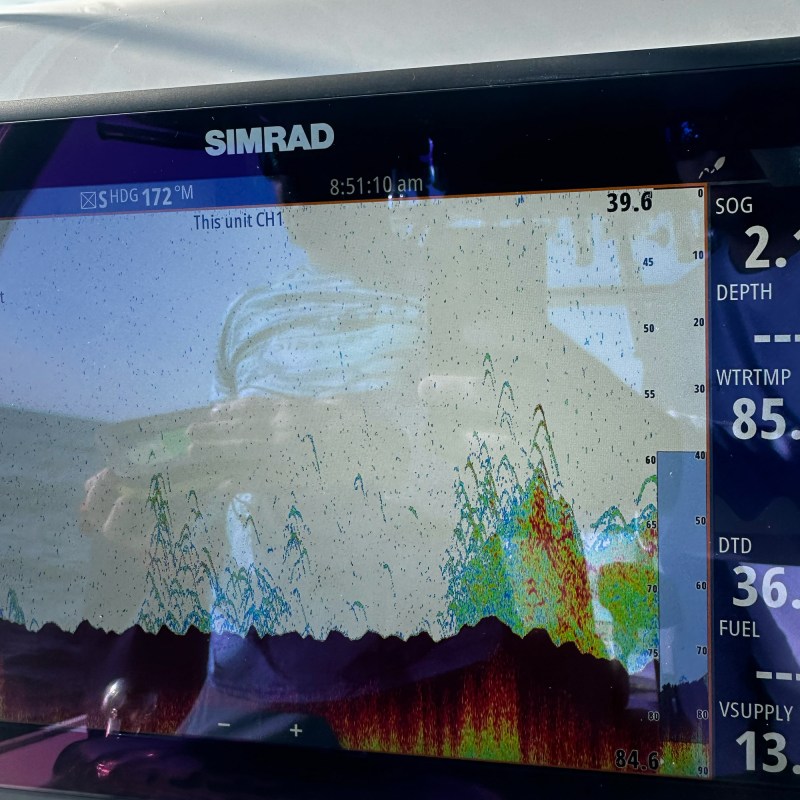
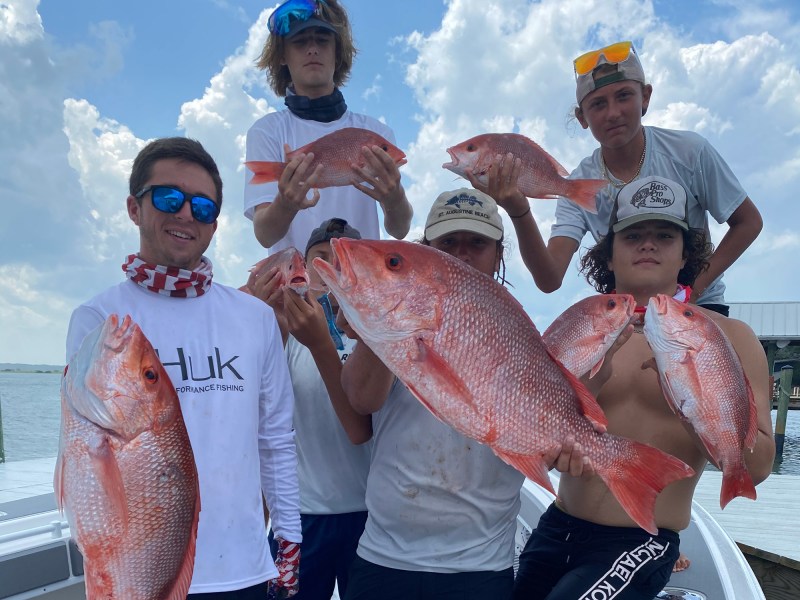
For anglers, understanding this behavior changes the search strategy. If you’re targeting numbers of fish rather than size, broad areas of nearshore habitat can be surprisingly productive. Modern side-scan sonar is especially useful for locating these low-profile areas that might otherwise go unnoticed.
Snapper Follow Food and Structure
As red snapper grow, their world expands. The tiny forage they relied upon as juveniles gradually gives way to larger prey. Crustaceans, baitfish and other marine organisms become increasingly important components of their diet. With that dietary shift comes a greater need for habitat that consistently attracts food.
This is where structure begins to play a major role. Natural ledges, rock piles, artificial reefs, wrecks, and live bottom all provide the ingredients snapper need to thrive.
My Uncle Danny understood this long before the age of digital charts and high-definition sonar. Commercial fishing taught him that productive bottom wasn’t always obvious. Some of his favorite areas were subtle pieces of live bottom that barely stood out from the surrounding seafloor.
Yet year after year they held fish. His logbooks reflected decades of observations. Certain spots produced consistently because they provided food, current and protection. The fish might change, but the habitat rarely did.
That’s still true today. Technology has improved dramatically, but the fish continue to follow the same basic rules.
Red Snapper are Homebodies
As red snapper mature, many begin shifting toward larger and deeper habitat.
Scientists believe several factors contribute to this movement. Larger fish require more food. They need access to spawning areas. They benefit from occupying habitat that offers both security and consistent feeding opportunities.
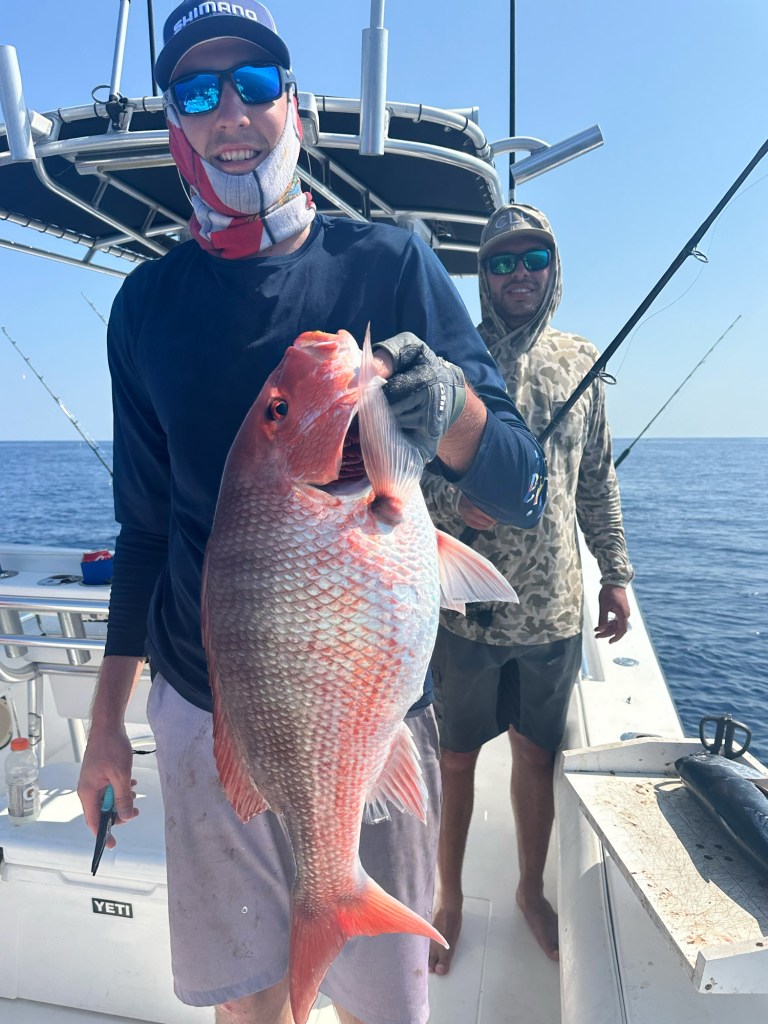
Interestingly, once red snapper reach maturity and establish themselves on productive habitat, many become surprisingly home-oriented. Tagging studies have shown that mature fish often spend most of their lives within a relatively small area, sometimes remaining within about a mile and a half of their preferred structure. While they may move vertically through the water column or shift between nearby pieces of habitat, many adult snapper are far less nomadic than anglers might assume.
For anglers, this creates a roadmap. If your goal is to catch lots of fish, focus on habitat that supports younger age classes. If your goal is to catch a giant, focus on habitat capable of supporting older fish.
Those are two very different objectives. A trophy snapper isn’t simply a larger version of a smaller fish. It’s a fish that has survived for decades and earned the best real estate available.
Life on Deep Structure
Some of the largest snapper I’ve encountered have come from water between 120 and 180 feet deep, although I’ve caught them in depths exceeding 240 feet. By this stage in life, these fish are masters of their environment.
Large red snapper know every contour of the structure they inhabit. They understand where current concentrates bait. They know where predators approach. Most importantly for anglers, they know exactly where to run when they feel a hook.
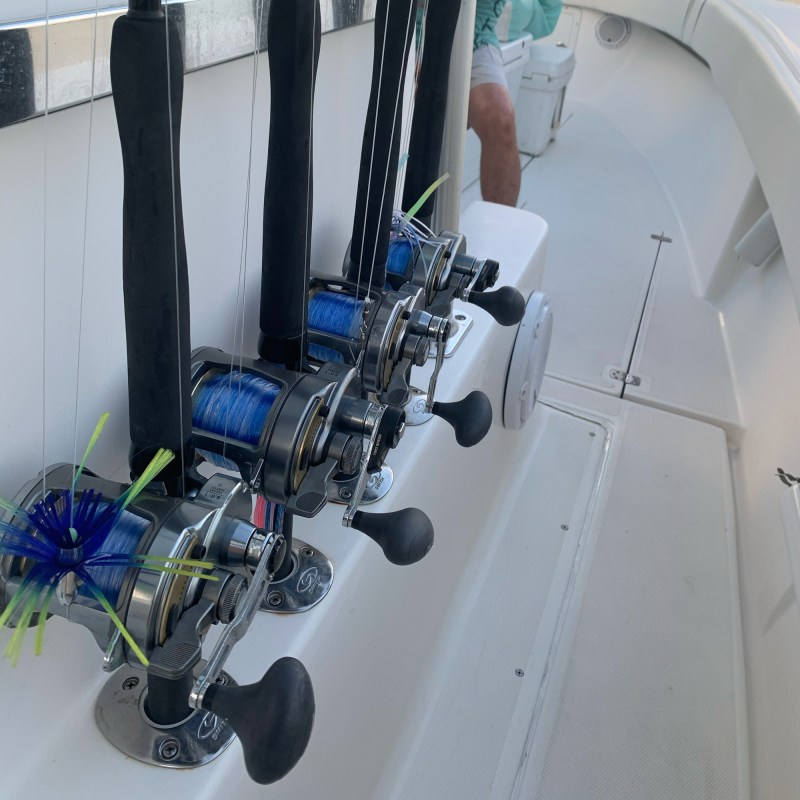
This is where many fishermen lose their biggest fish. One of the most common mistakes I see is using tackle that’s too light. The issue isn’t fighting power—it’s control. Give a large snapper a few seconds to reach a wreck or ledge, and the battle is often over.
Most anglers think catching a red snapper is easy. Catching one isn’t particularly hard. Landing a truly large one is another story entirely.
How to Target Red Snapper
One of the most significant advances in modern snapper fishing isn’t new tackle or bigger boats. It’s information. High-definition mapping, detailed bottom charts and modern sonar have revealed things many anglers never realized.
One of the most important discoveries is that mature snapper don’t always sit directly on the bottom. In heavily pressured areas, large fish frequently suspend above structure. Sometimes they’re only a few feet off the reef. Other times they may be much higher in the water column.
That realization has changed fishing strategies. Instead of dropping every bait straight to the bottom, many anglers now stagger presentations throughout the water column. Free-lined baits, chunking techniques and suspended presentations can all produce fish that traditional bottom-fishing approaches miss entirely. Jigging has become a popular method as well.
I’ve become a believer in this approach myself. Some of the most aggressive fish I’ve seen were nowhere near the bottom. They were feeding above it.
Bigger Fish Require a Different Strategy
Understanding the life cycle of a red snapper changes how anglers should target them. Smaller fish often reward a search-based approach. Find habitat and you’ll usually find fish.
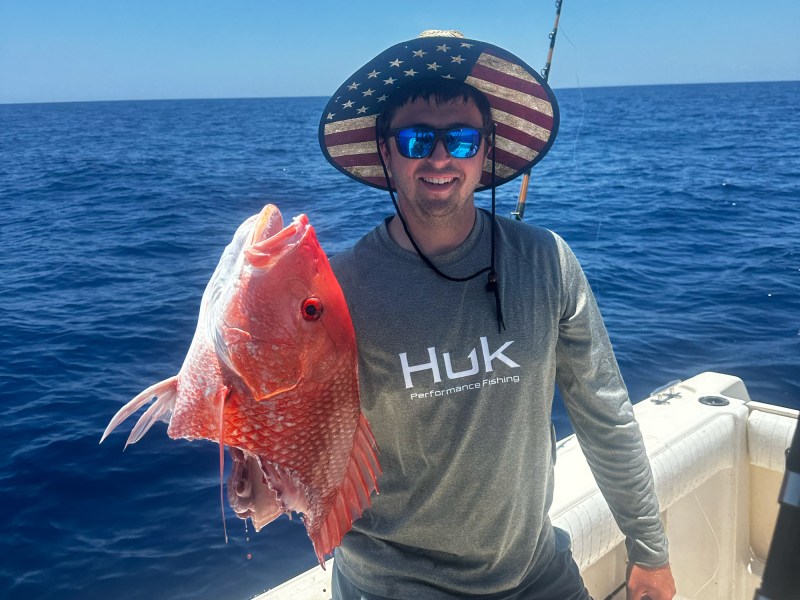
Large fish demand precision. The biggest snapper on a piece of structure often occupies the best position available. That might be the up-current side of a wreck, the edge of a ledge where bait is funneled by current, or an isolated section of live bottom that receives little fishing pressure.
Bait selection evolves as well. One of my favorite offerings for large snapper is a live pinfish. Bigger fish tend to favor larger meals, and substantial baits help weed through smaller fish.
My uncle Danny always swore by another option—a mackerel tucked inside a whole squid. It was one of his favorite dead-bait combinations and produced countless fish over the years.
Different stages of a snapper’s life require different strategies, but one thing remains constant. The fish never stop relating to structure.
Read Next: How to Fillet a Red Snapper in 7 Steps
More Than Just a Reef Fish
My uncle Danny often talks about a different era of snapper fishing. He remembers all-night bites when the fish were stacked beneath the boat. He remembers giant schools of manta rays drifting through offshore grounds under the cover of darkness. He remembers a time when 20-pound snapper were common enough that they didn’t draw much attention.
His biggest weighed 37 pounds. Today, a fish of that caliber would become the story of the season for most anglers.
Whether populations are larger or smaller than they once were is a debate fishermen will likely have forever. What isn’t debatable is how remarkable these fish truly are. With annual recreational and commercial harvests that exceed 8 million pounds in U.S. waters, red snapper remain one of the most studied, managed and sought-after reef fish in the country. Their popularity is a testament to both their sporting qualities and their importance to coastal communities throughout the Gulf and Atlantic.
The next time a big red snapper comes over the rail, take a moment to appreciate what you’re looking at. You’re not just holding a fish. You’re holding the final chapter of a story that may have begun half a century ago.