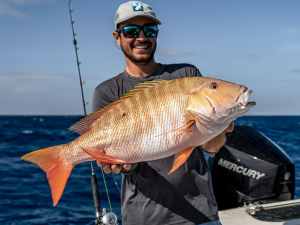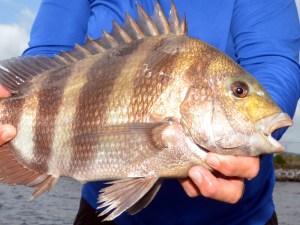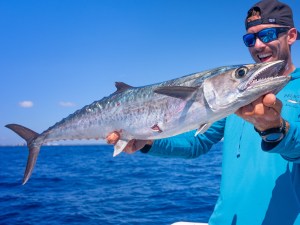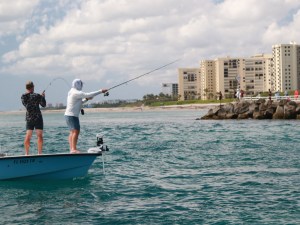
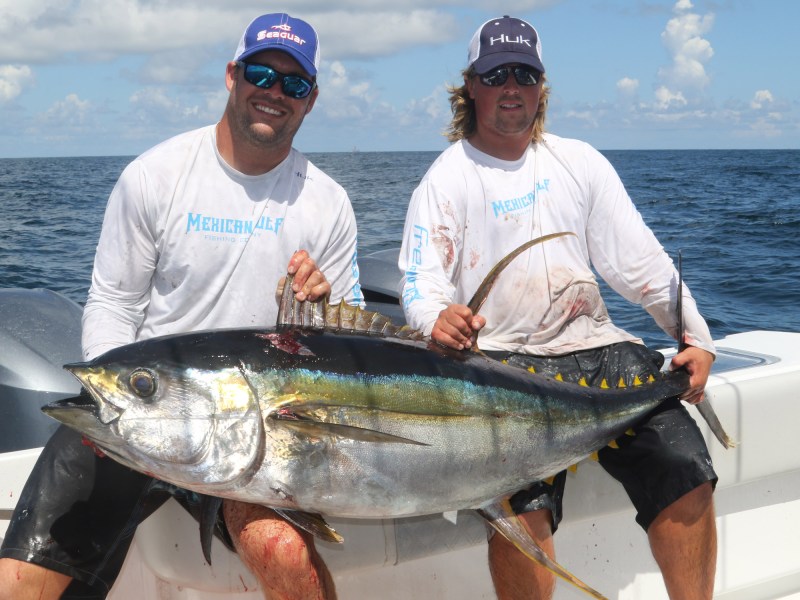
Anglers target certain sport fish for various reasons. Rarity, table fare, Instagram-worthy aesthetics, they’re all valid criteria, but a lot of it comes down to the physical challenge. Can you whip a strong fish mano-a-mano?
For those seeking such a challenge, the Gulf of America holds a deep roster of hard-fighting fish. With something for every taste, inshore, offshore and coastal areas hold a diverse array of species that’ll give you all you want.
This is not necessarily a formal ranking, as 10 anglers will list their faves in the order that fits their preferences and experiences. It’s all good; each to their own. That being said, we’ll lace this list with a few logical criteria.
In fairness, we’re skipping the marlin and swordfish on this one, only because those are more specialized fisheries. Also, in many cases it’s like comparing NFL players to high school All-Americans. Respect at both levels, but division usually makes sense.
For clarity, we’re including examples of fish that you’d engage on the tackle with which they’re typically matched, not some record-seeking downsized tackle effort. A hostile grunt hooked on a 3-foot ice fishing rod with 2-pound line certainly would be a handful, but that’s not the focus.
So, here’s a roundup of 10 hard-charging Gulf fish that’ll leave a lasting impression.
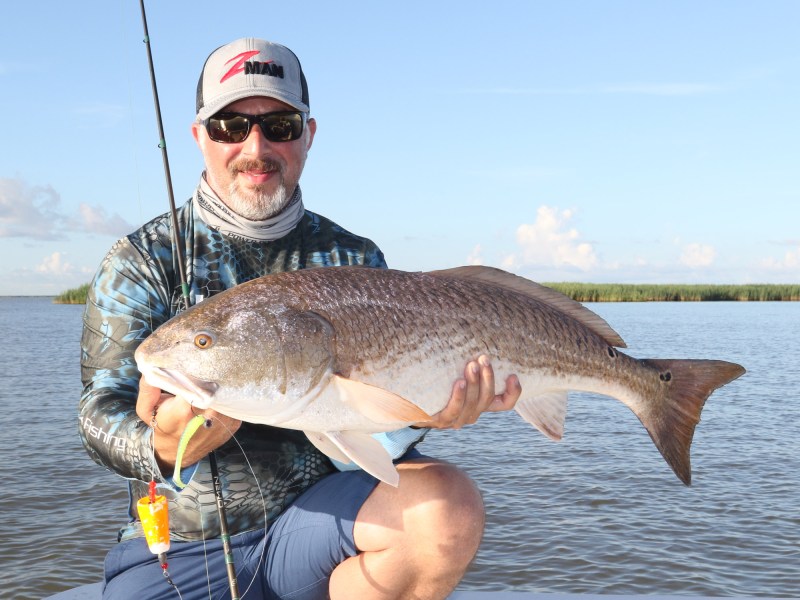
Bull Redfish
Probably the most widely available of the arm-stretchers, jumbo redfish present a year-round opportunity throughout the Mississippi Delta region, but elsewhere, anglers most often encounter these crimson brutes during the late-summer/fall period, when spawning aggregations bring them close to coastal passes.
Schooling activity drives feeding competition, so bull reds chew aggressively when they gather to spawn. Live menhaden or mullet free lined or fished under a popping cork, big topwater walkers, 1-ounce gold spoons, they’re all productive options for a fish that hits like a truck and tests your tackle and endurance.
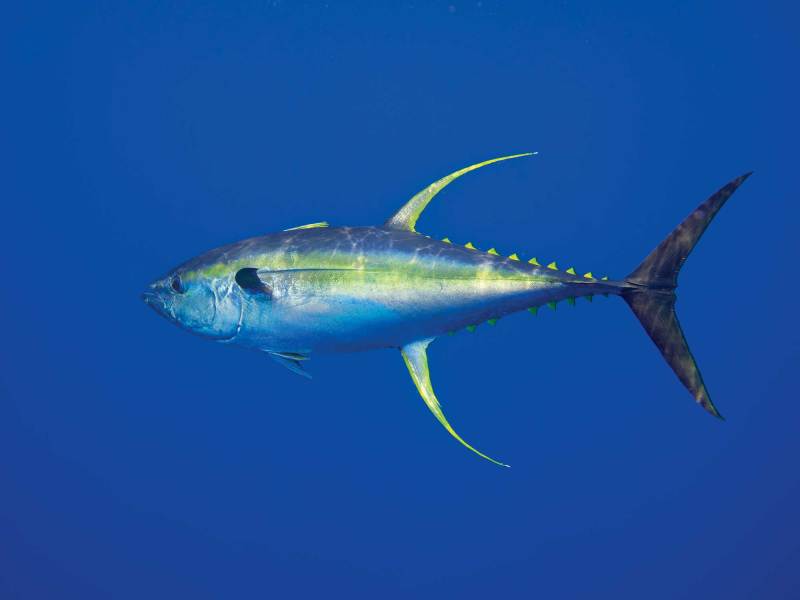
Yellowfin Tuna
If you’re looking for a top-to-bottom box checker, this is your fish. Visually stunning – check. Willingness to bite – check. Amazing table fare – check. Relentlessly punishing fights – check.
With a streamlined torpedo shape, a rigid thrust-generating tail and a warm-blooded, high-metabolic design, yellowfin tuna are built for speed and power. These fish need lots of fuel, so when they spot your cut bait, live blue runner or that surface popper, it’s game time.
Long runs are cool, but once a tuna settles into the brutal tug-of-war many fathoms below, go ahead and have someone book your therapeutic massage appointment. And here’s the truly cruel part — after a grueling struggle to regain 50 yards of line, a yellowfin tuna’s second wind kicks in and you lose all that, plus another 50.
Simple advice, when it’s your turn on the rod, you’d better be ready. I’ve seen sturdy men pushed to their physical and mental limits. Their faces become mood rings showing every phase from elation, to concern, to “what have I gotten myself into?”
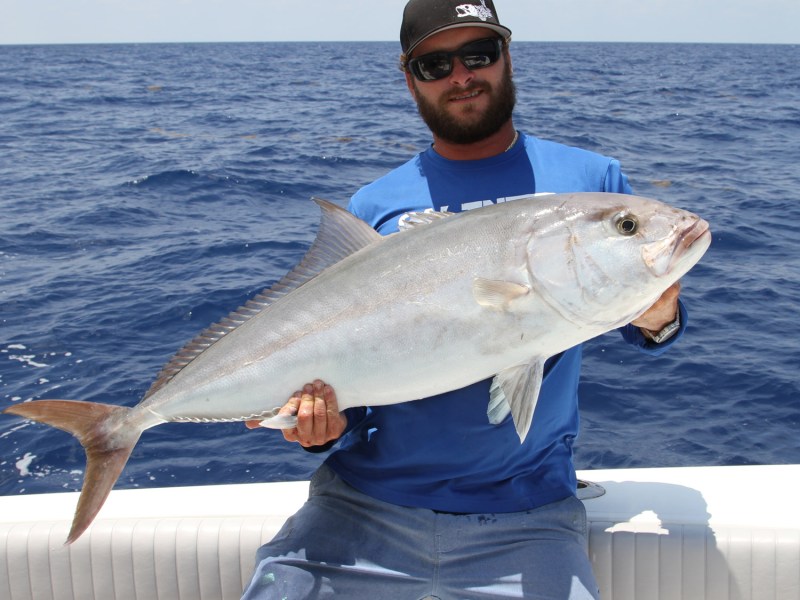
Greater Amberjack
The bullies of wrecks, reefs and drilling rigs, Amberjacks aren’t going to win any beauty contests, but their firm, chunky fillets do nicely on the grill or in the smoker. Getting to that point, however, means enduring the double-tough fight.
Deep drop a live bait or aggressively work a blade-style jig, and you’ll connect, but try beating the surface with a rod tip and you’ll often raise the AJs for shots with poppers, big swimbaits and even heavy fly tackle.
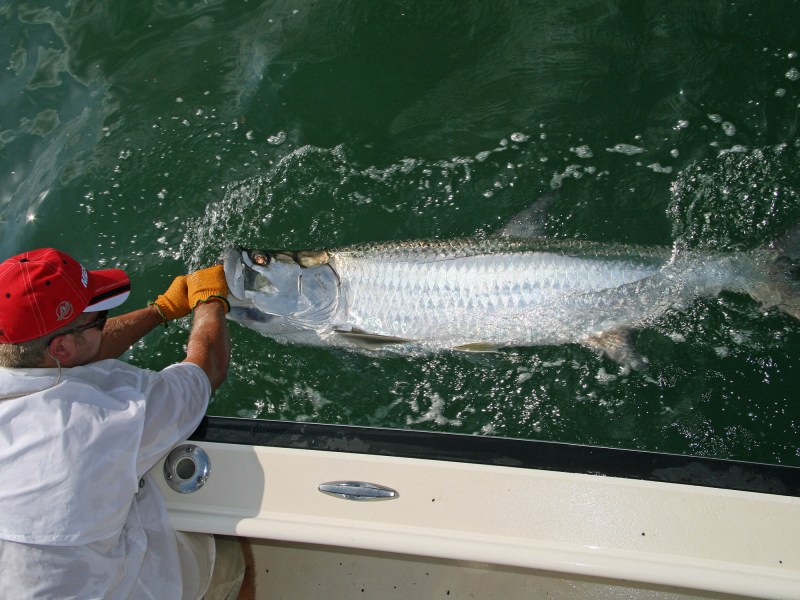
Tarpon
The jumps are spectacular, but there’s also a lot of grunt work with the big ones. If your fish stays buttoned through that initial sprint and the enraged acrobatics, that’s when the work starts.
Fighting a tarpon in deeper areas like Tampa Bay’s Egmont Channel or world-famous Boca Grande Pass is more of a chore than on the beaches and flats. That’s because a fish in 10 to 12 feet of water spends a lot more time in the air than one that can hug the bottom in 40-plus.
Take into consideration the fact that tarpon are able to gulp air for a respiratory bonus. You’ll notice a silver king will rise and roll during a fight to increase its oxygen intake, so when you see the fish approach the surface, holding you rod tip low and prohibiting this boost will wrap up the fight a little sooner.
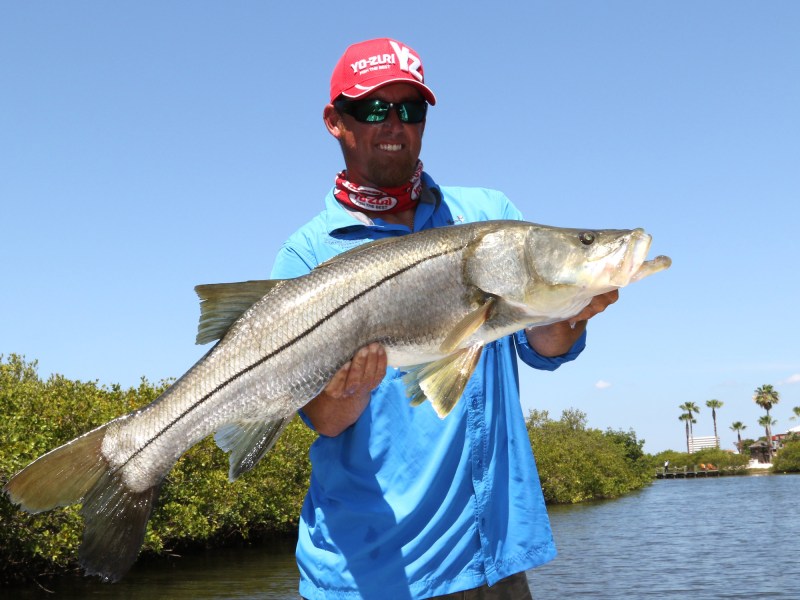
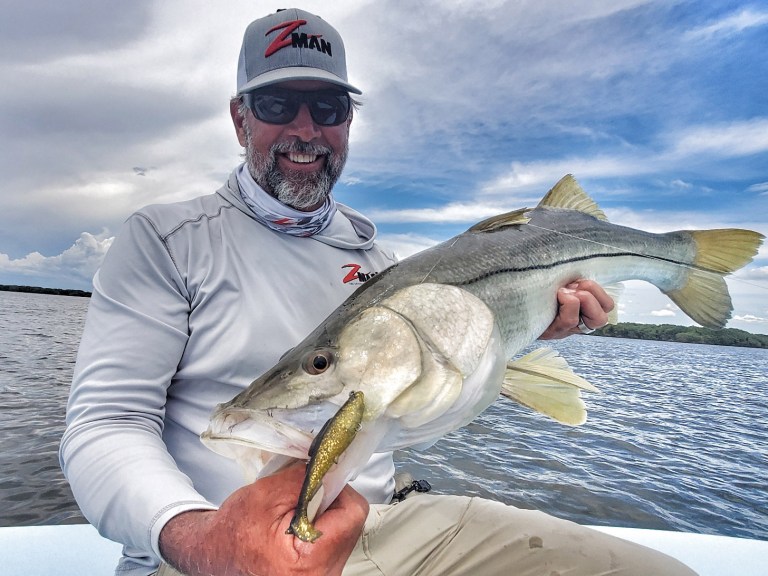
Snook
Linesiders are sporty at any size, but once you break into that 30-inch range, you have a serious battle on your hands. Snook like cover, so whether it’s a dock or bridge piling, or a gnarly mangrove root mass, you’ve got to keep your newly-connected snook from reaching its line-busting destination.
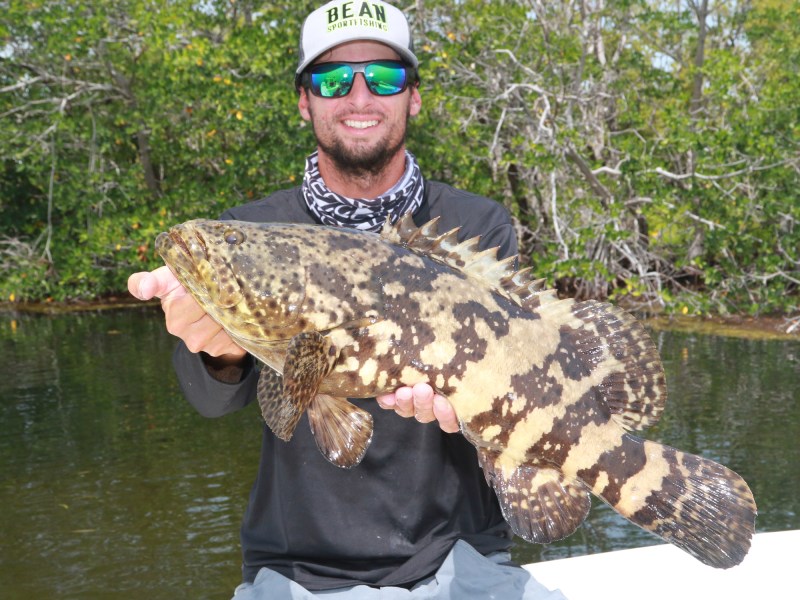
Goliath Grouper
Countless YouTube videos show anglers dropping giant baits on broom stick rods, only to have lines snapped and rods broken. I’ve even seen rod holders ripped out of gunwales by couch-sized giants.
Smaller goliaths under the 50-pound mark offer more doable targets, but don’t underestimate these fish. Expect thunderous bites and unbelievably powerful resistance. Around bridges, marina docks, jetties, and overhanging mangroves, “babies” in the 10- to 20-pound range will feel like you’ve hooked bottom until the bottom starts creeping toward its next hidey hole.
One of the most fun things I’ve ever done was handline a goliath pushing 200-pounds. My guide kept a rope with a massive hook in a laundry basket and on the way in from trips, he’d hook a huge blue runner or a bonito and drop it to a reef in about 30 feet. Gloves improve your grip, but with no rod to distribute the pressure, it’s you and the fish. Ego means nothing; your pain means nothing to a fish that just wants his next big meal.
I did it once. I do not need to do it again.
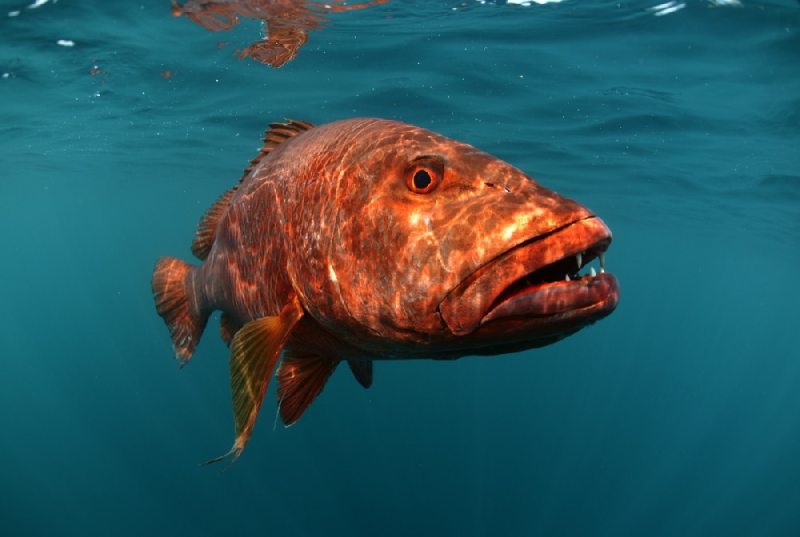
Cubera Snapper
An absolute beast, both in appearance and attitude, the cubera packs a punch like no other snapper. It’s kind of like the mangrove snapper’s tough, high-school dropout cousin that beats up all the other kids on the block, but in all seriousness, these fish with the intimidating stare and toothy display can hold their own in an arm-wrestling match with grouper of similar size.
Giants of 50-plus pounds terrorize offshore reefs, but inlets, jetties, rock ledges and riprap shorelines hold plenty of 5- to 10-pounders that’ll test you on medium-heavy spinning gear.
Cobia
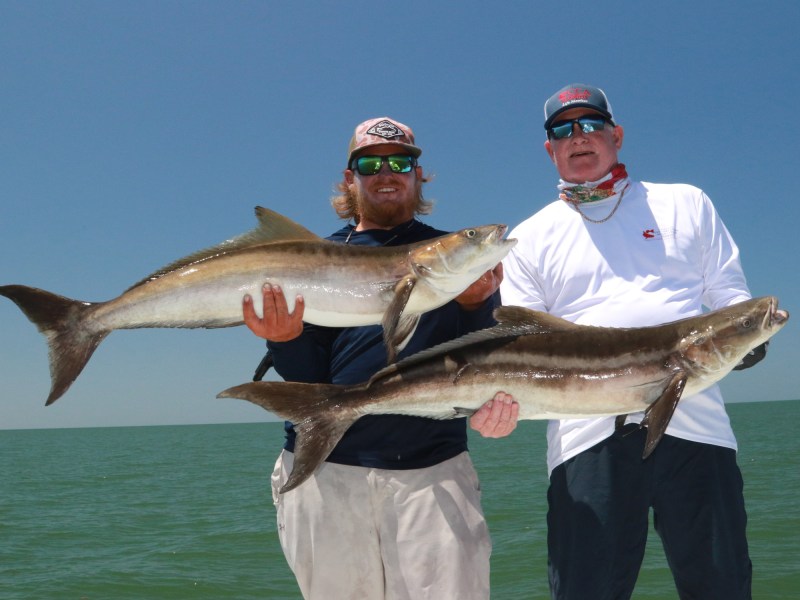
Not the most discerning fish in the ocean, cobia commonly just show up next to an anchored boat like raccoons checking a patio for unguarded dog food. Pitch a live bait or a hair jig their way and the hook-up is nearly a foregone conclusion. Similarly, when you’re fighting a hooked cobia, keep a bait ready for the company likely in tow.
From jigging Northern Gulf rigs, to trolling live baits over shallow wrecks and rock piles, to sight fishing the brown bombers following sting rays on the flats, how you hook a cobia matters less than your preparation for the stubborn battle that ensues.
Jack Crevalle
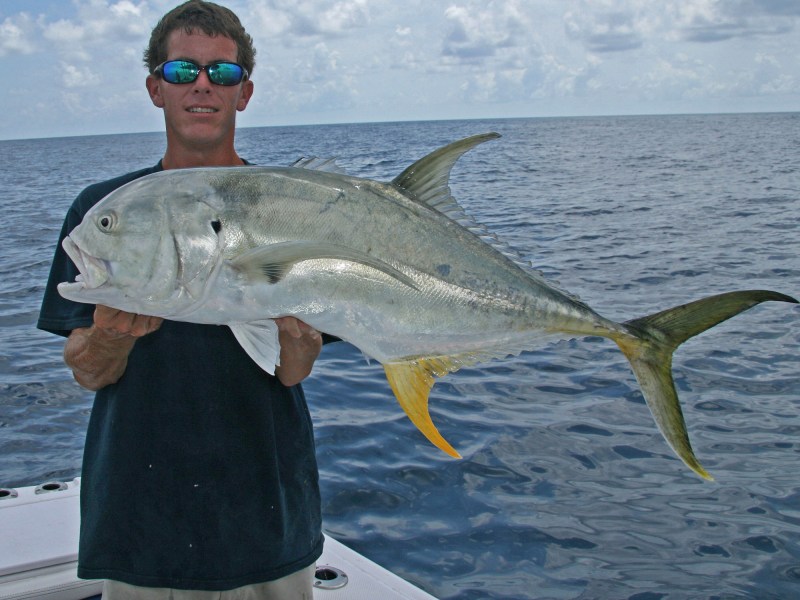
Generally considered an inshore nuisance, juvenile jacks given to stealing baits intended for trout, redfish and snook get no love. However, tie into a jack of a dozen pounds or more and you’ll understand why they’re known as “flats tuna.”
Indiscriminate eaters with impressive speed, jacks eat pretty much whatever they can catch, so that could mean anything from the live pinfish or pogy you dropped for snapper, to a walking topwater or a slow-sinking twitchbait meant for trout or snook.
One of my most grueling angling experiences: Fighting a whopper jack close to 30 pounds from a couple hundred feet down. The fish grabbed the sardine I dropped near a rig outside of Mobile Bay and stretched my arms for nearly 15 minutes.
Sharks
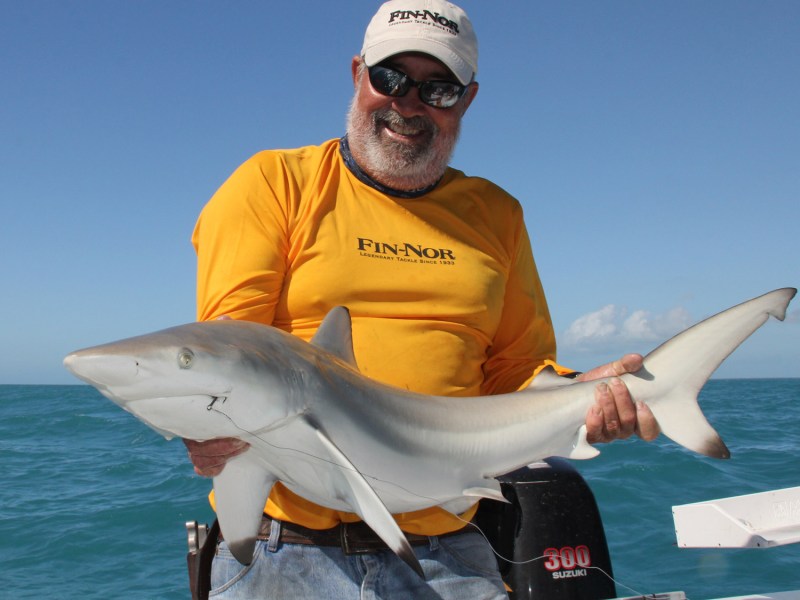
There are lots of options here, and it’s really not important to rank blacktips, bulls, tigers, sandbar, hammerhead or dusky sharks. Just know this family merits general inclusion on anyone’s list of the hardest fighters.
These fish are built around a flexible cartilaginous frame rather than a rigid bony skeleton. This gives a shark incredible flexibility, which only benefits their fighting ability. Stay safe, and remember that a shark can move in ways a bony fish never will. This is important when dehooking your hard-fighting catch.