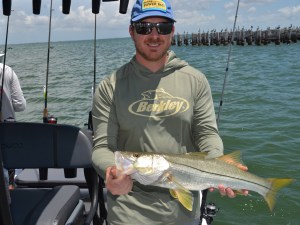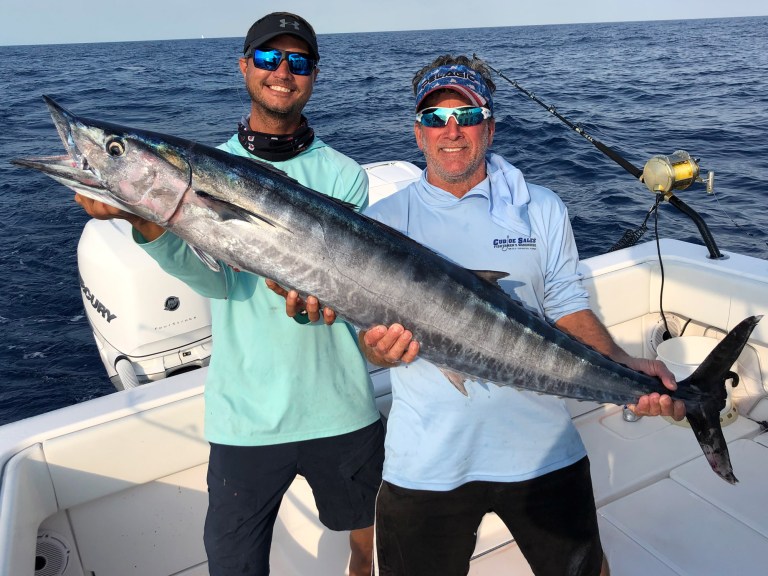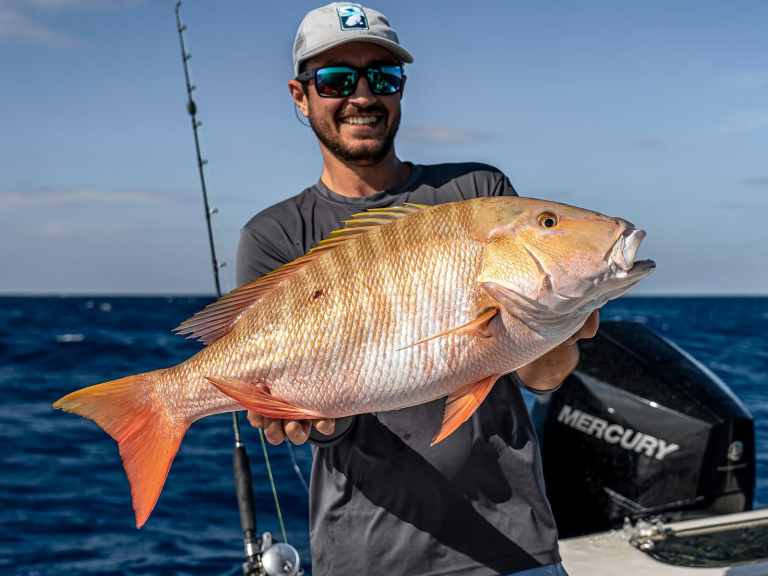
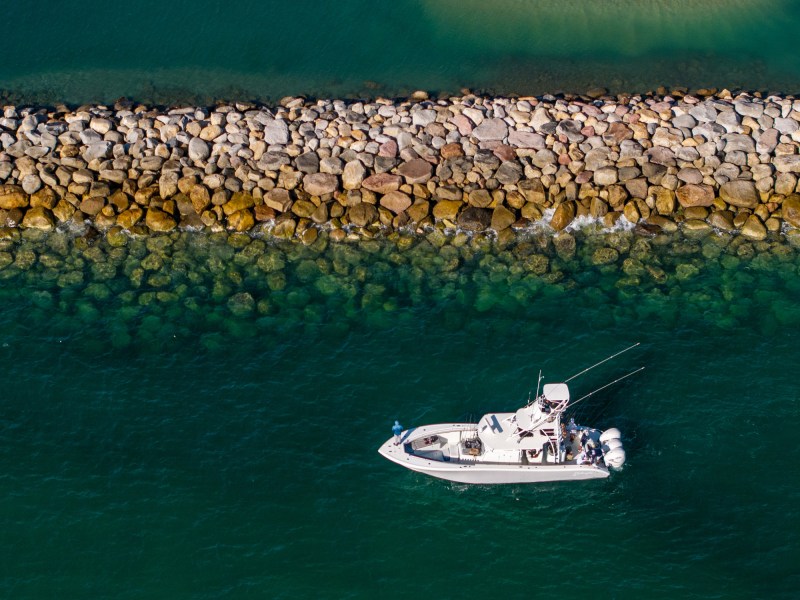
“Jetties are good places to fish because they provide food, protection and habitat for juvenile and adult fish,” explained Marie Head, an Alabama Marine Resources Division biologist in Gulf Shores. “Baitfish commonly found around Gulf Coast jetties include scaled sardines, pinfish, tomtate, Atlantic bumpers and pigfish. Invertebrates, like crabs and shrimp, also cling to the rocks. Around jetties, anglers typically catch sheepshead, redfish, gray or mangrove snapper, pompano, black drum, flounder and other species.”
Pulled by a powerful tide falling out of the estuary, water swirls around the tips of two long, parallel rows of concrete blocks defining the pass. More than currents disrupted the surface, baitfish leap in futile attempts to evade predators waiting to eat them in a never-ending life and death struggle. All the life consolidated around jetties makes them high percentage structures to fish.
Built to mark channels, concentrate or redirect currents and control the forces of nature, jetties create entire ecosystems around them. Rock or concrete blocks sprout with barnacles, algae and other foods for small fish, crabs, shrimp and different creatures. Where small creatures gather, bigger fish hunt.
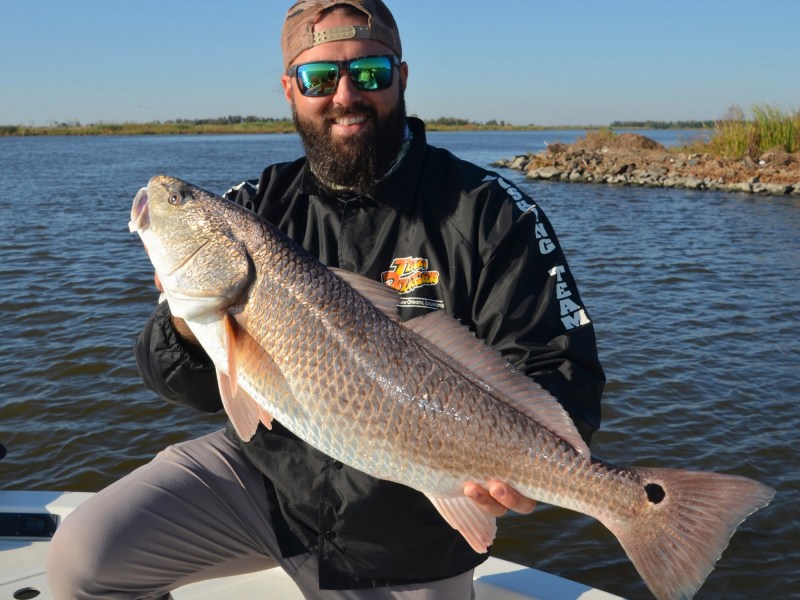
Fishing the Jetties
“Each jetty is an artificial reef,” said Sonny Schindler of Shore Thing Fishing Charters in Bay St. Louis, Miss. “Each reef is a fish oasis. The rocks create entire food chains that attract all kinds of species.”
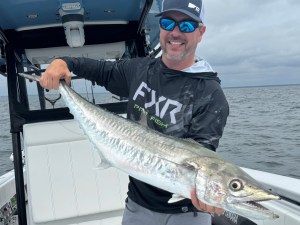
Redfish and black drum cruise the blocks looking for anything delicious. Sheepshead stay around hard structures to feast upon barnacles, crabs, shrimp and other morsels. Spanish mackerel, bluefish, cobia and jack crevalle hunt baitfish in nearby open waters.
People only see a few rocks or blocks protruding from the surface, but jetties contain considerably more structure underwater. Most jetties form a pyramidal shape with rocks extending some distance from the apex. The deeper the water, the wider the bottom of the structure.
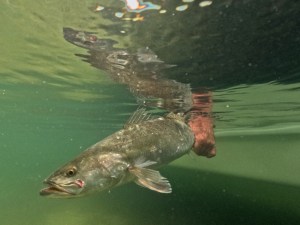
Speckled trout normally stay near jetties, but not right in the rocks. They roam the deeper waters a short distance away. People could anchor at a good spot or use their trolling motors to fish jetties like they would a shoreline, casting to likely spots.
“Try to picture where the rocks end,” advised Mike Frenette with Redfish Lodge of Louisiana, who runs out of Venice, La. “Cast there and let the bait sink to the bottom. Be patient and work the bait slowly. I’ll throw a 3/8- or 1/2-ounce jig head tipped with a Strike King Rage Menace or a Flood Minnow soft-plastic trailer worked slowly along the bottom about 5 feet away from the rocks. Lift the rod up and then let the bait sink down to make a slow hop along the bottom.”
To avoid losing so much tackle to the rocks, blocks or bottom, dangle a live shrimp or baitfish about 18 to 24 inches below a popping cork. Toss it a couple feet from the rocks and pop it occasionally.
A struggling live shrimp might attract just about any predatory species. Also try various soft-plastic enticements under popping corks. Fish those lures the same way.
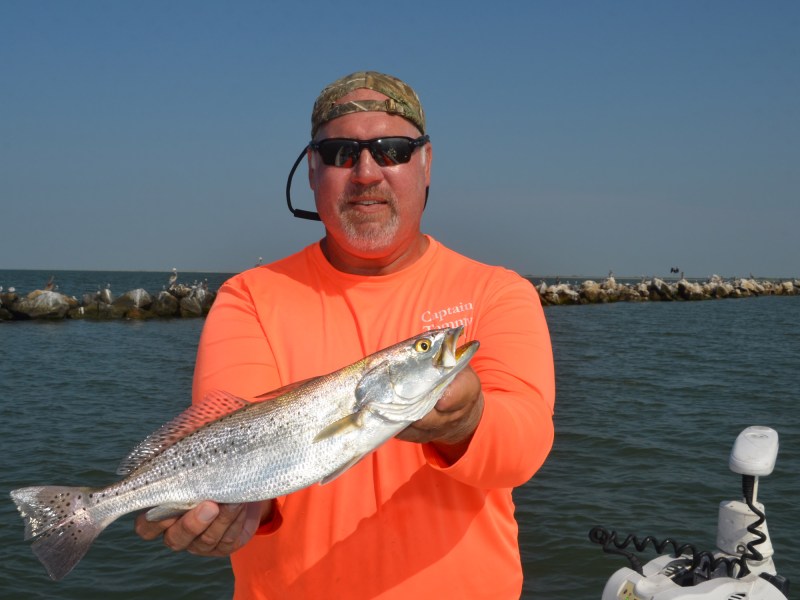
Jetty Fishing With Topwaters
Speckled trout go where they find bait. If baitfish hang near the surface, throw topwater lures. Topwaters traditionally produce larger-than-average specks, but fewer bites than live bait or plastics.
For trophy trout, most saltwater anglers prefer walk-the-dog topwaters, such as the MirrOlure Top Dog family of baits, Heddon Super Spooks or Rapala Skitter Walks. Sliding side to side across the surface, they simulate wounded baitfish. Topwaters also tempt big redfish, jacks and other predators.
“For big trout, I like throwing topwater baits,” said Ronnie Daniels of Fisher-Man Guide Services of Pass Christian, Miss. “In my opinion, throwing topwaters is the most enjoyable way to fish. Even missing a fish is exciting!”
Jetties squeeze water through constricted spaces like putting a thumb over a hose. Currents scour holes. In addition, breaks in the rocks often allow boat passage through the jetties without going all the way to the end. Currents pouring through these openings also scour holes.
Catch Jetty Monsters on Live Baits
Big redfish, black drum and other fish drop into these holes or wait at the openings to ambush whatever the tide brings them. In general, fish inside the rows or by the tip during a falling tide and outside the rocks on a rising tide.
“We fish for redfish just like for trout, slowly on the bottom, but I might use a bigger trailer,” Frenette said. “For redfish, I like a 3.75- to 4.5-inch trailer. We position the boat about 20 yards from the rocks and cast towards them. We hop the bait back towards the boat slowly. Sometimes, we mark fish with our electronics and vertically jig down to them if they are holding in one spot.”
For bull reds and giant drum, fish natural baits. Reds devour whole, live or cut mullet, croaker or menhaden fished on a free line. Although targeting bull reds, live bait on a free line might also entice trophy specks, Spanish mackerel, bluefish, possibly even a cobia.
“For redfish, I hook a live croaker, pinfish or other baitfish through the eyes,” remarked Ritchie Russell with Russell’s Coastal Fishing in Orange Beach, Ala. “When redfish are feeding really close to the rocks, we put a live croaker as close to the rocks as we possibly can.”
Large redfish and drum can’t resist a crab. For giants, hook a whole fresh crab on a Carolina rig. Keep the top shell intact, but crack it to let juices ooze into the water. For the most bites, use a crab half. Remove the claws. Toss them over the side for chum. Cut the live or fresh crab in half. Some people remove the top shell and break the body into two halves. Drum might also hit a small live crab hooked through the back near the paddle or “swimmer” fin.
A Carolina Rig for Fishing Crabs
To fashion a Carolina rig, slip a sliding egg sinker on the line. Use only enough weight to hold the bait on bottom. Tie a barrel swivel to the line. Add about 18 to 24 inches of 50- to 80-pound fluorocarbon leader to the swivel. Tip the leader with a 5/0 or 6/0 circle hook.
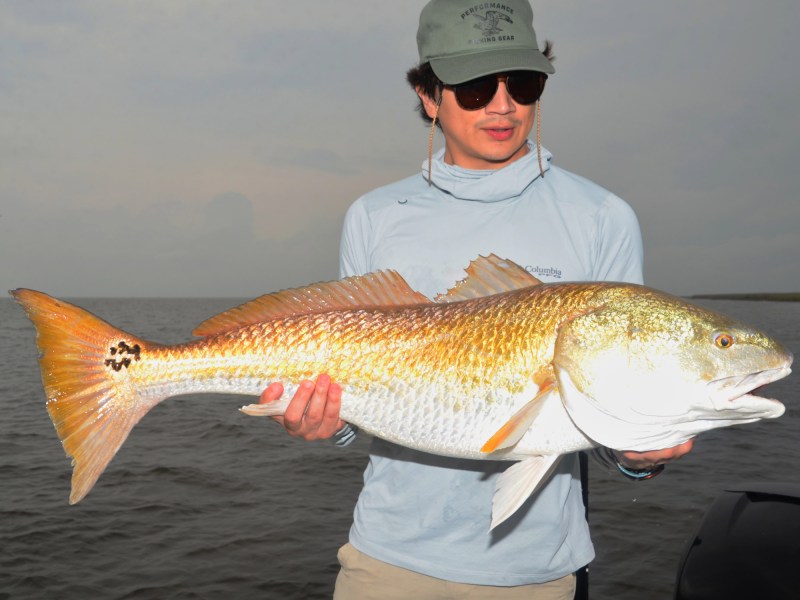
How to Catch Bull Reds and Giant Drum at the Jetties
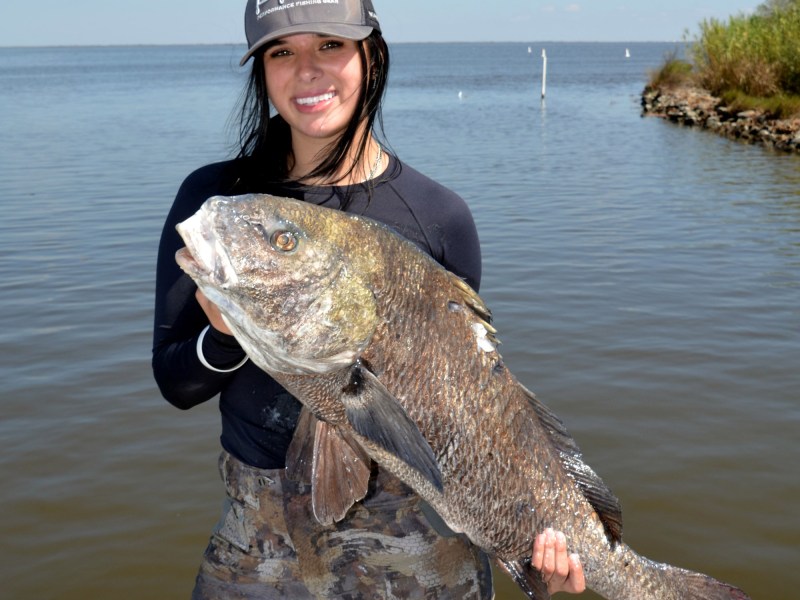
Catching bull reds and huge drum requires patience. Stick the rods in holders. Engage the clickers and wait. Croakers, pinfish or catfish might pick at the meat, but when a bull red or an enormous black drum gulps down a bait, everyone will know.
Don’t set the hook immediately. Wait until the fish moves off with the bait. With circle hooks, simply begin reeling after feeling the fish on the line.
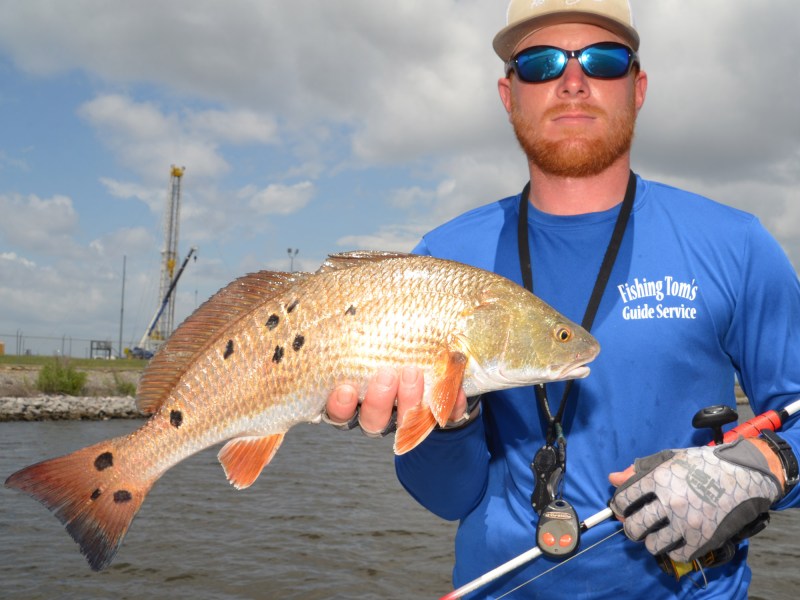
“Drum are an underappreciated species,” said Tom Adams with Fishing Tom Guide Service in Lake Charles, Louisiana. “We catch many big drum around the Calcasieu Pass jetties. The biggest drum like the deeper water near the jetty tips.”
Sheepshead Fishing the Jetties
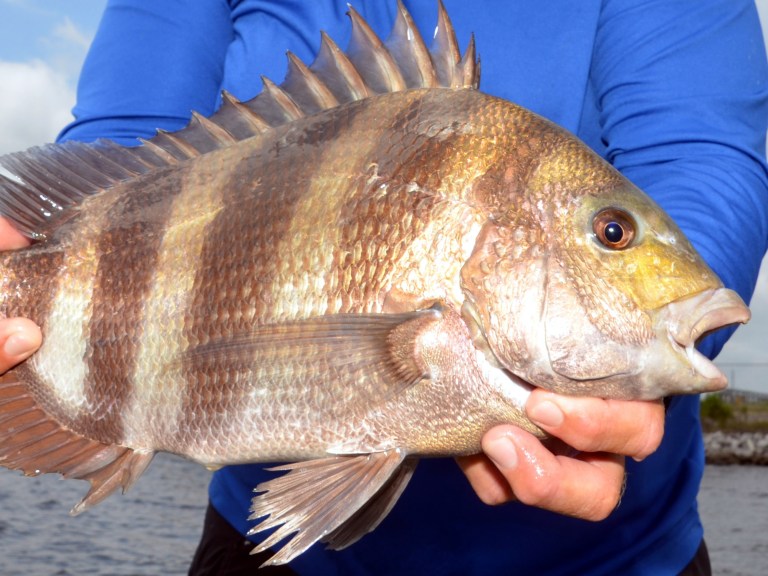
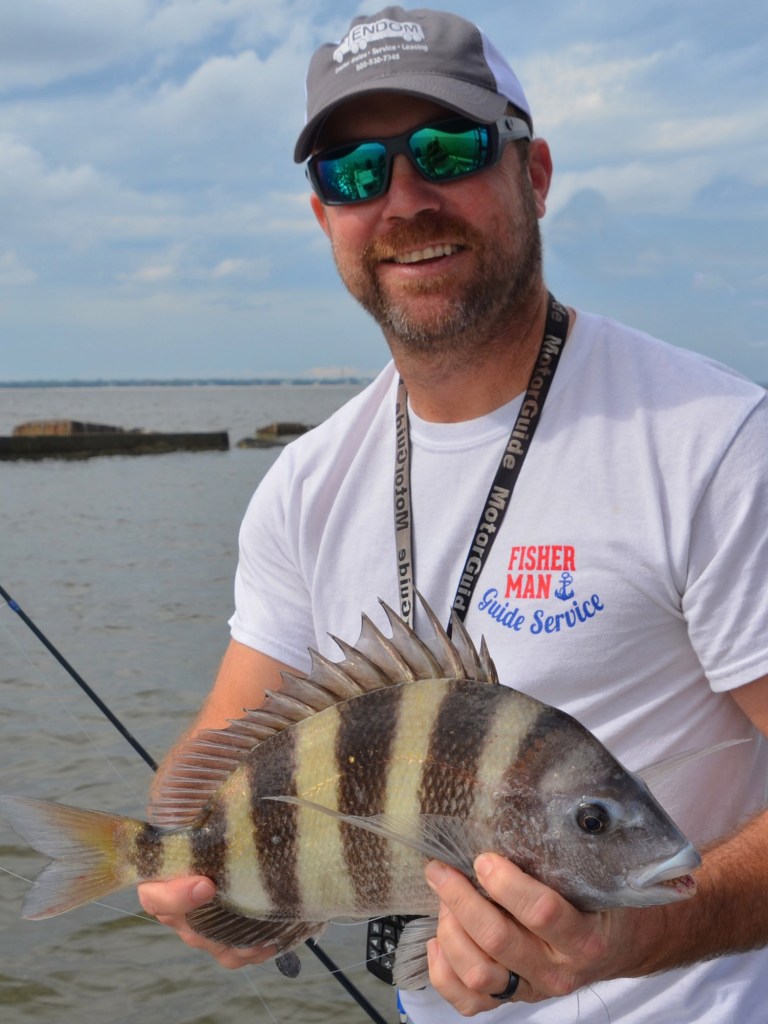
Sheepshead love barnacles, smashing them with strong teeth set in powerful jaws. Any barnacle-encrusted hard structures should hold sheepshead. These abundant, easy-to-catch and powerful fighters deliver exceptional sport. They make outstanding targets for young or novice anglers to fight big, powerful fish for little cost.
Besides barnacles, sheepshead particularly love crunching live shrimp and crabs. They also eat clams, squid, live minnows and other morsels, but prefer crustaceans. Some people call fiddler crabs “sheepshead candy.” Put the baits as close to the structures as possible.
Even the largest sheepshead frequently just nibbles a bait. Almost timidly, it might examine a morsel before using its human-like teeth to snip the bait right behind the hook. Frequently, an angler might not even detect the strike.
“When we’re fishing for sheepshead, we rerig a lot because they are notorious for hanging around the roughest structure,” Schindler said. “Anyone fishing in a good sheepshead spot will lose some tackle.”
Read Next: Jetty Fishing Tips
Best Jetties for Fishing on the Gulf Coast
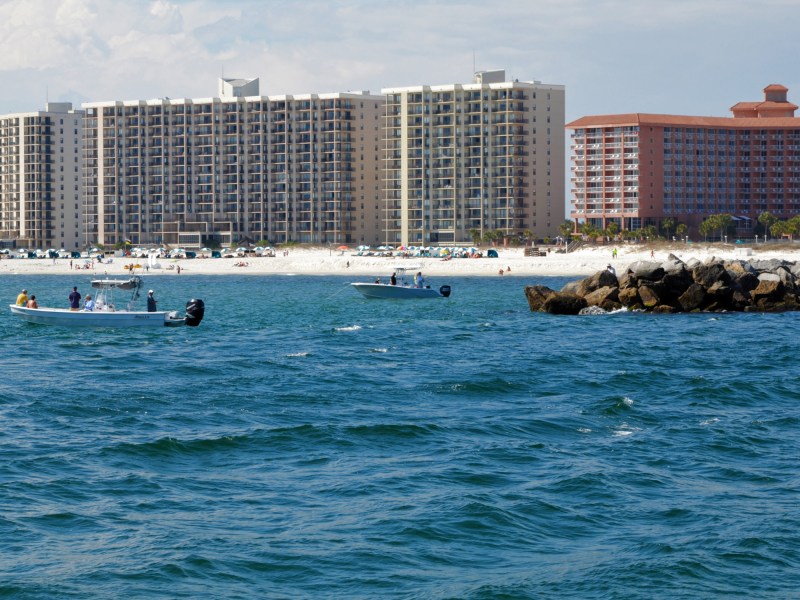
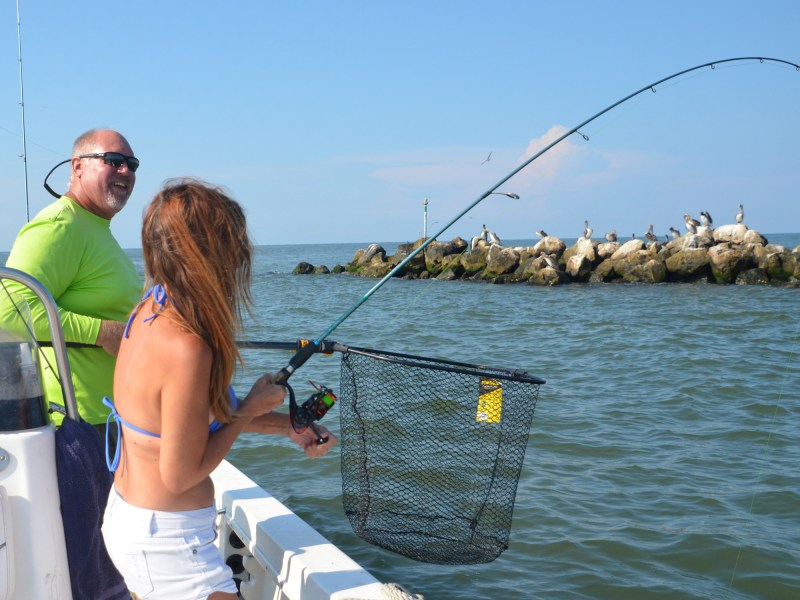
Practically all jetties offer great fishing at times, but a few along the Gulf Coast stand out. From Texas to Florida, the passes that offer access to the open Gulf are often lined with rock jetties that consolidate feeding game fish.
Galveston Bay Jetties
Among the oldest and longest on the Gulf Coast, the Galveston Bay jetties in Texas date to 1874. The south jetty runs 6.5 miles and the north jetty about 5 miles, offering tons of habitat for game fish and the critters they feed on.
Sabine Pass and Calcasieu Jetties
Sabine Pass forms the lower Louisiana-Texas border south of Port Arthur, Texas. The pass connects the Sabine Lake estuary to the Gulf. Just to the east, Calcasieu Pass connects the Calcasieu Estuary to the Gulf south of Lake Charles, La. Both areas can produce double-digit speckled trout, bull reds and other fish.
Venice, Louisiana Passes
The Mississippi River flows into the Gulf through several passes south of Venice, Louisiana. The most prominent along South Pass and Southwest Pass often provide great action for various inshore and nearshore species. Sometimes, anglers catch cobia, Spanish mackerel, bluefish, tripletail, tarpon and other species around these jetties.
Destin and Panama City Passes
Choctawhatchee Bay opens to the Gulf through Destin Pass, also called East Pass, in Destin, Florida. To the east, the St. Andrews Bay jetties mark St. Andrews Pass near Panama City, Florida. These rock structures attract trout, redfish, drum and sheepshead. People might also catch cobia or big jack crevalle.