Wind and weather are the first factors to consider when planning an offshore fishing trip. But even those two elements can be nuanced, and there’s so much more to timing a trip. Factors like the moon phase, barometric pressure, tide, and even the crew on board play a role in when and where you should go to find the best offshore bite.
A few years ago, I watched a group at the boat ramp cancel their trip after seeing a forecast calling for 4- to 6-foot seas. Meanwhile, another crew was loading ice, checking fuel levels, and preparing to run offshore. Neither group was necessarily right or wrong. They were simply looking at the forecast through different lenses.
One of the biggest misconceptions in offshore fishing is that good fishing and good weather are the same thing. Sometimes they overlap. Sometimes they don’t. I’ve spent most of my life fishing offshore and have run boats from northeast Florida to Louisiana and the Carolinas. Over the years, I’ve learned that picking a fishing day involves a lot more than opening a weather app and checking wave heights.
In fact, wave height isn’t even the first thing I look at.
Deep Dive into the Wind and Waves
Most anglers see a marine forecast and immediately focus on the biggest number they can find.
Four feet, 6 feet—whatever the forecast says becomes the deciding factor. The problem is wave height only tells part of the story. A 6-foot swell with plenty of distance between waves can be a surprisingly comfortable ride. On the other hand, a much smaller sea stacked close together can make for a miserable day. That’s why I pay as much attention to wave period as wave height. Years ago, I quit trying to judge conditions based on a single number. The ocean is more complicated than that.
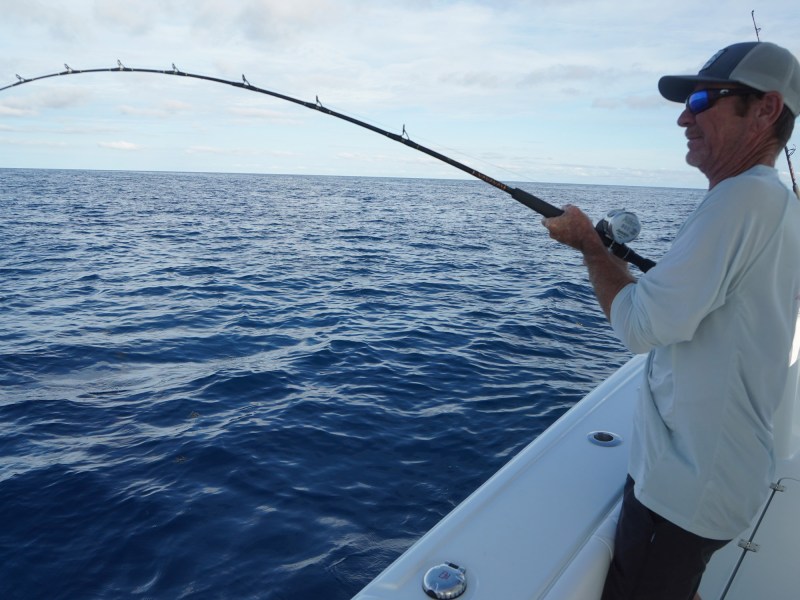
For many captains, though, the decision starts even earlier. Veteran offshore captain, Chris Shultz, spends as much time watching the wind forecast as anything else. In his fishery, where productive bottom grounds often require a 70-plus-mile run, weather becomes the biggest deciding factor in whether the trip happens at all. He checks the South Atlantic marine forecast multiple times a day and schedules trips around windows when winds are expected to stay below 15 knots from daylight until early afternoon. The fishing is usually good enough that if the crew can safely make the run, they’ll catch fish. The challenge is making that run comfortably and safely.
Barometric Pressure and Offshore Fishing
If there’s one thing I wish more offshore fishermen paid attention to, it’s barometric pressure. Ask a group of anglers about an upcoming trip, and most of the conversation revolves around wind forecasts. Rarely does anybody bring up pressure trends.
That’s a mistake, especially for anglers targeting bottom species like snapper and grouper.
I’ve seen too many trips when pressure seemed to influence the bite to completely ignore it. Is it the only factor? Of course not. But after enough years on the water, you start noticing patterns. Pressure is one of them.
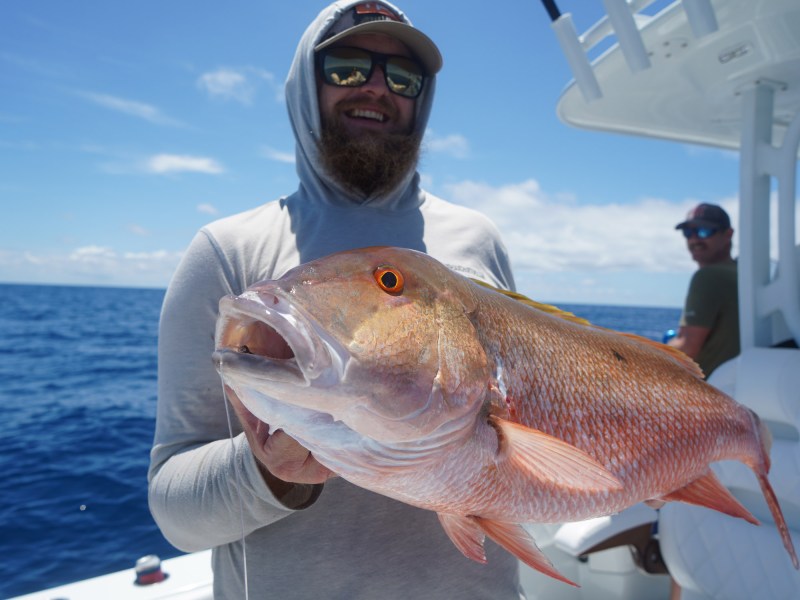
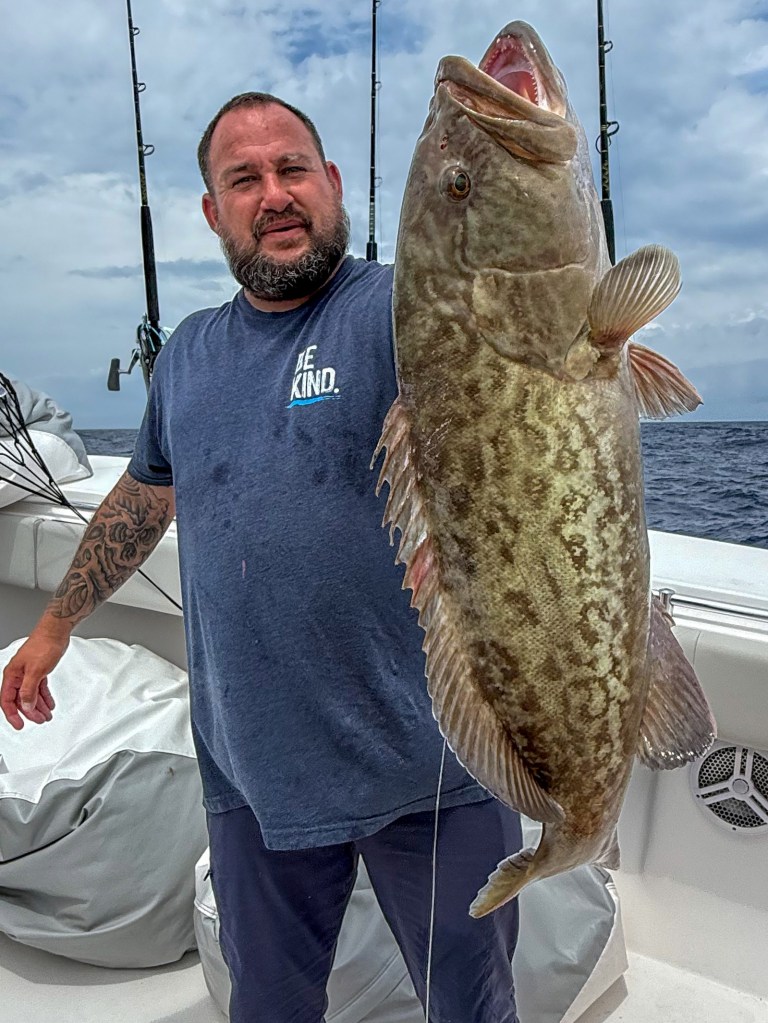
A few weeks ago, we got to see this play out firsthand. The bite was slow all morning, with pressure holding above 30.4 after a line of storms moved through overnight. As fate would have it, the moment the pressure started falling, we started putting fish in the boat. A few scamps and a stud mutton snapper came over the rail after we spent most of the day catching little more than vermilion snapper and jacks. Was the dropping pressure solely responsible? Nobody can say for certain, but experiences like that are hard to ignore.
Moon And Tides Affect Fishing
Every fisherman has theories about the moon. Some swear by it. Others dismiss it entirely. I fall somewhere in the middle.
When I’m planning a bottom-fishing trip, I still pay close attention to the full and new moons. If I have the option, I especially like fishing a few days before or after the full moon. Offshore angler Adam Jeffrey shares that same philosophy, saying that if he’s picking a day dedicated to bottom fishing, he’ll take just about anything around the full moon.
Chris Shultz also builds his schedule around moon phases, preferring to fish near the new moon or on the front side of the full moon when conditions line up. Stronger tidal movement generally creates more current around reefs, ledges and wrecks, and more current often means more activity.
For Shultz, ideal conditions this time of year include roughly 1 to 1.5 knots of current in 125 to 200 feet of water, a mid-day falling tide, about a 10-knot south wind, and the right moon phase. Does it always happen? Of course not. Offshore fishing rarely gives you perfect conditions. But when several of those variables line up, confidence certainly goes up.
Follow Changing Conditions
One of the worst mistakes I’ve made offshore was becoming too confident in a long-range forecast. These days, I still start watching conditions around 10 days out, but I treat those early forecasts as rough guidance.
The closer a trip gets, the more frequently I’m checking conditions. Weather models change constantly, and anybody who spends enough time offshore eventually learns that lesson.
Understanding the forecast also means understanding your boat. The direction you run can make all the difference on a long offshore trip. Shultz says he may want to fish southeast of the inlet, but if a stiff southwest breeze lingered overnight and is still blowing at daylight, he’ll often change plans and run northeast instead. The fish may not have been his first choice, but keeping the ride comfortable for the crew is often the smarter decision.
Plan For the Fishing Crew
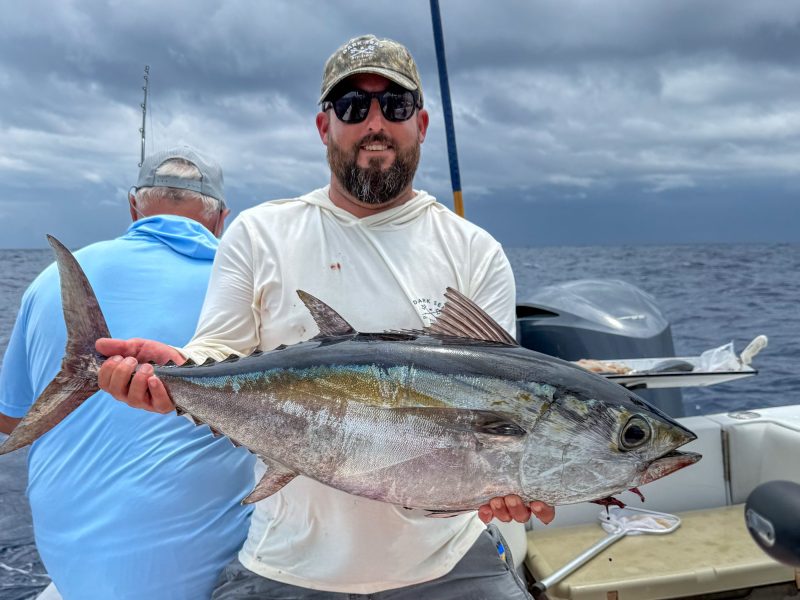
The same forecast can mean two completely different things depending on who’s on the boat.
I’ve fished through conditions that many anglers would consider rough. At the same time, I’ve also canceled trips because I didn’t feel the conditions matched the experience level of the crew.
That’s something forecast apps can’t tell you. Knowing your limits—and the limits of the people fishing with you—is every bit as important as understanding the weather. Always have a backup plan.
Offshore Planning is More than Just Weather
The longer I fish offshore, the less I think about finding a perfect forecast. Instead, I try to stack as many favorable variables together as possible.
Good pressure, a moon phase I like, moving water, a reasonable forecast, a crew capable of handling the conditions—all of these enter the equation. Sometimes that also means adjusting the destination based on the wind direction or passing on a day that looks fishable on paper but doesn’t make sense for the crew or the boat.
Sometimes all those pieces come together. Sometimes they don’t. That’s offshore fishing.
The anglers who consistently catch fish aren’t necessarily the ones waiting for bluebird skies and flat seas. More often, they’re the ones who understand how all the pieces fit together, know how their boat handles different conditions, and recognize when the variables favor the fish they’re chasing.