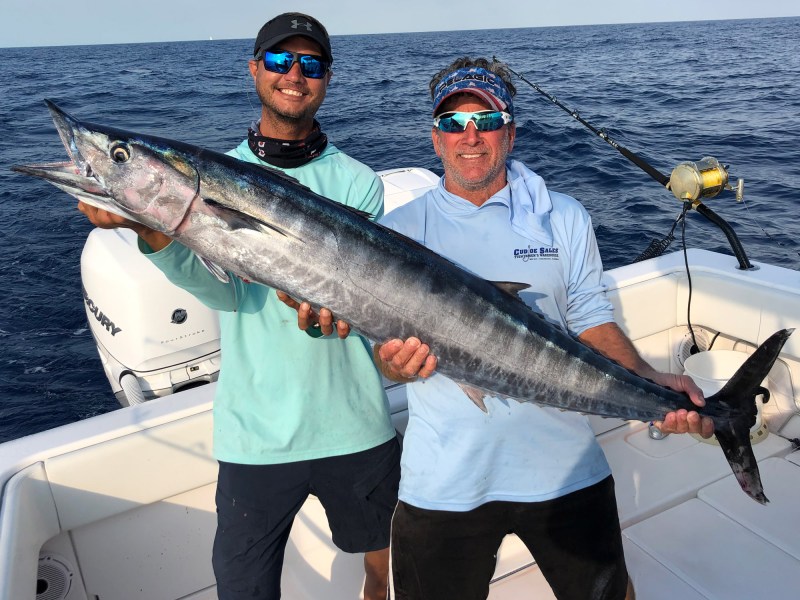
A successful offshore fishing trip requires a prudent game plan that considers multiple variables and includes a well-planned readiness. If you think fishing offshore is nothing more than blasting out of the inlet, running for an hour or so into deep blue, dropping the anchor and hauling in limits of deep-water favorites, you’re probably going to burn a lot of fuel with little to show.
Keep the following “Dos and Don’ts” in mind, and your offshore fishing days will be far more rewarding.
Do Plan for Safety and Comfort Offshore
Along with sharp hooks, freshly spooled reels and plenty of water, a good day of offshore fishing also requires an awareness of what conditions the day will bring. When planning the direction, range and timing of an offshore trip, basing decisions on meteorological details helps ensure a secure and enjoyable outing.
“NOAA Marine Forecast is first,” said Capt. Kevin Farner, who runs out of St. Petersburg, Fla. “I always use the offshore forecast 20-60 miles, then Windy (Windy.app) and all the radar apps. Storm Radar is my go-to for that.
“I also check the buoys for live wave height and future cast on the radar for afternoon storms. That way we are back before or after the storms in the summer.”
Also, filing a float plan—a formal effort like the template found at floatplancentral.cgaux.org, or an informal text/email to a responsible individual—is a good idea. Include launch port, intended route, departure/expected return times and vessel description.
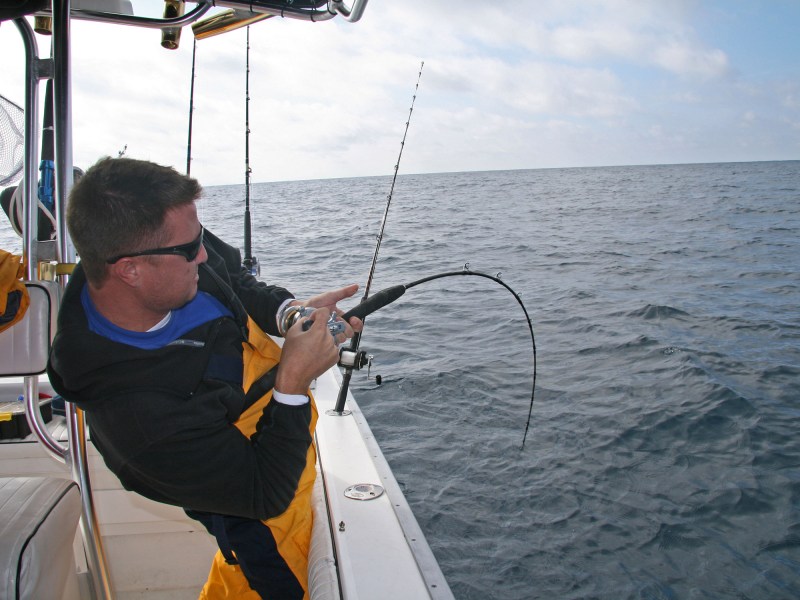
Don’t Limit Yourself to Certain Baits and Tactics
The best offshore trips are the ones where your bait arsenal has more diversity than your lunch bag. Sometimes, the bottom fish show a strong preference for a particular offering, but more often than not, it takes multiple baits to fill the cooler.
For dead baits, several flats of Spanish sardines and the larger northern mackerel is pretty standard, but add some squid for good measure. Not only does a mix of smelly offerings help jumpstart the bite by “chumming” the site, but small cuts of squid on a double dropper rig helps diversify the day’s catch with triggerfish, grunts, porgies, and yellowtail snapper.
Also, keep a selection of artificials handy for a more active approach. Large plugs like the Magnum Rapala and Yo-Zuri Bonita, cedar plugs, spoons and big swimmers offer an option to troll into your target and pick off a bonus pelagic patrolling the perimeter.
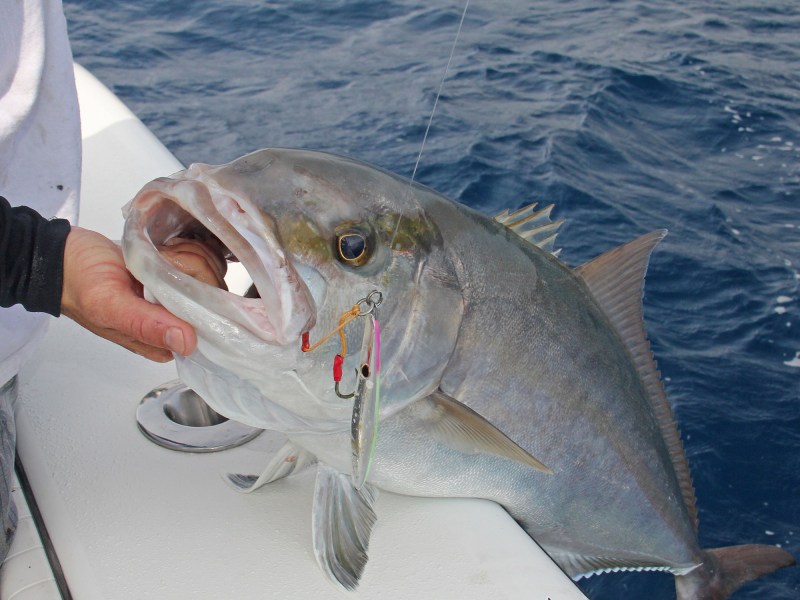
Over wrecks and reefs, or the legs of a drilling rig, fire down a blade jig and retrieve it with erratic jerks that look like you’re trying to rip the paint off the metal. No self-respecting predator can resist the struggling baitfish ruse and the list of possibles includes amberjack, blackfin tuna, snapper, scamp, and snowy grouper.
Anglers targeting blackfin tuna around drilling platforms know the thrilling potential of working a big popper or a subsurface swimmer across the waves. When the footballs are leaping and breaking on flying fish, blue runners, etc., peppering the area with long casts and aggressive retrieves often earns explosive strikes and reel-sizzling runs.
And even if you’re not targeting billfish, packing a basic selection of chuggers, jet heads, or Ilanders (with ballyhoo) and maybe a teaser might deliver a day-making bonus.
Do Fish a Flat Line While Bottomfishing
Land on the right piece of bottom, and you can stay busy for hours. However, while everyone’s focused on what’s below, there’s often a lot of opportunity swimming just out of sight. Kingfish, wahoo, tuna, cobia — all are likely targets, and all are susceptible to a live bait flat-lined behind the boat.
Space the flat-line rod as far from the bottomfishing anglers as possible — an elevated rod holder is best — and set the clicker so you’re quick to respond. Use a wire leader to handle the toothy species and, as Farner notes, vary your presentations.
If a flat-lined blue runner or cigar minnow wants to dive deep, they might tempt a big snapper or grouper to walk upstairs, but this also risks tangling the bottomfishing lines. Adding a balloon or a chunk of Styrofoam to the line keeps the bait up.
On the other hand, when slick, sunny conditions find the fish reluctant to rise on a baitfish that holds near the surface, Farner lip hooks his bait on a light ball head jig, which pulls the presentation into the water column enough to attract more interest.
Don’t Overlook Local Bait Options
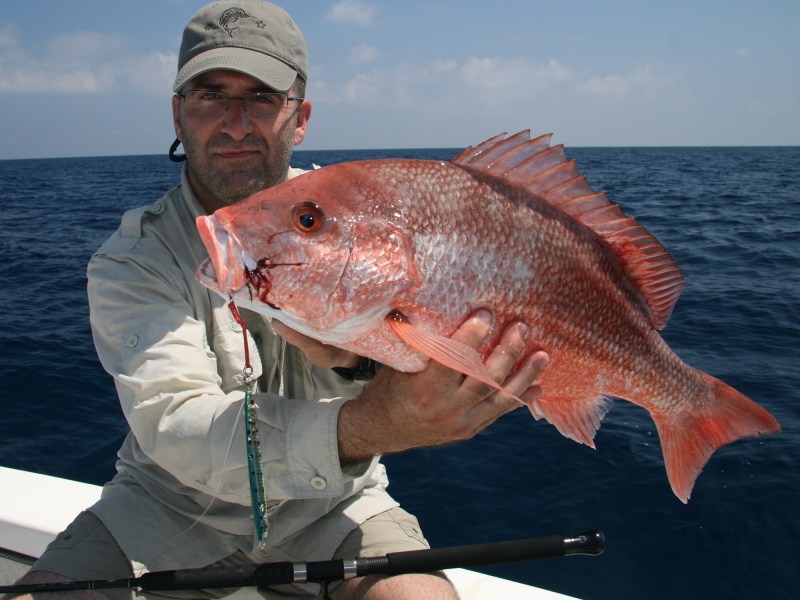
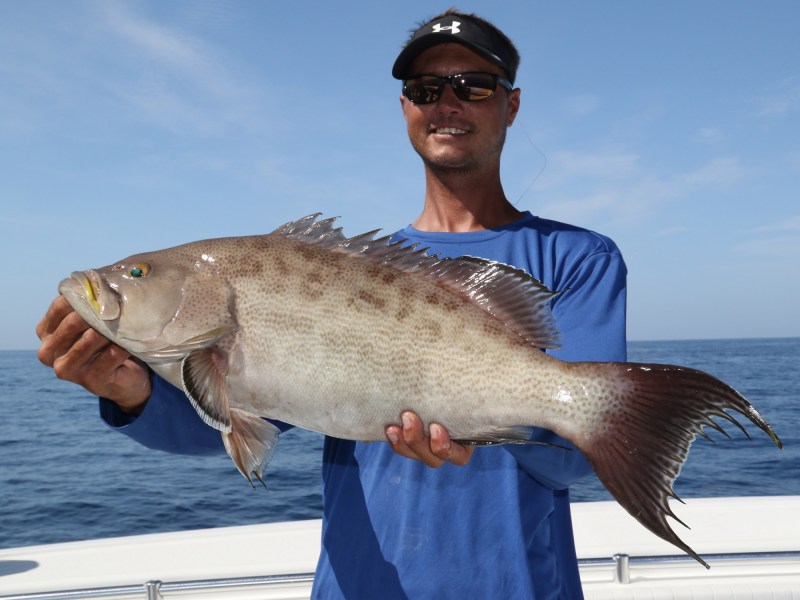
Visit the bait shop, sling the cast net and work the sabikis. These are definitely the right moves before heading offshore, but even with an ample supply, you’ll also find several onsite bonus opportunities. For starters, those reef rats—grunts, vermillion snapper and blue runners—clearly represent local big-fish forage, so send them back into action with a big hook and they’ll often turn into a fat grouper or jumbo snapper.
Consider butterflying these baits for maximum scent or using them as fresh bait strips. The same goes for the bonita that often intercept descending baits. That oily red meat on a bonita makes dandy chum chunks, while a belly strip will quickly find a taker.
Also, a sabiki rig is your best friend when it comes to capitalizing on any offshore bait schools you encounter. Whether it’s sardines stacked along rip line or a pile of bait holding over a wreck or reef, gather fresh bait whenever possible.
Do Stay Alert for Targets of Opportunity
You can’t stop every time you see a flying fish jump or a frigate bird circling, however, when storms wash wooden pallets, buckets, downed trees and other flotsam into the ocean, it doesn’t take long for baitfish to gather in the sheltering shadows. Pelagics are keen to check out these drifting snack shacks, so if it doesn’t take you too far off course, such sightings often make your effort worthwhile.
Case in point: During a 100-mile overnighter out of Johns Pass, Florida, we came across a floating captain’s chair that was loaded with a mix of banded rudderfish, filefish, tripletail and baitfish. The dolphinfish we spotted were too spooky to play, but the amount of life clustered around a relatively small object was amazing.
Also, substantially formed weed lines are always worth a look. Watch closely for those electric blue flashes of feeding mahi, or the slender profile of wahoo or kingfish. Chum the spot with cut sardines and slip a live bait on a wire stinger rig into the shadows. If the bite’s on, the bait won’t last long.
Don’t Lose Count of Keeper Fish
When the bite’s hot and everyone’s bringing fish after fish over the gunwale, it’s easy to slip past a daily limit. Years ago, a salty offshore veteran told me he carries a few different varieties of dried beans in ziploc bags. Each variety represents a regulated species, so he tosses one bean overboard with every keeper. When the bag’s empty, all others get to swim another day.
Do Keep Pitch Baits Handy
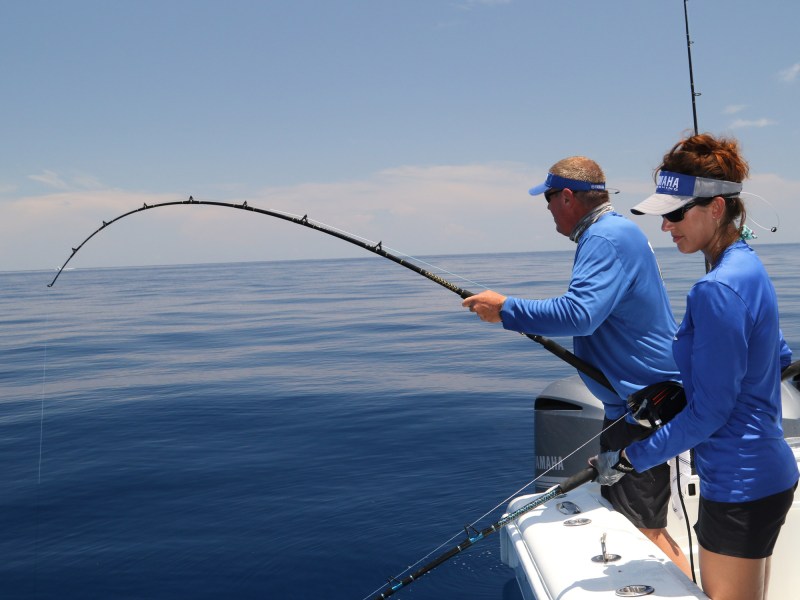
For flotsam and weed lines, keep a stash of weighted and unweighted ballyhoo on ice, as a quick shot to the right area might convince a sailfish, wahoo, tuna, or dolphin to make a mistake. Similarly, cobia that often rise to sniff around an anchored or motor-drifting boat are suckers for a live sardine tossed anywhere in their line of sight.
To that point, when a hooked cobia, amberjack or dolphin brings several pals past the boat, pitching a second bait toward the crowd is a good bet for the double header.
Don’t Park in One Spot Too Long
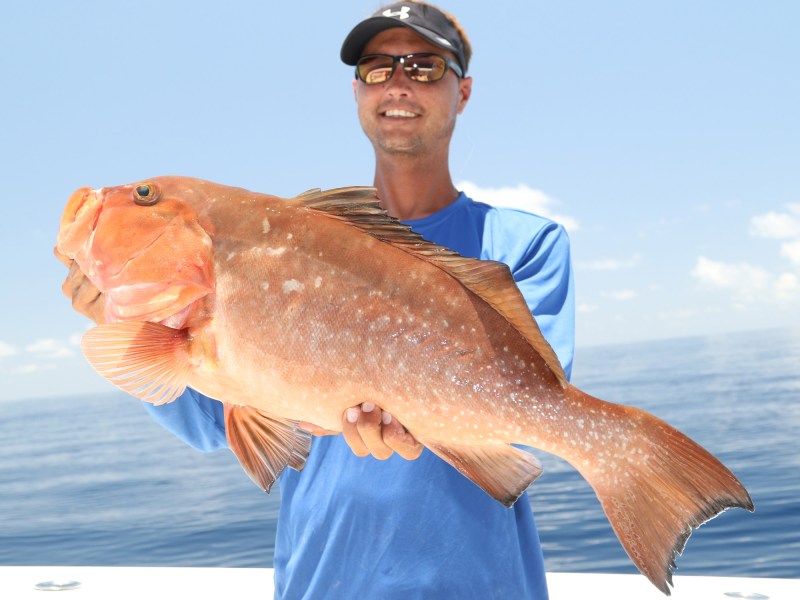
Bite windows do matter and patience is a virtue, but at some point, you gotta pull the plug on an unproductive spot. The site may have been hammered a day earlier, sharks could be doing what sharks do, or a lack of current may have the fish disinterested.
It’s one thing for a hot bite to cool on a spot where you’re still marking fish, but once you’ve gone through your bait rotation and tried the usual downsized tackle trick with no response, it’s time to try a new spot.
Some days, rational explanations seem defiantly elusive, but the chances of every fish contracting lockjaw are extremely slim, so stay mobile and find the ones that are ready to chew.