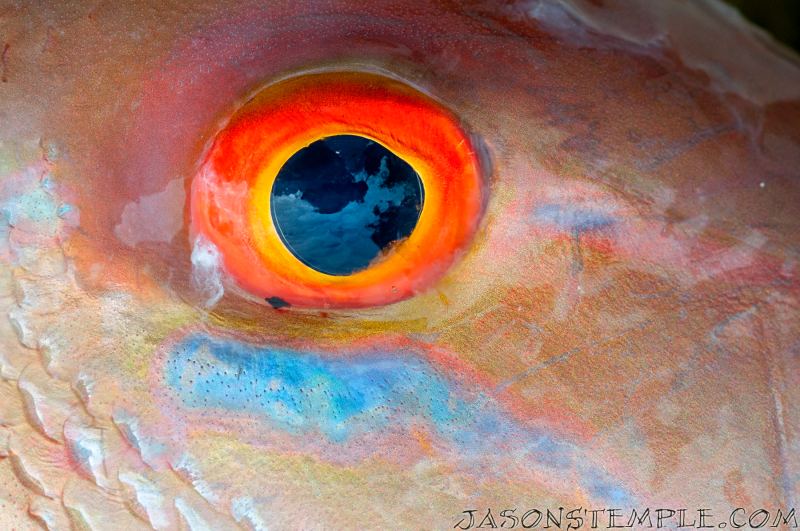
Every successful trip begins with a plan. Productive Bahamas crossings rarely come from simply running to a waypoint and dropping lines. Success begins long before departure by identifying primary objectives while preparing for inevitable changes that Mother Nature—and the fish—will throw at you.
Sometimes your target species is just not cooperating or changing weather conditions hamper your chances. Then there’s the endless predators that can ruin a spot or a day’s fishing. Being able to make quick adjustments and having alternatives often saves an otherwise non-productive day. Heading out with multi-purpose gear and backup strategies prepped and ready to execute can salvage a costly trip.
Seasonal weather can produce outstanding fishing around West End, Grand Bahama, but flexibility and preparation are every bit as important as favorable conditions.
On a recent passage, the crew had just completed a relatively uneventful Gulf Stream crossing from Jupiter, Florida to West End, Bahamas. We were planning on a three-night four-day trip bottom fishing the many ledges for various snapper.
Fishing Equipment Failure
Day one started off with a bang.
“Grab onto the rod handle and don’t let go,” someone said. The team had just hooked up on a nice bottom fish in 900 feet when the articulating butt mechanism on the electric deep-drop rig let loose. It was going to be a long trip to the surface, and it would take all hands on deck to keep the reel stable and doing its job.
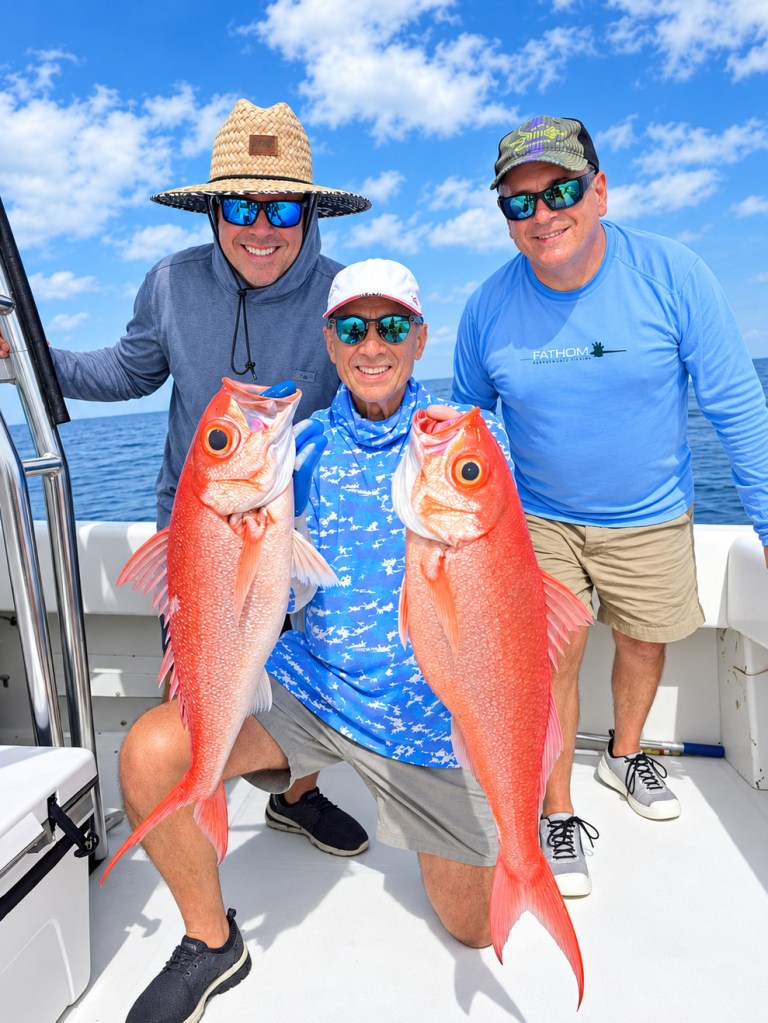
Five minutes later, a beautiful queen snapper hit the deck, but not without some undue gyrations. Having just purchased two essential pieces of equipment for the trip without proper field testing had set the stage for disaster. An adjustable bent-butt to allow transitioning the rod to various angles and a mid-sized electric reel going on the blink had us immediately in the hole on deep-drop rigs. We were down to only one functioning setup to target the deeper ledges. It was our first day on the water, and we were already forced to adjust.
Equipment failure is just one of the many gremlins that pop up on extended trips and force changes. Best laid plans go awry every time we conduct one of these crossings. Having alternatives for any situation can dramatically improve the odds of success.
Bahamian Snapper on the Ledges
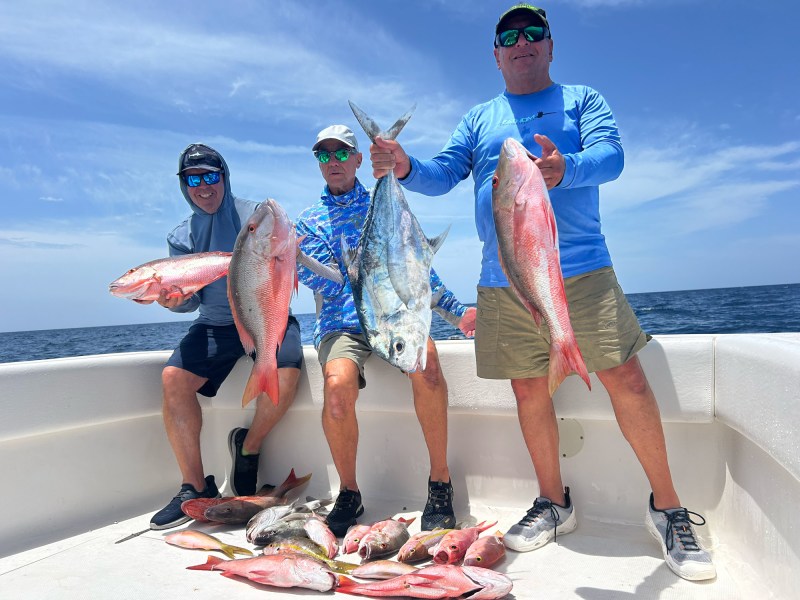
The objective was to fish ledges and hard bottom near the island for quality snapper species. Primary targets included yellowtail, mutton, yelloweye and queen snapper. We would start in tight and work our way out along the ledges.
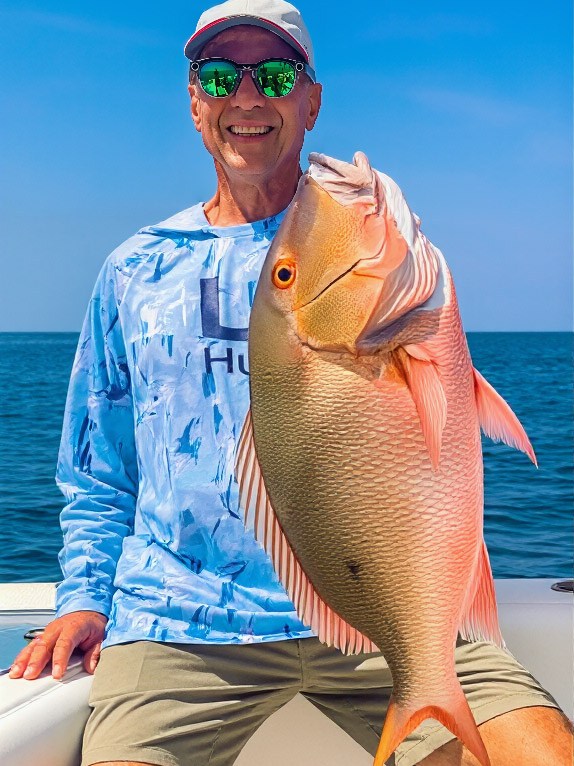
On the outgoing tide, we started fishing in about 70 feet of water. Our strategy centered around locating the isolated hard bottom to sandy transitions that snapper favor. The intent was to pay close attention to bait concentrations on the sonar while staying mobile until the bite was found. Having stocked up on fresh frozen goggle eyes proved to be a game changer. Within minutes, our first quality fish was flopping on the deck and heading for the cooler—a 12-pound mutton!
With our target species located, we quickly put several light-action spinning rods with ¼-ounce hair jigs in the game. All were tipped with fresh squid. It’s critical to capitalize on a bite immediately, as changing tides, current or predators can shut things down in a heartbeat.
By using multiple techniques and multiple baits, we determined the bite. Light jigs seemed to stay in the strike zone longer, and we put three more muttons in the box before the bite stalled.
Bahamas Nearshore Fishing Options
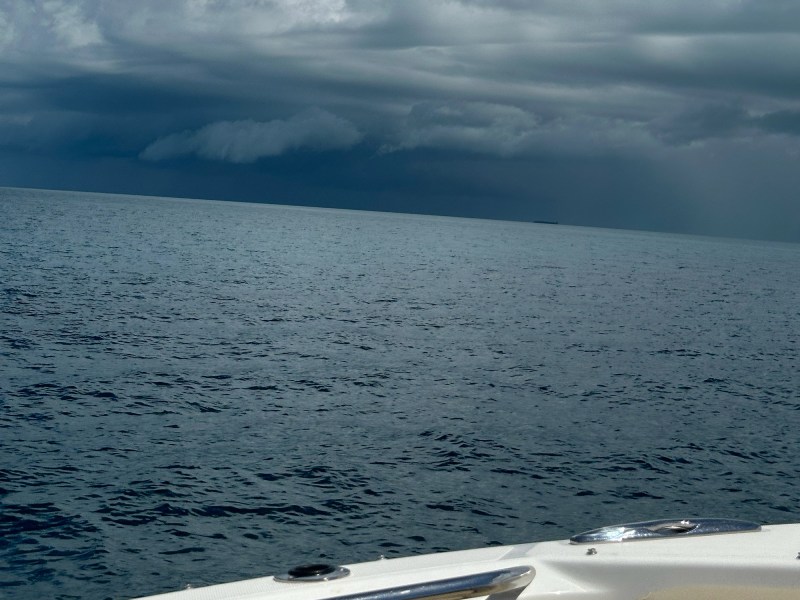
Once the snapper action slowed, we transitioned to alternate fisheries rather than waiting out an inactive bite. This meant moving out along the ledges until we settled on 800 to 1,000 feet based upon sonar activity. Within minutes the electric deep-drop rods were deployed, and a pair of nice queen snappers were on the deck along with a few yelloweye. The afternoon weather started kicking so we moved back nearshore to finish the day.
We opted to do controlled power drifts with someone dedicated to the wheel. Repositioning between drifts allowed us to cover different depths and areas until target species were located.
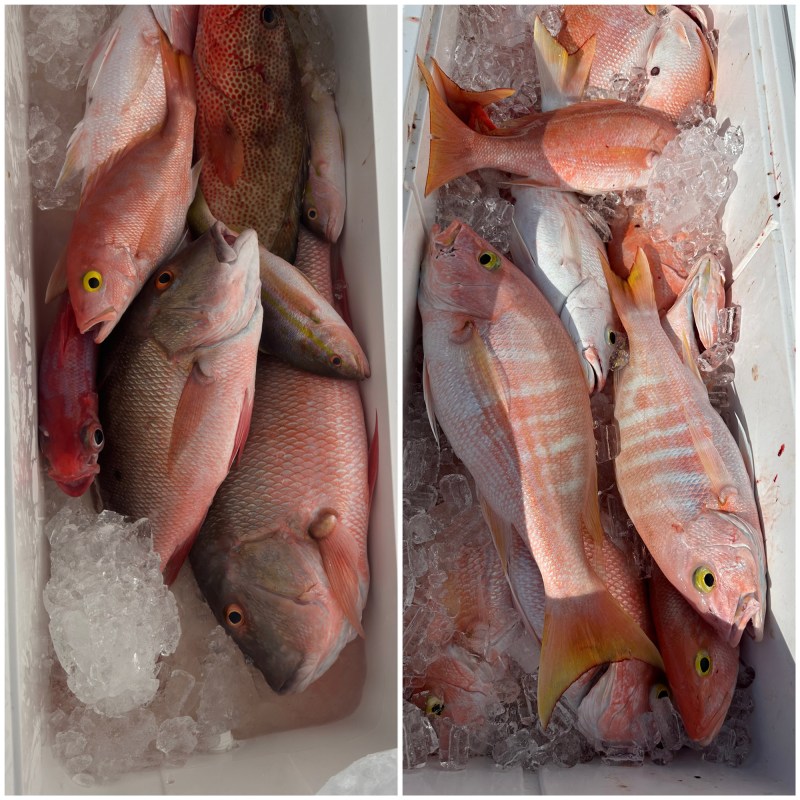
When your primary quarry is not cooperating, or other conditions force you to move, have some alternates in mind with equipment ready to go. We were able to put some great-tasting margate and wenchman in the cooler before heading in for a fresh fish dinner. This kind of flexibility with plans and equipment puts fish in the cooler.
Note: Know what’s in season and the regulations before crossing so you can capitalize on targets of opportunity if your primary target doesn’t cooperate.
Tips for Fishing Success in the Bahamas
West End offers tremendous diversity along its various ledges, including dramatic changes in depth, sometimes within a stone’s throw of each other. Productivity for each area will be impacted by current, water clarity and tidal changes. Changing weather conditions are also common to this area and can dramatically impact the best-laid plans. We ran into several of the possible scenarios that can hamper a trip and still came out successful.
Scenario One: Snapper Refuse to Bite
Perhaps the most common challenge for any target species is capitalizing on the bite. Possible adjustments to a slow start include:
- Fishing isolated structure.
- Changing depth and adjusting to current.
- Changing sinker weight. Downsizing and lengthening leaders.
- Switching bait.
- Fishing dawn or dusk windows.
With no improvement, move to an entirely different target species.
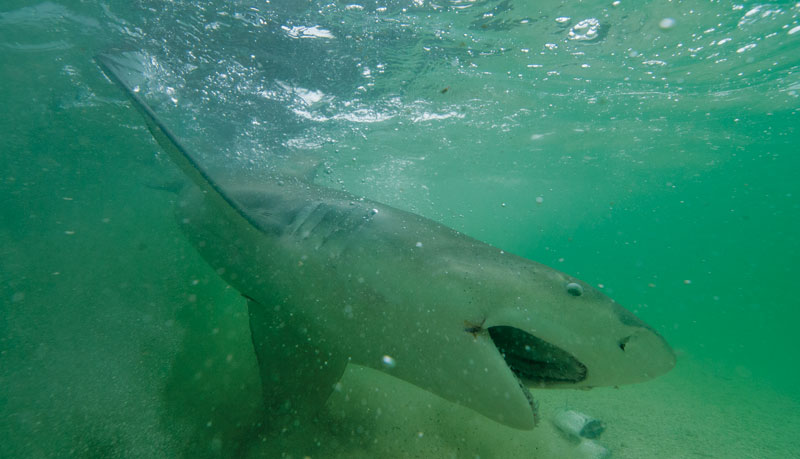
Scenario Two: Predators Become Constant Visitors
One shark or barracuda can quickly shut down a productive spot. When this happens:
- Leave immediately rather than donating fish. Rotate through multiple numbers instead of camping on one location.
- Shorten fight times using heavier gear. Retrieve hooked fish aggressively.
- Avoid chumming when predators are active.
Scenario Three: Summer Storms Push You Away
Afternoon squalls often dictate the day’s finish. Backup plans include:
- Heading for protected reef fishing.
- Trolling protected edges.
- Exploring lee-side structure.
Always gear up and scout the maps for several protected options before leaving the dock.
Scenario Four: Current or Tide Kills the Bite
Current and tide are key triggers for aggressive feeding. Watch for:
- Slack or excessive current.
- Dirty water.
- Temperature breaks.
- Bait movement based on current and tide.
When conditions are unfavorable, move north or south until cleaner water is found. Wait for current changes or return later during a different tide phase.
Organize the Boat Before Leaving the Dock
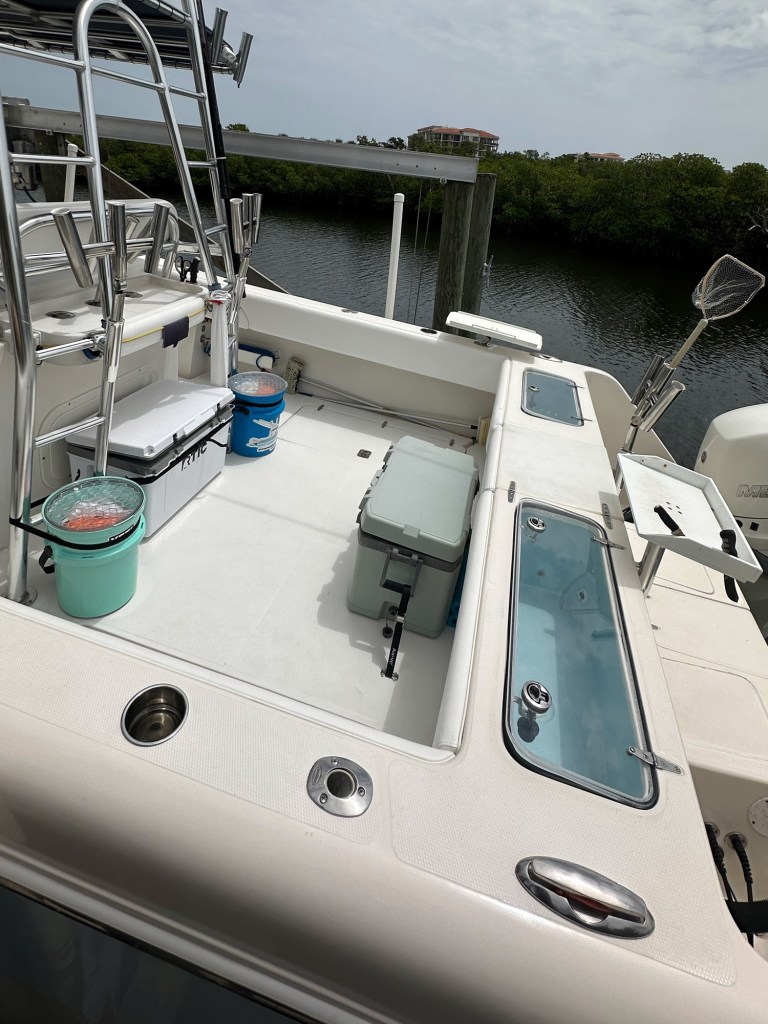
An organized boat is the unsung hero and allows the crew to react quickly and fish efficiently. Assign designated storage locations for:
- Deep-drop equipment, trolling and bottom fishing tackle along with rods and reels.
- Gaffs, landing nets and safety equipment.
- Dedicated bucket for trash as well as a cleanup bucket including brushes and soapy water.
When every crew member knows where equipment is stored, transitions become faster, safer, and far less stressful.
Keys to Success on a Bahamas Crossing
The most productive Bahamas crews are rarely the ones with the most numbers in the GPS; they’re the ones who adapt the fastest. A productive ledge one day can be lifeless the next. Currents shift, storms develop, sharks move in, and bait relocates. The crews that consistently catch fish are those with multiple plans and the discipline to recognize when it’s time to change tactics.
The goal isn’t to force the original plan to work. It’s to maximize every opportunity conditions provide. That means treating every fishing day as a series of informed decisions rather than a fixed itinerary.
Having alternate plans that can address challenges as they unfold is the key between a cooler full of edibles and going home empty handed. Tested equipment, versatile rod-and-reel combinations, and backup gear already rigged allows you to capitalize on those unexpected opportunities instead of watching them disappear while searching through tackle.
In offshore fishing, success often belongs to the crew that can adapt the fastest, and that adaptability begins long before the boat leaves the dock.