Fishing pliers come in many styles to suit the preferences of any angler. Long nose, short nose, all-purpose, compact, steel, aluminum or titanium, with all the options it can be tough to home in on the best pliers for the way you fish.
How to Choose a Pair of Fishing Pliers
To start your search for the perfect pliers, break the choices into two categories: multifunction models and needle-nose pliers. Multifunction pliers combine multiple features like crimpers, knot pullers, cutters, sharpeners, and tips designed to manipulate split rings paired with their jaws. Do-it-all pliers are great for travel, kayak-fishing and surf-fishing, when it isn’t convenient to carry a variety of tools.
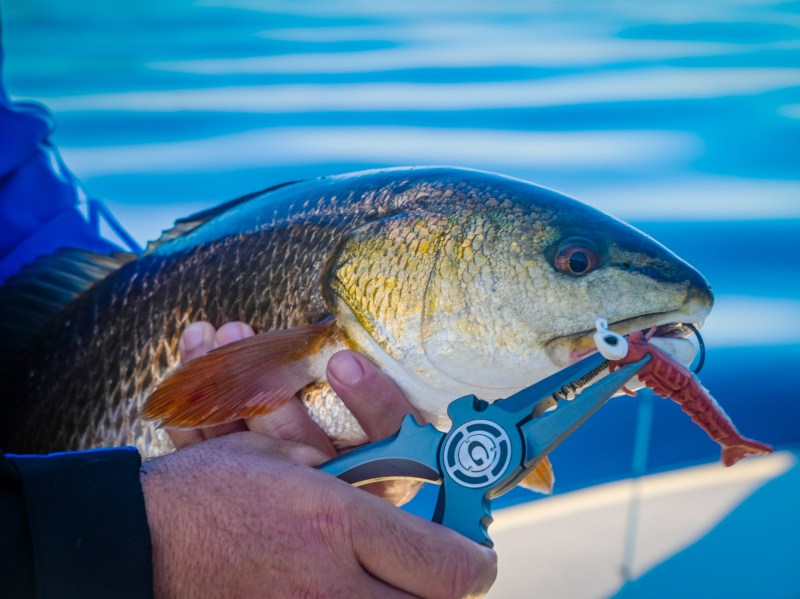
But a set of needle-nose fishing pliers with line clippers are usually the best choice for anglers looking for a reliable tool to unhook toothy fish, crush a hook barb, cut line, cinch knots and a hundred other jobs. These pliers usually reside in a convenient sheath that hangs from your belt so they are always in reach.
Whether you choose a pair of simple pliers or do-it-all makes, there is still an overwhelming number of choices. Shopping for pliers at my local tackle shop produced a price list from less than $20 to over $300. Most of the price discrepancy is due to materials and construction.
What’s the Best Material for Fishing Pliers?
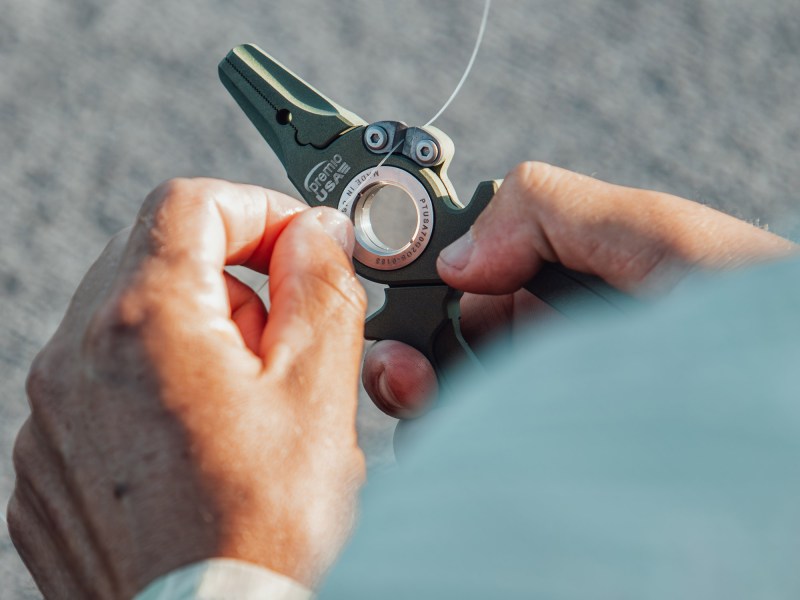
The best material for fishing pliers depends on individual needs and preferences, as well as your budget. Titanium and aluminum offer lightweight rigidity and durability, while steel is a heavier but more cost-conscious option. Some brands use a variety of materials to combine the benefits of each.
Titanium
Some of the most durable fishing pliers are forged out of solid titanium. Theis Frederik, at Van Staal, explains, “Titanium is really hard to forge because it has low elasticity and a high melting point, so it requires skill, technology and a lot of heat to manufacture.”
Van Staal’s 7in and 6in Titanium Pliers are inherently corrosion-proof pliers that are stiff, light and strong. Anglers who require bulletproof reliability out of their gear appreciate the durability of a set of titanium pliers.
Aluminum
The next option is aluminum. The best aluminum pliers are machined out of a chunk of 6061 T-6 aircraft aluminum. Proper construction of aluminum pliers is the key to their performance.
Like wood, aluminum has a grain. Knowing how to machine each part of a pair of pliers takes advantage of this grain and the inherent strength of the material, but it requires experience and precision engineering.
Machined aluminum pliers, like Accurate’s 7-Inch Piranha Pliers, use replaceable clipper blades and jaws made of high-carbon steel. Steel is easier to sharpen and provides better grip than aluminum, because it’s a softer metal. But steel also rusts and dulls, which requires occasional maintenance and replacement. Some pliers use steel in the jaws and lighter, more rigid aluminum in the handles.
But not all aluminum pliers are created equal. Die-cast aluminum is melted and shot into a mold. The process is faster and less expensive, but not as strong or corrosion-resistant as machined aluminum. To create a barrier on the surface of the metal, die-cast pliers are anodized through electrolysis. The process protects the tool, and the bright colors and matte textures look cool.
Steel
If you use your pliers as a hammer, pry bar and ice chipper, then stainless-steel pliers are the tool for you. Steel is the least corrosion-resistant of these options, as even stainless steel will corrode in salt water, but it is tough and inexpensive. To fight oxidation, the steel is covered with a corrosion-resistant ceramic coating that helps prevent rust.
Features of Fishing Pliers
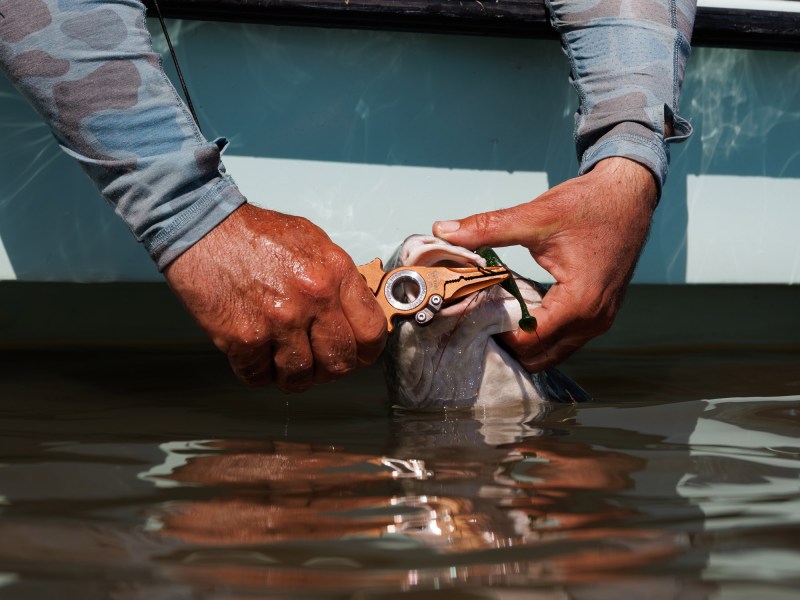
The biggest trends in new fishing pliers are in design and construction. Features that used to be found only on expensive pliers are trickling down to less-pricey models. Replaceable cutters to cut braid, fluorocarbon and mono are now a standard feature on most pliers.
Meanwhile, top-of-the-line pliers continue to push the envelope of modern technology. Danco’s Premio AI 6.5-inch Titanium Pliers were designed by a supercomputer to be five times stronger than other titanium pliers and weigh only 3 ounces.
The weak point on all pliers is the spring-loaded hinge where the jaws meet the handles. To solve the problem, the best fishing pliers protect this vulnerable area from moisture, grit and salt.
Bubba’s 8.5-inch Stainless Steel Fishing Pliers have a shielded spring. Bubba’s Trent Rodgers says, “The hidden spring-loaded concept makes our pliers very easy to use without risk of an external spring being exposed to the elements and getting hung up.”
To improve grip and ergonomics, some pliers have rubber-coated handles, angled jaws or molded grips. Bubba gave its fishing pliers the same oversized handle material as its popular fillet knives. Rodgers says the variety of shapes and sizes “offers some level of customization.” That means you can test out a dozen different handle-and-jaw configurations to find a pair of pliers that fit your hand like a glove.
New Fishing Pliers
Here’s a quick look at several new fishing pliers on the market. Take a look to find the right fishing pliers for the way you fish.
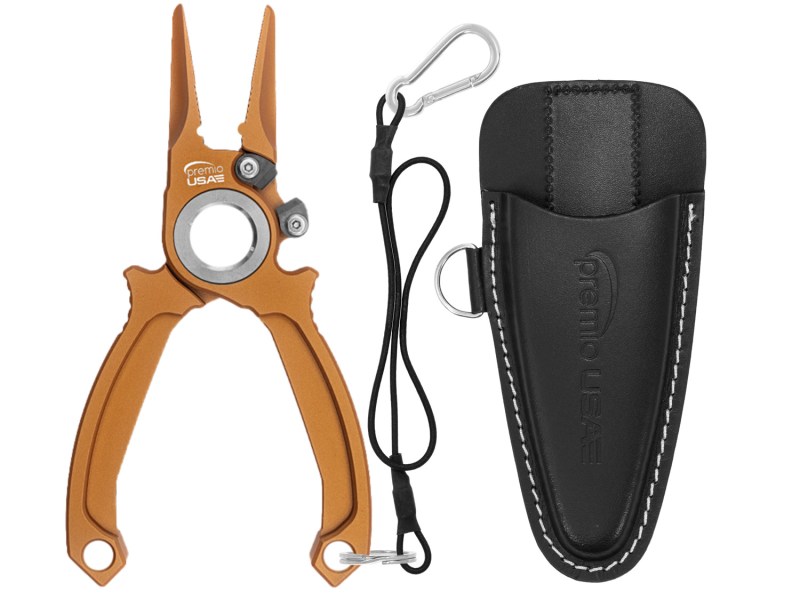
Danco Premio Gen 2
There are a lot of reasons to invest in titanium pliers. Now, Danco’s Premio Gen 2 pliers offer another reason to go titanium. Starting with bar-stock titanium, Premio Gen 2 pliers are now coated with a ceramic polymer that further prevents corrosion and wear to keep the pliers looking new for decades. Danco’s pro staff contributed to the design, creating comfortable, balanced shape that feels like an extension of your hand.
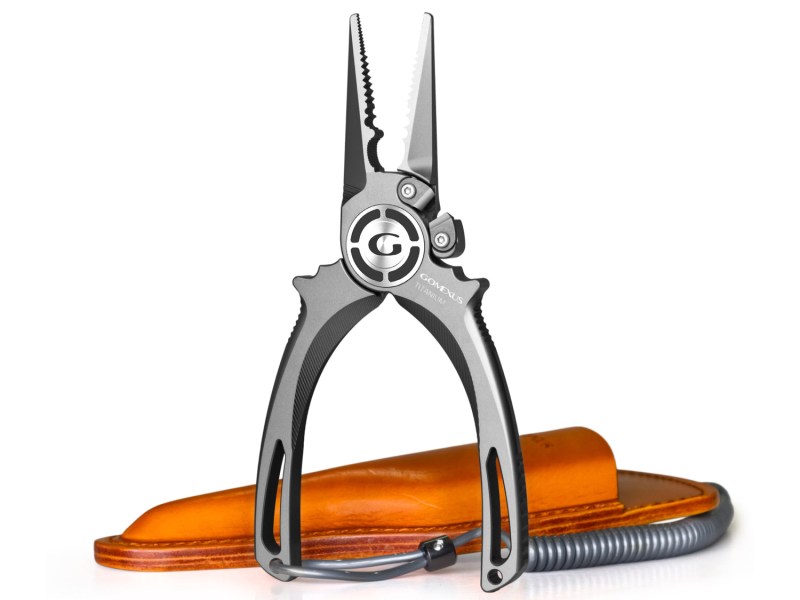
Gomexus X Series
I first saw the Gomexus X Series titanium fishing pliers on my friend Rob English’s kayak. The compact, lightweight pliers caught my eye, and the price tag really got my attention. The X Series pliers are 100-percent titanium with titanium hardware at half the price of similar pliers. The X-Series pliers are lightweight but capable of 1,000 pounds of pressure with a solid titanium shaft that produces even pressure without twisting. A small, thin body makes the X Series perfect for smaller hands and tight work.
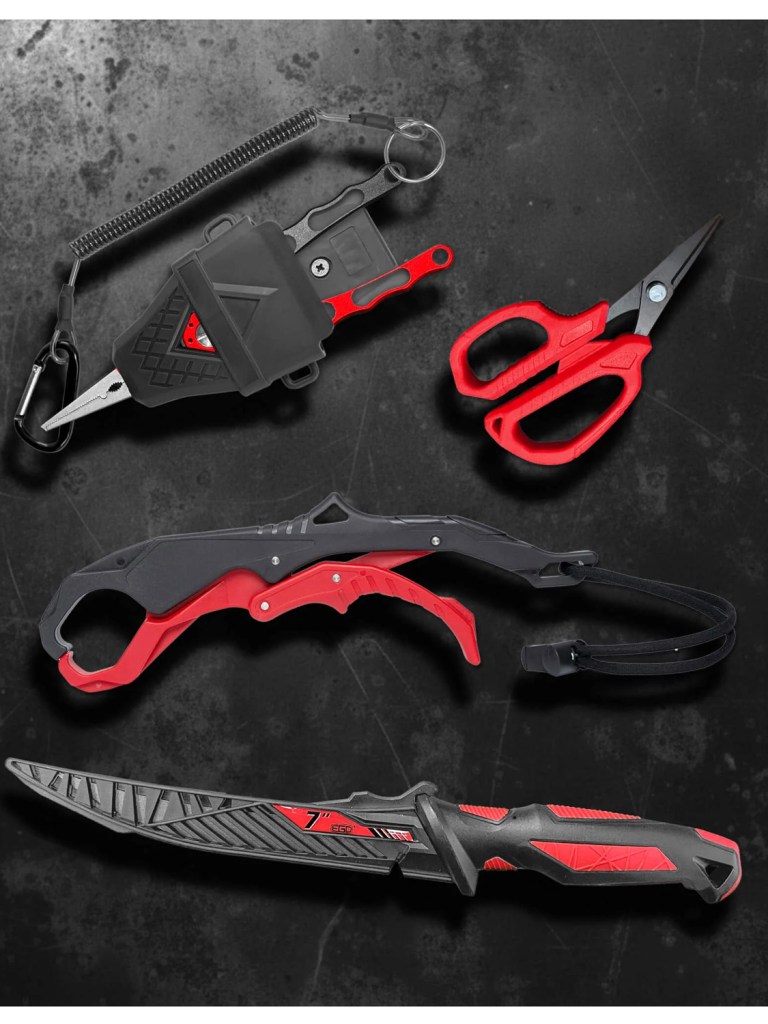
Ego Fishing Blackwater Tool Kit
Purchasing the tools required to support fishing can quickly drain the budget. EGO Fishing just dropped a series of fishing tool kits that cover the bases without breaking the bank. The Blackwater Tool Kit includes 7-inch aluminum pliers with stainless steel jaws for extra grip and durability. I like the hard-plastic sheath that secures the pliers and offers a variety of mounting options. The Blackwater kit also includes fish grippers, scissors and fillet knife, everything I need to manage fish from the water to the frying pan.
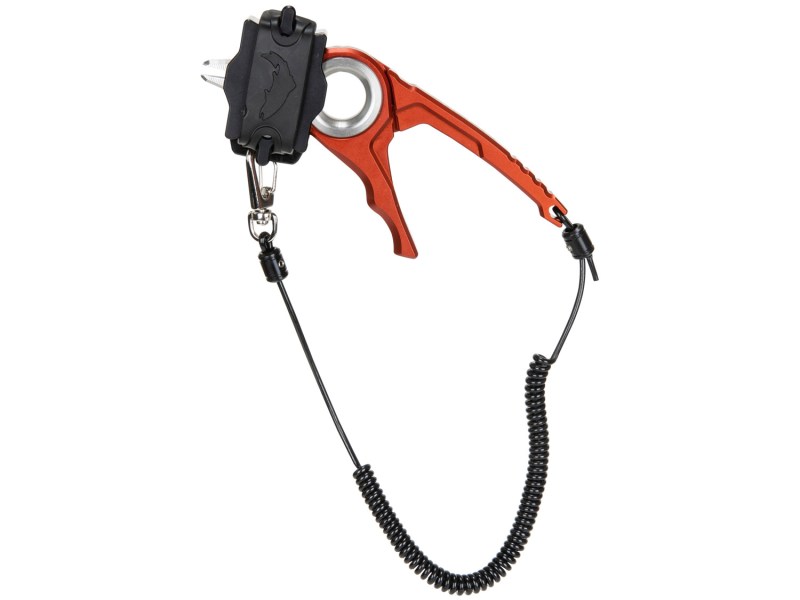
Simms Flyweight
Simms Flyweight pliers are unique fishing pliers and a personal favorite. The compact pliers have a shortened bottom handle and angled head to take up less space and still produce maximum grip and control. The minimalist sheath solidly grips the pliers and clips to belts, suspenders or molle straps. I throw the Flyweight in a pocket to keep them in easy reach. The aluminum pliers have replaceable stainless steel jaws and cutters for reliable performance through years of use.
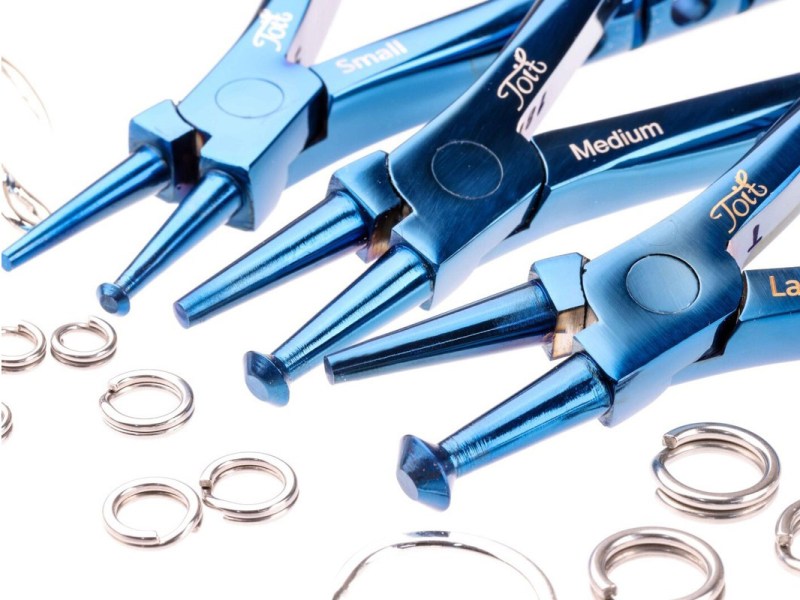
Toit Split Ring Pliers
Opening a split ring is like performing dental work on a hamster; I can hardly see what I’m doing and the little thing fights me to the end. Toit’s split ring pliers give me an advantage over my adversary. The interchangeable jaws feature a thin metal wheel at the end. Instead of trying to tweeze the split ring with the hooked jaw on traditional split-ring pliers, the Toit jaws naturally find the groove in the split ring and apply solid pressure to open the wires. Now I can change hooks or connect swivels with my eyes closed.