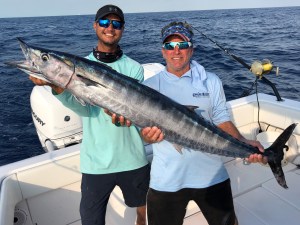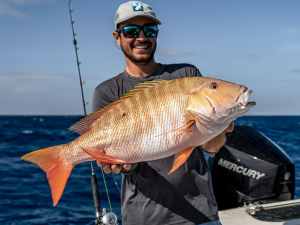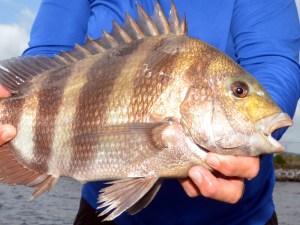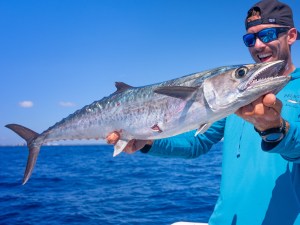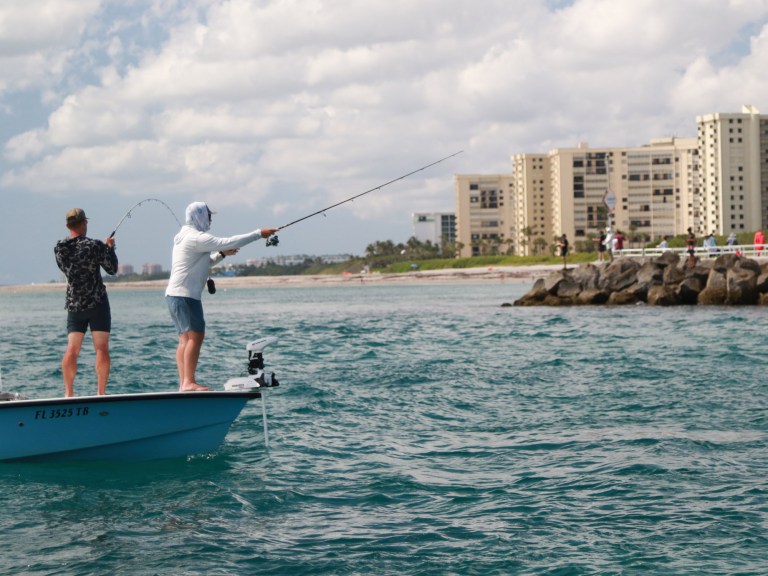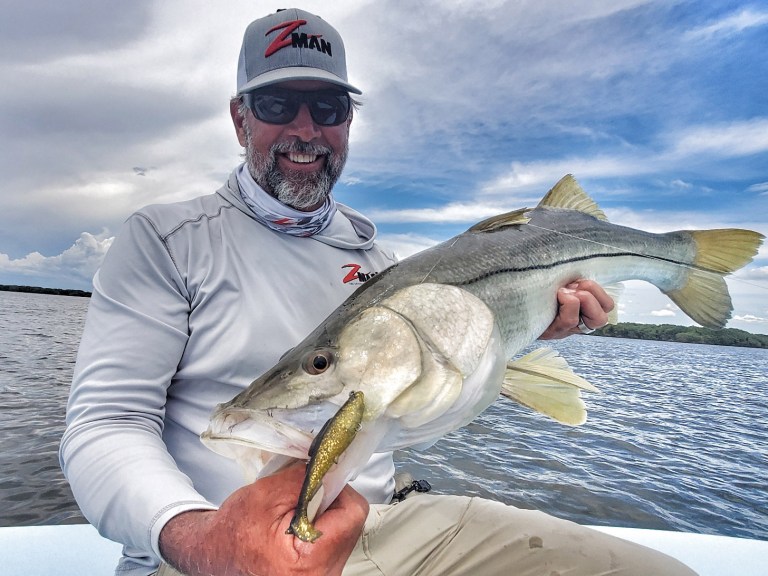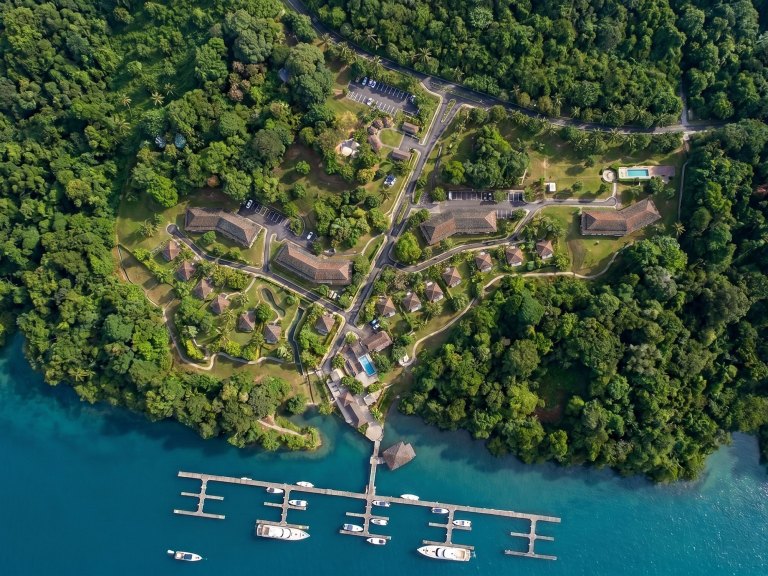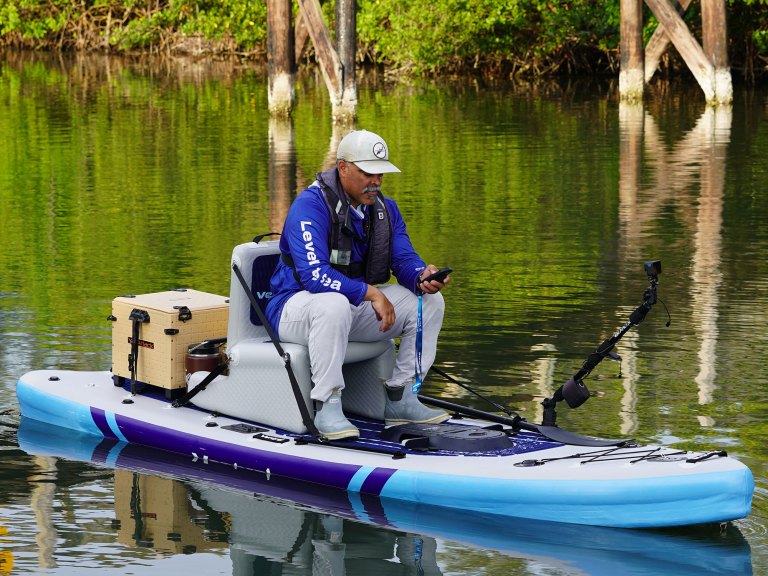
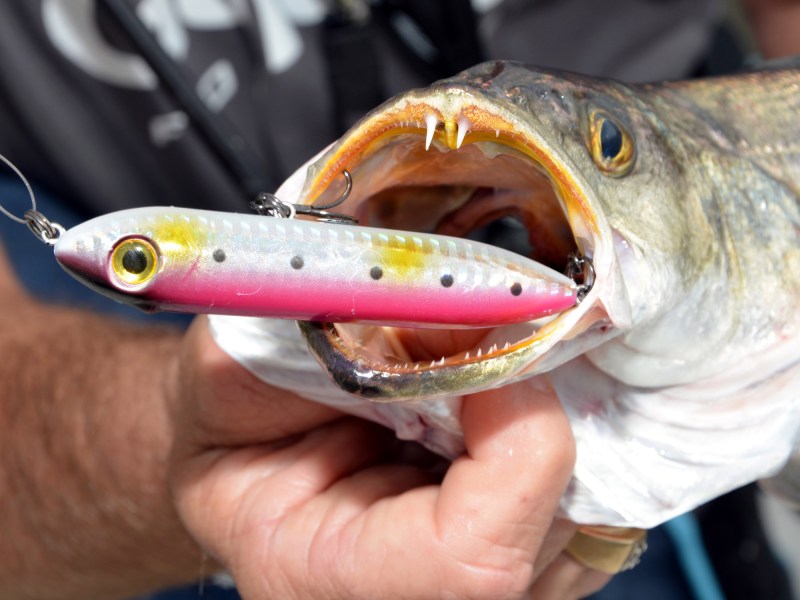
With a wealth of marsh and undeveloped shoreline, inshore and nearshore fishing on Florida’s Forgotten Coast is great for a variety of species.
When people think of the Florida coastline, they envision high-rise hotels separated by condominiums, but along the Forgotten Coast, “nightlife” typically means families enjoying fresh fish they caught earlier that day.
“They call it the Forgotten Coast for a reason,” proclaimed Capt. Jeff Ruppart, of Carrabelle. “The fishing here is amazing. We have many different species we can catch in a variety of places.”
With more forests than hotels, this sparsely developed section of the Florida Panhandle generally runs from Mexico Beach to where the peninsula thrusts southward at the Big Bend about 90 miles south of Tallahassee. Not forgotten by anglers, the Forgotten Coast includes about 200 miles of coastline, barrier islands, several rivers and multiple bays.
Fishing the Marshes of the Apalachicola River Delta
The Apalachicola River dominates this part of the Florida coast. The largest river by water volume in the Sunshine State flows into the 208-square-mile Apalachicola Bay estuary in Franklin County near the town of Apalachicola. Hemmed in by barrier islands, the bay averages 8 to 9 feet deep. The lush surrounding marshy delta serves as a rich nursery for fish, crabs and especially shrimp, the “bread of the bays.”
“The Apalachicola River Delta has a lot of oyster bars and many finger streams,” explained Dan Van Treese with Perfect Cast Charters in Port St. Joe. “The river brings in a good mix of brackish water that creates very diverse habitat for various fish.”
Eastward along the coast, Alligator Point separates Apalachicola Bay from Apalachee Bay, which is another outstanding estuary system fed by smaller streams like the Ochlockonee and Wakulla rivers. Anglers can fish the marshes around Carrabelle and St. Marks on Apalachee Bay and farther eastward. These marshes create excellent habitat for flounder, redfish and other species.
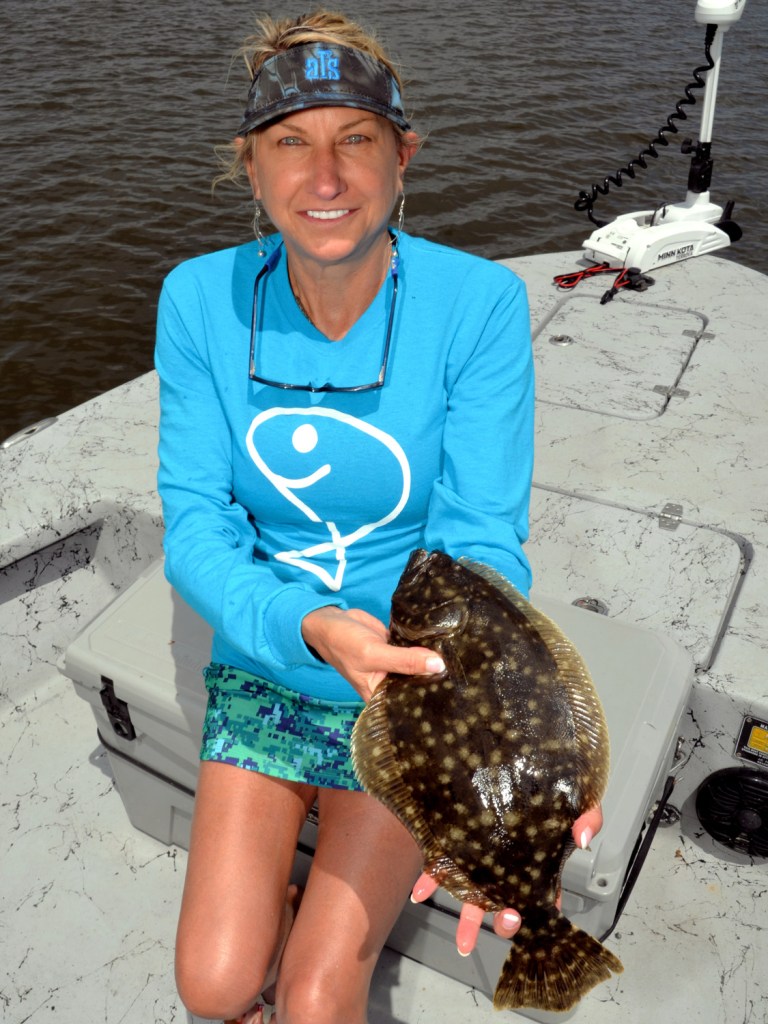
Forgotten Coast Flounder and Redfish
“For flounder, I go during a higher tide or a tidal change,” advised Leif Lundquist, who owns Viking Coastal Charters in St. Marks. “I fish a live bull or mud minnow on the bottom in the creek mouths. When water flows out, baitfish come out with it. Flounder sit in the creek mouths waiting to snatch anything that comes out.”
On a falling tide, fish a popping cork with a live bait or artificial shrimp for redfish and flounder. Throw upstream and let the tide carry the rig naturally downstream. Occasionally pop the cork. Jigheads sweetened with soft plastics also work. For redfish, also work a gold spoon or spinnerbait downstream. Topwaters, like a Rapala Skitter Walk, in bone colors, or a MirrOlure MirrOdine also tempt spot-tailed marsh marauders.
“Redfish cruise the shorelines and rock piles,” Lundquist said. “Any small creeks coming out into deeper water or points are good for redfish. We have so many pinfish and pufferfish, they eat shrimp in seconds. When not throwing artificials, I’ll use mullet chunks. Redfish love mullets.”
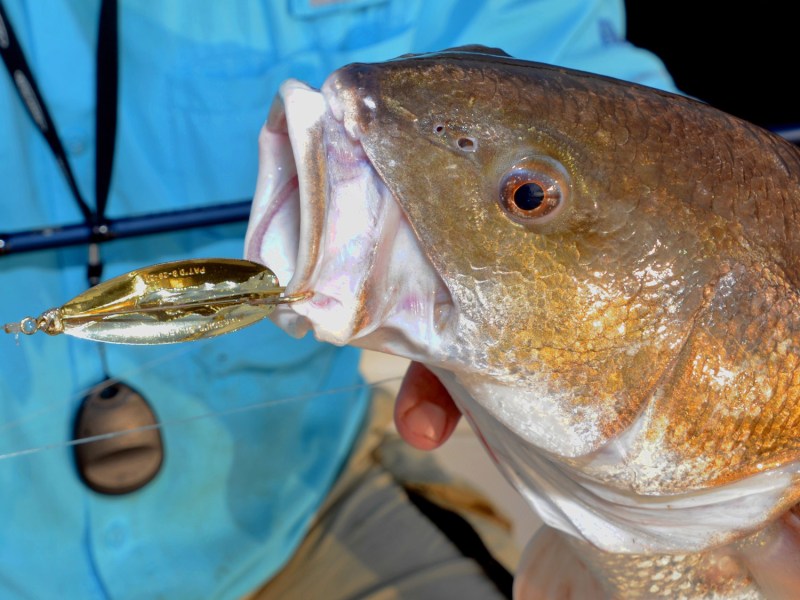
Summertime Seatrout on the Forgotten Coast
During hot summer nights, some people walk the beaches carrying lanterns to gig flounder. Others cruise shallow flats in boats specially equipped with powerful lights. At night, there’s no telling what someone might spot in the clear waters.
In summer heat, speckled trout tend to move farther out to deeper water. Sheepshead, bull redfish and big black drum stay near the reefs in the bays and nearshore waters.
Seagrass dominates the sand flats. Predators lurk in grassy edges watching for prey. Look for white or splotchy patches on the bottom that indicate openings in the grass. Toss artificials or live baits into the clear spots.
“In the summer, we see tremendous amounts of bait, so trout spread out,” Lundquist observed. “We look for irregular bottoms. In deeper water, I throw 1/4- to 3/8-ounce jig heads tipped with plastic shrimp or swimbaits. My go-to color is electric chicken. Sexy penny is another good color. The biggest trout we usually get around here would be in the 20- to 25-inch range, but we’ve caught some 30-inch trout.”
For specks, many people fish around Alligator Point, which separates St. George Sound from Apalachee Bay. The sound and bay produce good trout action. Fish around Dog Island or St. George Island and the points.
“Just about every trip, we catch and release some trout exceeding 19 inches,” Ruppart remarked. “We catch a lot in the 22- to 24-inch range and some over 26 inches. I use soft plastics or Berkley Gulp! I like D.O.A. paddletails in chartreuse, chartreuse and white or electric chicken. I make my own corks. I prefer to throw lures without corks, but people fishing with corks usually catch more fish than people without corks.”
Fishing the Beaches of the Forgotten Coast
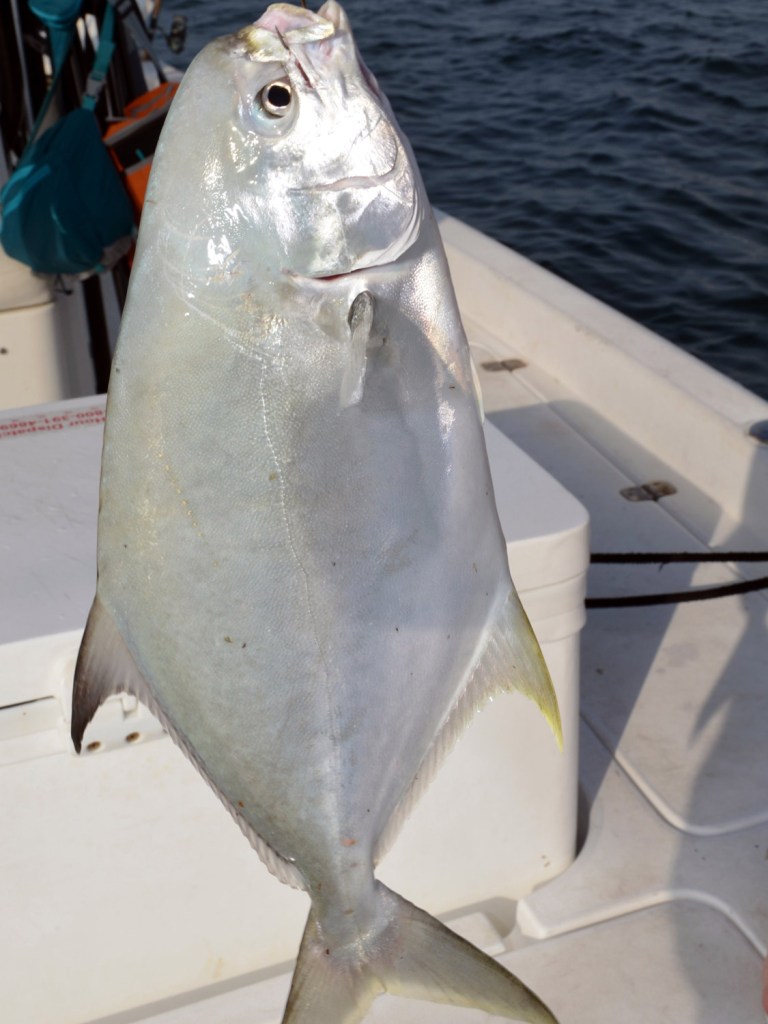
As water warms in the summer, some people wade the island beaches casting for trout. They might also catch redfish, bluefish, Spanish mackerel, whiting and other species. The beaches around St. George and Dog Islands also hold good pompano numbers during the summer. Waves sculpt sandbars and troughs. Pompano normally hold in the first or second trough out from the beaches.
“I make little crab jigs and always keep one handy for pompano if we’re fishing near the Dog or St. George Island beaches,” Ruppart said. “Sometimes, we see schools of pompano. I’ve also seen pompano following sea turtles or stingrays up on the flats.”
Flats Fishing on St. Joe Bay
About 23 miles west of Apalachicola, Cape San Blas and the St. Joseph Peninsula nearly enclose St. Joseph Bay. The bay drops to about 35 feet deep in places, but averages much less. A pass about 4 miles wide connects the bay to the gulf. The Gulf County Canal connects St. Joseph Bay to the Gulf Intracoastal Waterway and several freshwater lakes.
Sand and grass flats dominate parts of St. Joseph Bay. Many people throw suspending twitch baits or topwater plugs over the grass for trout. Some anglers fish live bait on drift lines. The bay has produced trout exceeding 32 inches and weighing more than 11 pounds. Bay anglers might also catch redfish, flounder, black drum, Spanish mackerel and sheepshead.
“St. Joseph Bay is extremely clear,” Van Treese described. “With an opening to the gulf, the bay gets a good clean flush of salty water. A few small channels flow into the south end near Blacks Island. Those channels sometimes hold a lot of fish.”
Summer Tarpon Fishing
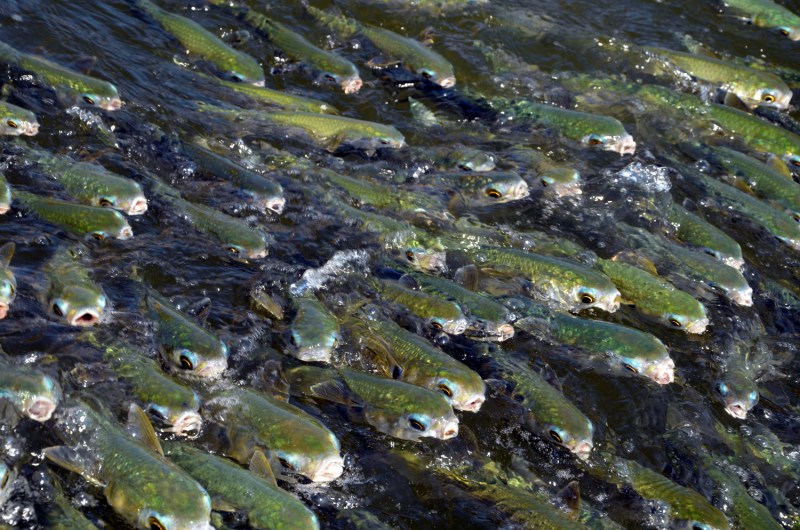
In the summer, watch for tarpon chasing baitfish. From late April through October, tarpon migrate along the coastline following menhaden schools. Fish a live menhaden or pinfish on a circle hook.
Swimbaits 5 to 7 inches long might also entice tarpon. Many people also come from neighboring states to tempt tarpon with flies.
“When we see tarpon busting bait on the surface, we free-line live baitfish drifting with the tide,” Van Treese said. “We also hook dead menhaden through the chin and nose. We cast them and slowly reel so they spin a little in the water. That makes them look like dying baitfish. When fishing around thousands of live menhaden, we need to do something to make our bait look a little different.”
Anglers also catch various sharks, mostly lemon, bull, Atlantic sharpnose, blacktip and spinners. Sometimes, anglers hook into huge tigers or hammerheads. Anglers fishing for tarpon might also catch king mackerel, cobia and other fish.
Sight-Fishing for Tripletail
Tripletail show up around April and leave by late October. Also called blackfish, tripletail love to hang around any floating objects. The Apalachicola River constantly washes floating debris into Apalachicola Bay.
Indian Pass separates the mainland from St. Vincent Island and connects St. Vincent Sound to the gulf. In this area, look for tripletail lurking around buoys, bridge pilings, crab trap floats and other objects. Some people run the channel markers and crab trap lines looking for tripletail
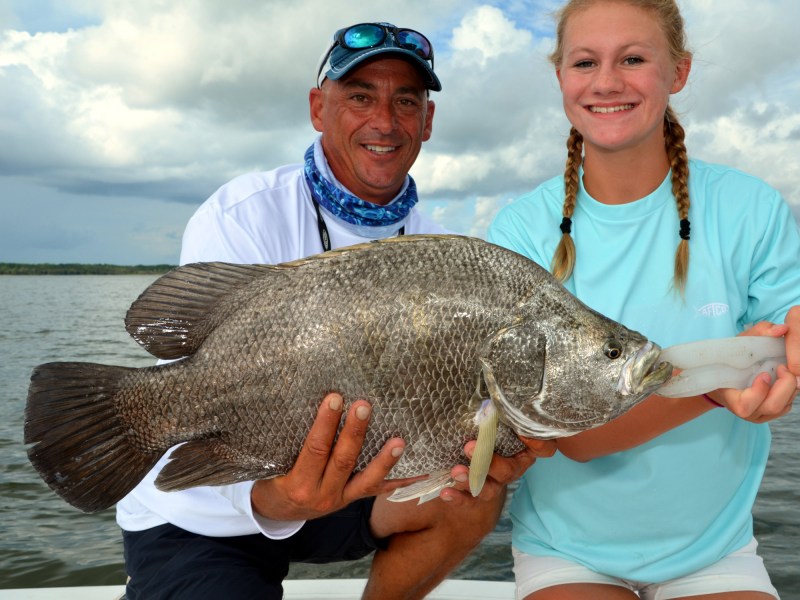
“People catch trophy tripletail in Apalachicola Bay,” Lundquist said. “We drive around looking for tripletail and pitch squid, shrimp or even soft plastics to them. Sometimes, we fish structures outside the islands. They are coming from offshore.”
After spotting a tripletail, approach quietly from upwind. Tripletail might hit artificial shrimp or minnows, but prefer live or natural bait, such as shrimp, squid or crab. Dangle bait under a popping cork. Make long casts. If possible, throw the bait beyond the floater and pull it to the object or let the wind and tide carry the cork to the fish. Tripletail also hit flies.
“Tripletail are very popular, taste good and are fun to catch,” Ruppart opined. “I’ve caught plenty on Clouser minnows or crab flies.”
Stay Rigged for Cobia
Cobia also hover near floating objects. While looking for tripletail, keep a jig or live bait handy to pitch to a cobia. They like jigs with curly-tailed trailers that mimic eels. They also like live pinfish and mullet.
“I keep a 3/8- or 1/2-ounce SPRO jig with a white paddletail soft plastic or a jerkbait handy in case we see a cobia,” Ruppart said. “A cobia will hit any lure we throw at it if they are feeding, but sometimes just follow lures.”
During the season, dive for scallops. Many area restaurants cook the succulent mussels or fish people catch that day.
“When I take out a charter, we fish for whatever presents itself,” Ruppart commented. “I’m might be going after trout, but run into a school of Spanish mackerel or find some pompano. We keep ready for anything we might see.”