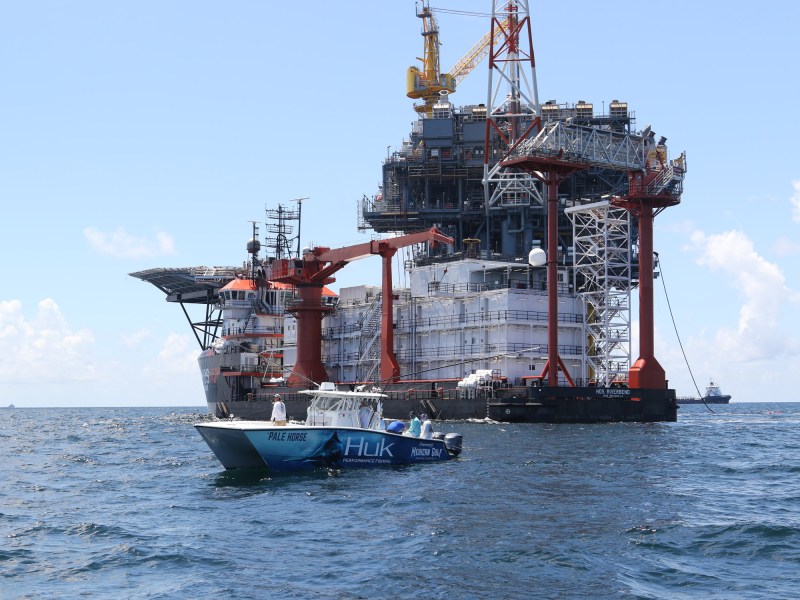
Gulf rigs are the cornerstone of offshore fishing in the Gulf of America. Say the word “rigs” to anyone from Mobile Bay to the Texas Coast, as well as anglers who visit this region, and everyone’s immediately on the same page. Fact is, the northern Gulf of America’s collection of oil and natural gas platforms represent the continent’s most diverse and abundant fishing opportunity.
Along with the mobile drilling ships called “floaters,” several thousand stationary structures offer year-round sport-fishing bliss. Florida currently does not allow drilling off its coast, but Sunshine State anglers running out of the Panhandle’s western end can easily participate in the fun.
Wherever you launch, a handful of truths will help ensure a productive and enjoyable day of Northern Gulf rig fishing.
Do Expect Diversity in the Gulf
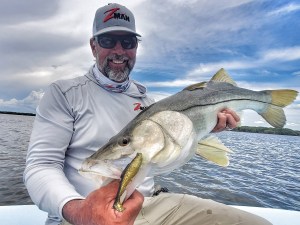
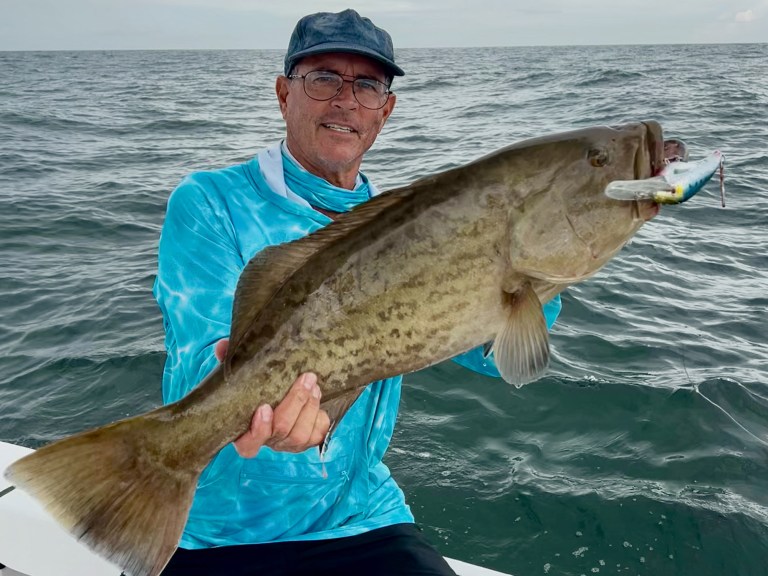
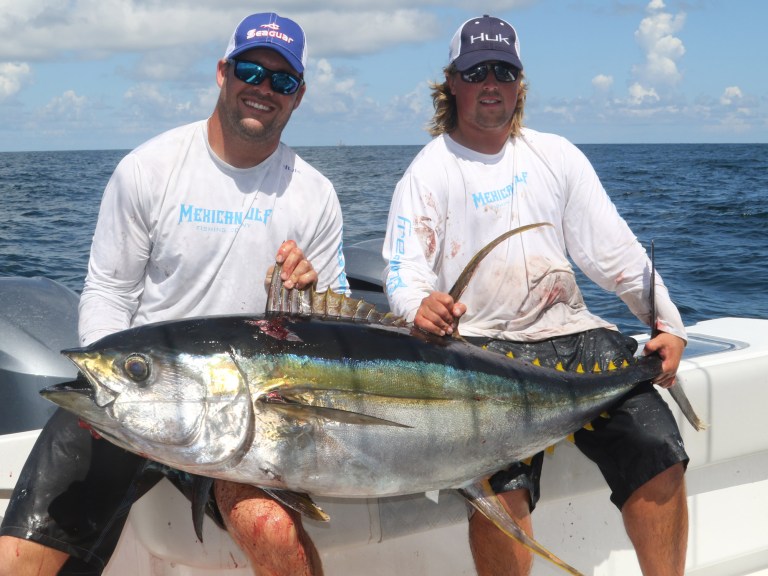
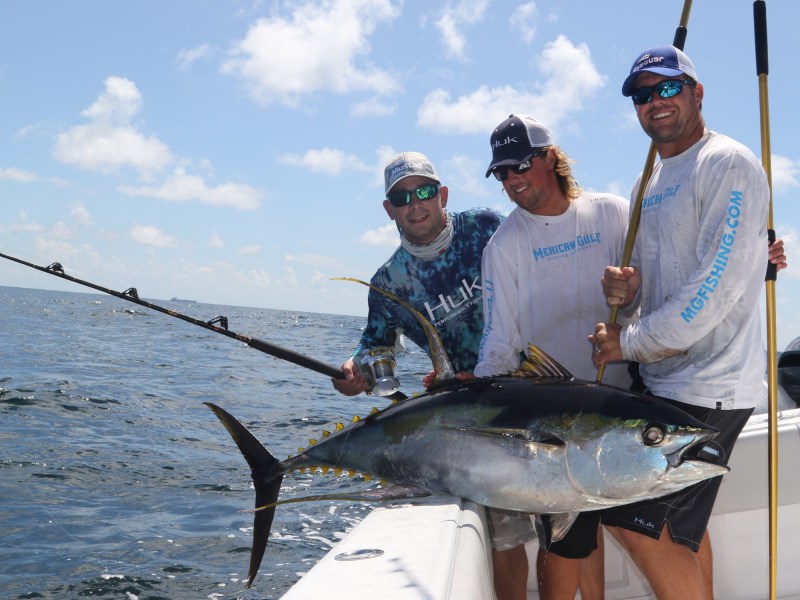
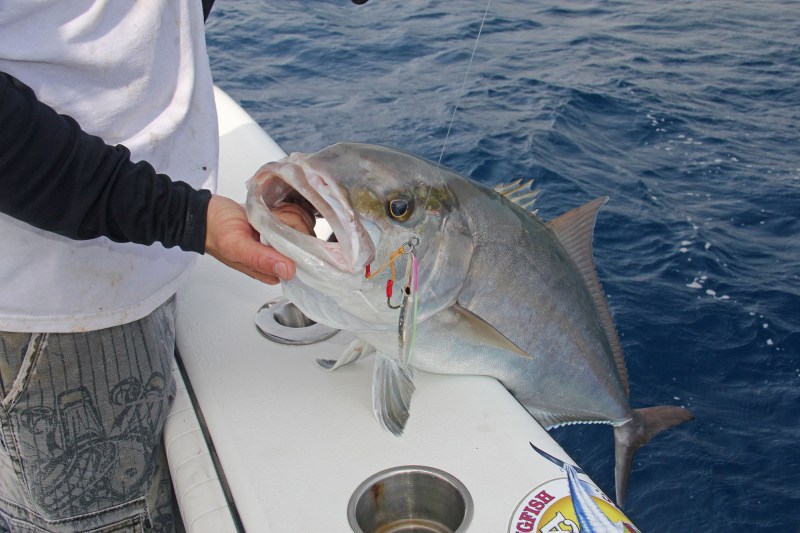
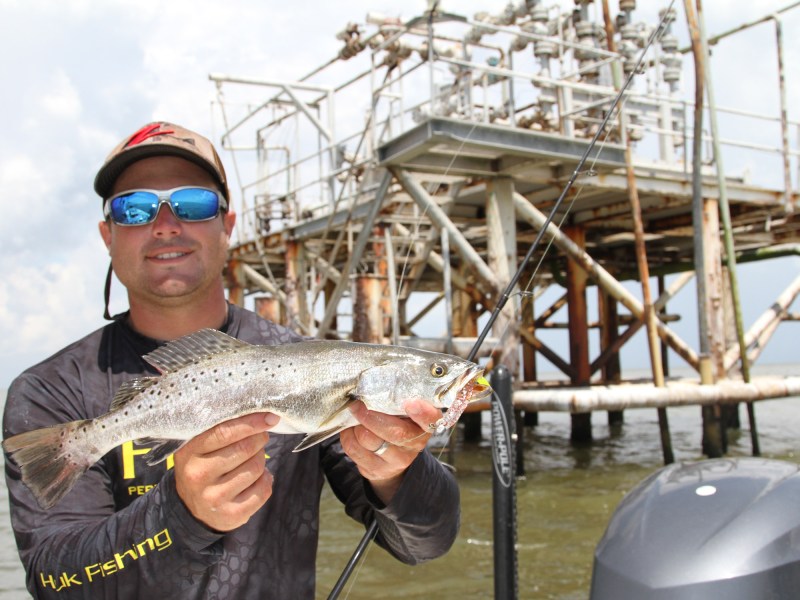
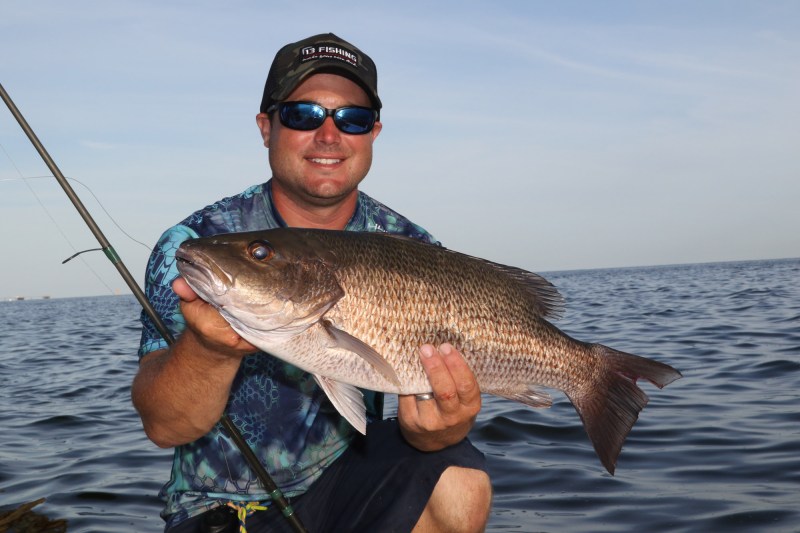
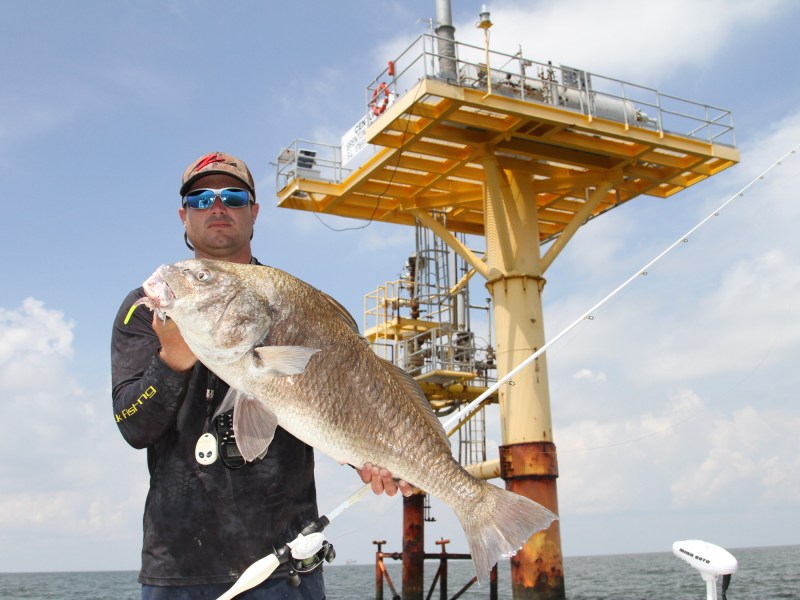
Rig menus vary by depth and season, with the shallow structures offering a mix of speckled trout, white trout, croakers, redfish, black drum, flounder and sheepshead similar to coastal inshore habitats. Move out deeper, and you’ll find snapper (mangrove, red, vermilion) grouper (gag, red, scamp, Warsaw), amberjack, cobia and pelagics such as king mackerel, blackfin and yellowfin tuna, wahoo, dolphin, and even marlin.
Don’t Spend Too Long on One Rig
Bite windows are part of fishing, so keeping track of the solunar tables is never a bad idea. Just don’t burn the clock wishing and hoping. Bait schools move and often, which influences a rig’s productivity. Even with the resident species, you’ll know fairly quickly if the bite is on. When favorable conditions allow easy running, don’t spend more than 15 to 20 minutes on a dud when you can hop around and find an active rig.
Do Fish Live Bait
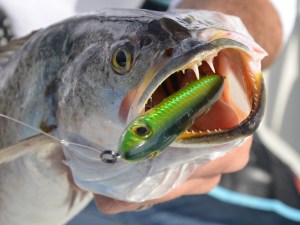
Jigs, topwater lures, spoons, and diving plugs will connect you with plenty of rig action. In some cases, artificials excel in terms of targeted casts to specific spots (i.e. trout holding on a shallow rig leg) or breaking fish, however, natural bait is almost always the fast track to bent rods.
For nearshore rigs, that might be live shrimp, finger mullet, juvenile “peanut” pogies (menhaden), or cocahoe minnows. For deeper spots, go with larger mullet, full-size pogies, croakers, hard tails (blue runners) and greenbacks (threadfin herring). Free-lined or weighted with split shots, knocker rigs, or jig heads, authentic smell and appearance triggers feeding competition. Find a stacked rig and the real stuff will find a taker on every drop.
Opinions vary on chumming. Some deploy a frozen chum block in a mesh bag hung from a stern cleat, while chopped baitfish cut into thumbnail size chunks descend into the depths to call snapper and others closer to your boat.
Few would question chumming’s impact, but here’s the downside. If snapper, grouper, triggerfish and king mackerel can smell the blood and fish oils that chumming releases, those appetizers will not go unnoticed by the time-wasting, tackle-busting sharks and jack crevalle.
Put it this way: A king mackerel tournament angler once told me that if he catches a giant king on a rig where he’s surrounded by competitors, he’ll start chumming to attract those interlopers. He calls this “defensive fishing.”
Don’t Assume a Bigger Rig is Better
There’s nothing wrong with the massive platforms fitted with crew quarters, offices, and helicopter pads, as larger support structure means more habitat, which typically means more fish. The only downside is the fact that larger structures receive a lot of fishing pressure and, while there’s usually plenty of room to spread out, the sweet spots may be occupied.
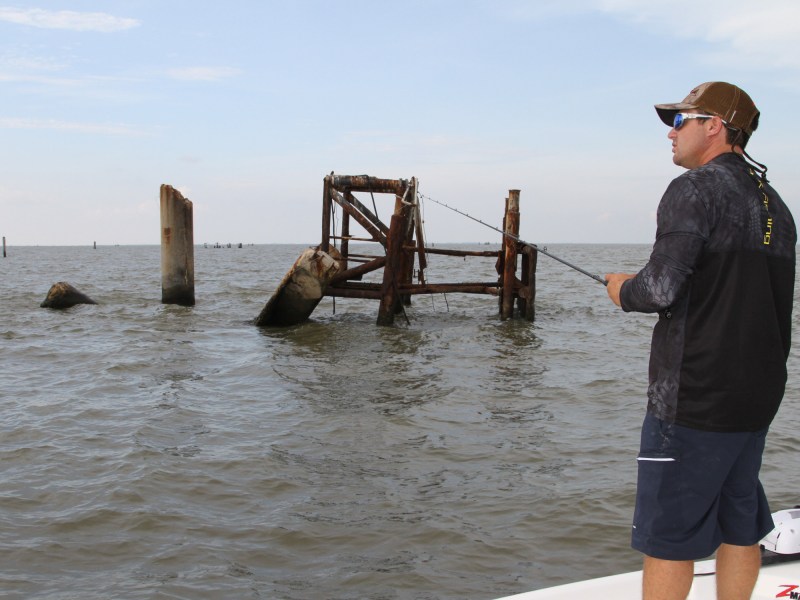
Smaller rigs, even unmanned single-pile mono towers (aka “caissons”) can offer gold mines cloaked in modesty. Also, some of the shallower nearshore rigs include remnants of crumbled docking structures that form miniature reefs. The pieces get moved around by storms, so scan the perimeter to spot hidden opportunities.
Do Come Prepared for a Fight
If you’re targeting trout and redfish around the shallow nearshore rigs, you can get away with the medium-heavy spinning rods you might use in the marsh or around the barrier islands. However, if you’re after the big snapper, grouper, amberjack, and cobia hugging the rig structure, plan on leveling up to heavy spinning or conventional tackle with 50- to 80-pound braided main line and 80- to 100-pound fluorocarbon leaders.
Whatever your target, once you connect, you gotta turn that fish’s head and get ’em coming to you. If you don’t, those rig fish know exactly where to dash and drag your line for their best break-off potential.
And if you’re looking to lock horns with the larger pelagics that hunt the deeper rig perimeters, make sure you’re equipped to put the brakes on these beasts or plan on donating a full spool.
A big part of this comes down to proximity. Rigs are visual targets, but the legs extend at an angle, so you have plenty of fishable structure several boat lengths from the emergent sections.
Boats fishing for snapper, may tuck a little closer, but it’s not uncommon to see folks trolling a football field from a rig. The bait attraction and current dynamics extend far from the visible structure, and the farther you hook a fish from the upper sections of the rig’s legs, the better your chances of avoiding a break-off.
Don’t Take Your Eye Off the Weather in the Gulf
Knowing the forecast, wind direction and strength from takeoff to return helps plan your route, your moves and your options. Anglers fishing out of the Mississippi Delta may use a particular pass in the morning, but run home through a different one based on wind and sea conditions.
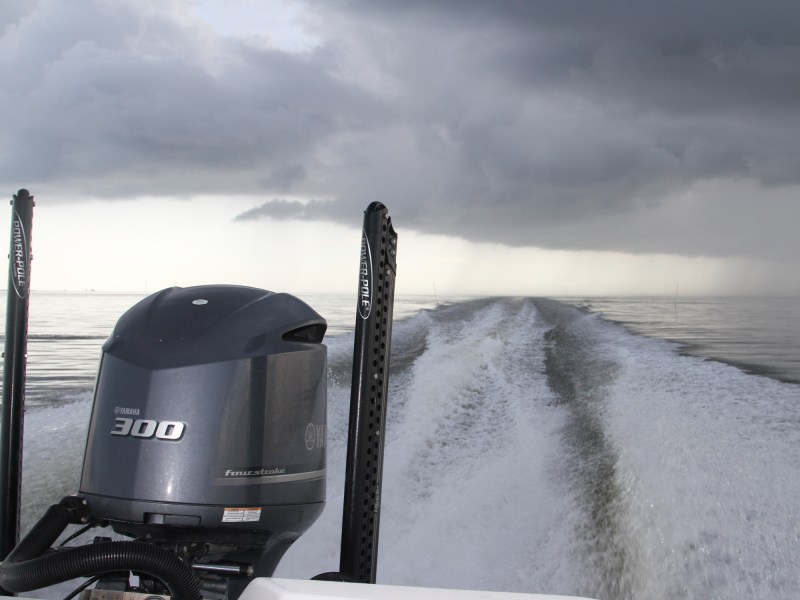
On a glassy day, roll the windows down and run wherever you want, but when you know the day’s gonna turn bumpy, hit the farthest Gulf rigs early and gradually work back to minimize discomfort. Further, beware the notorious Delta pop-up storms — brief, intense summer micro systems that can rattle tightly defined areas with torrential rain and lots of the loud, flashy stuff. Meanwhile, anglers 10 miles away feel little more than a refreshing breeze.
Northern Gulf rig fishing can be fast-paced and absolutely entrancing. Enjoy the day, but check the sky and your weather app frequently. I got caught up in an East Delta photo shoot one August afternoon and one of those little weather demons snuck up on us so fast the guide literally directed us to drop the gear and hang on. A quick sprint away from the dark clouds likely avoided a hazardous moment.
Do Exercise Caution on Gulf Rigs
Along with the weather watching, be careful around those Northern Gulf rigs, as proximity can create problems. It’s not a big deal in calm conditions, but if you’re fishing close in rougher conditions, you might take a bigger-than-average wave and run out of space quickly.
Tying off to a rig and laying downcurrent eliminates the need for someone constantly manning the helm. Take note that popular rigs often display a collection of rope fragments that tell the tale of ambitious boaters that did fine on the connection, but then couldn’t manage the disconnect without suffering fiberglass damage.
Over the years, some have used a “rig hook” — a pole with crooked tip — and attached to a bow rope for easily latching onto a rig and detaching. Each to their own, but Venice, Louisiana’s Capt. Mike Frennette said modern technology renders physically connecting to a rig unnecessary, even in calm seas.
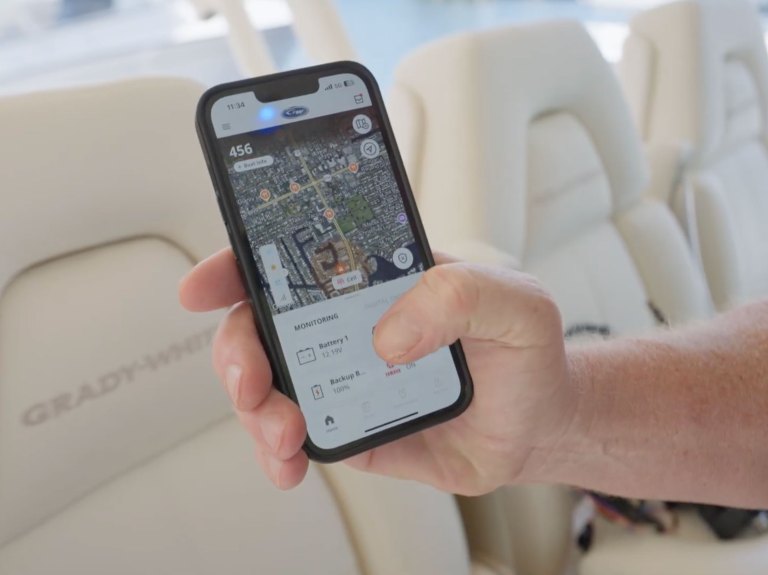
“Spot-Lock (Minn Kota’s GPS-based anchoring feature) now makes it easier and safer,” he said. “I’ve seen rig hooks pop loose and come flying back at the boat.
“Also, the upcurrent side is the best side, because predator fish sit on that side to eat baitfish coming through. But it’s not effective to tie up there, because the current would push you into the rig.”
Frennette also warns against getting too close to the rig where its metallic mass can interrupt the necessary GPS signals. Typically, that’s not a concern if you’re sitting up-current and drifting baits back to the rig.
Another Consideration for Rig Fishing
Crew boats shuttling workers, supplies and equipment to and from the rigs have navigational right of way, so plan on moving when they approach. For this and occasional safety announcements from the rig’s crew, keep your VHF radio on Channel 16.
One Last Tip
Bring a big cooler and plenty of ice. When all goes well, those Northern Gulf rigs will send you home with and a diverse array of tasty fillets.