For many fisheries, April is a transition month when species are on the move out of their winter haunts. Wherever they’re headed, they usually show up hungry, which is why spring fishing can be very good all around the country.
Springtime Haddock Fishing Out of Boston
Capt. Brian Coombs of Get Tight Sportfishing is excited about haddock season opening on April 1. “Early in the month, the best fishing is farther north off New Hampshire in 160 to 180 feet of water,” Coombs says. To find the fish, he reviews online vessel position charts to track the commercial groundfish fleet. “I avoid those areas,” he says.
Coombs sets up a long drift using a drift sock to slow his drift. He drops bottom rigs with feather teasers on the hook. “I add a swivel to the hook eye to keep haddock from twisting the line on the way up from the bottom,” he says. Fresh clam is key. Coombs buys chowder and sea clams and shucks them on the boat. “When the bite is slow, I’ll throw my clam shells in a sack tied to a rope and then drop the sack to the bottom,” he says.
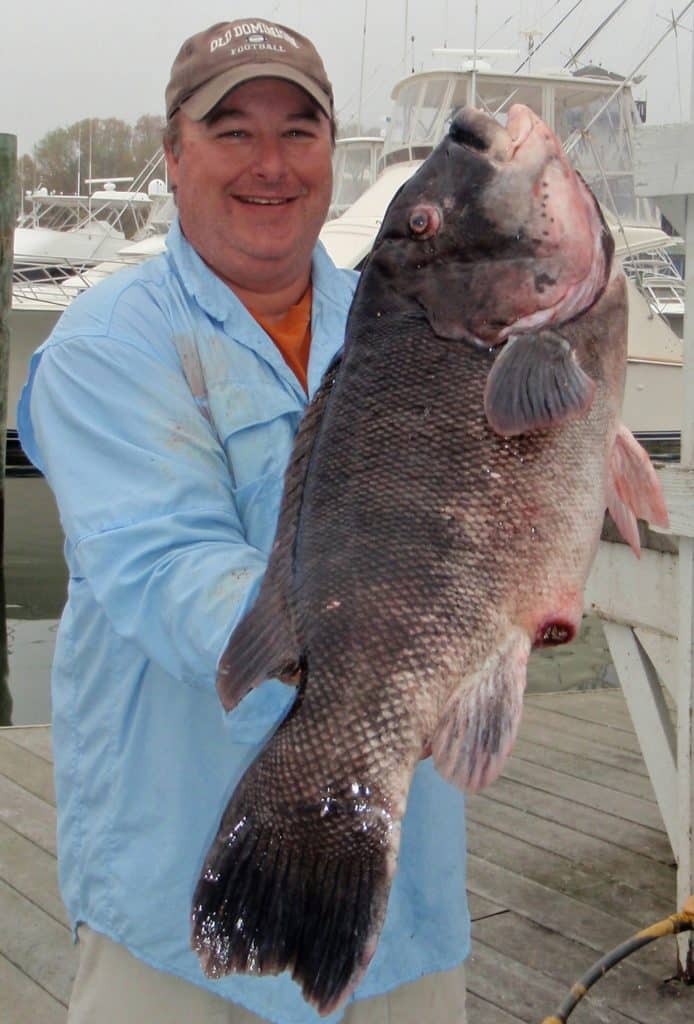
Early Spring Tautog on the Chesapeake
In early spring, tautog move from offshore wrecks to inshore structures. During the migration, the bottom brawlers congregate on the pilings and rock islands of the Chesapeake Bay Bridge Tunnel. Capt. Kenny Louderback of Fish Freaks Guide Service positions his boat over the rocks or near the pilings and fishes a two-hook bottom rig with cut blue crab or a whole fiddler crab.
Louderback says the challenge is keeping the line taut with the lightest sinker. “I frequently change sinkers to match the depth and current,” he explains. Using the lightest sinker possible improves his hook-up ratio. “Inshore ‘tog are finicky, and a heavy sinker slows my hook-set,” he says. In shallower water or when the current is slack, he switches to a 3-ounce Bottom Sweeper Jig for direct contact with the bait and the fastest hook-set.
April Inshore Fishing in Texas
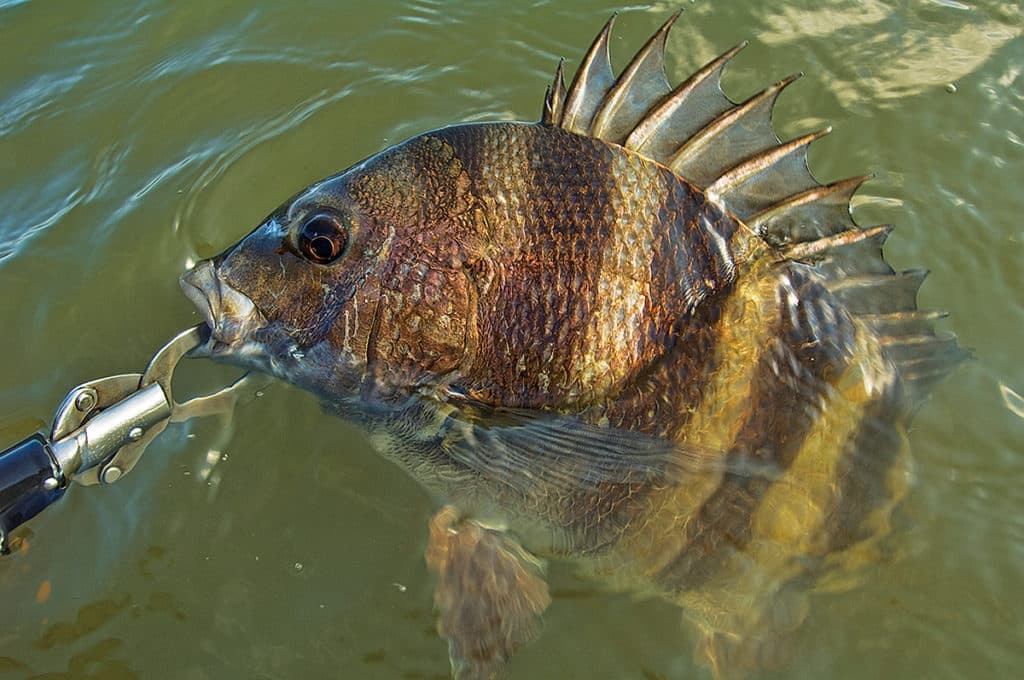
“April is a transition period off Galveston,” says Melody Short of Get Hooked Charters. The switch from winter to spring brings red drum and black drum to the Galveston jetties. To catch trophy drum, Short fishes a live blue crab or mullet as close to the rocks as possible.
When Short goes grocery fishing, she targets sheepshead. “The locals prize sheepshead for their table fare,” she says. She catches “bay snapper” with live shrimp on a small hook dangled in the jetty rocks.
Spring brings shrimp boats inshore and their bycatch attracts big sharks. “We catch spinner, blacktip, bull, dusky sharks and sometimes hammerhead and tiger sharks,” Short says. The shrimp boats attract some unexpected catches, too. “Last spring we caught a huge sailfish on an inshore trip,” she says.
Southern California Mixed Bag
Capt. Kevin Deleskiewicz of Breakwall Fishing lists a bunch of possibilities for Los Angeles anglers: “Calico bass, white sea bass, halibut, sheephead and barracuda are arriving, and bonita are leaving.” To target barracuda and calico bass, he uses 1-ounce irons. Drop the lure to the bottom for calicos and retrieve across the surface for barracuda. “Reel fast, and if you miss a barracuda, reel faster,” he advises.
To target halibut, Deleskiewicz casts tube baits, live baits and flukes toward shore. “People are surprised how shallow I find halibut,” he says. He catches them in less than 10 feet. White sea bass congregate around bait marks where Delskiewicz drops fresh squid on a bottom rig or slider rig.
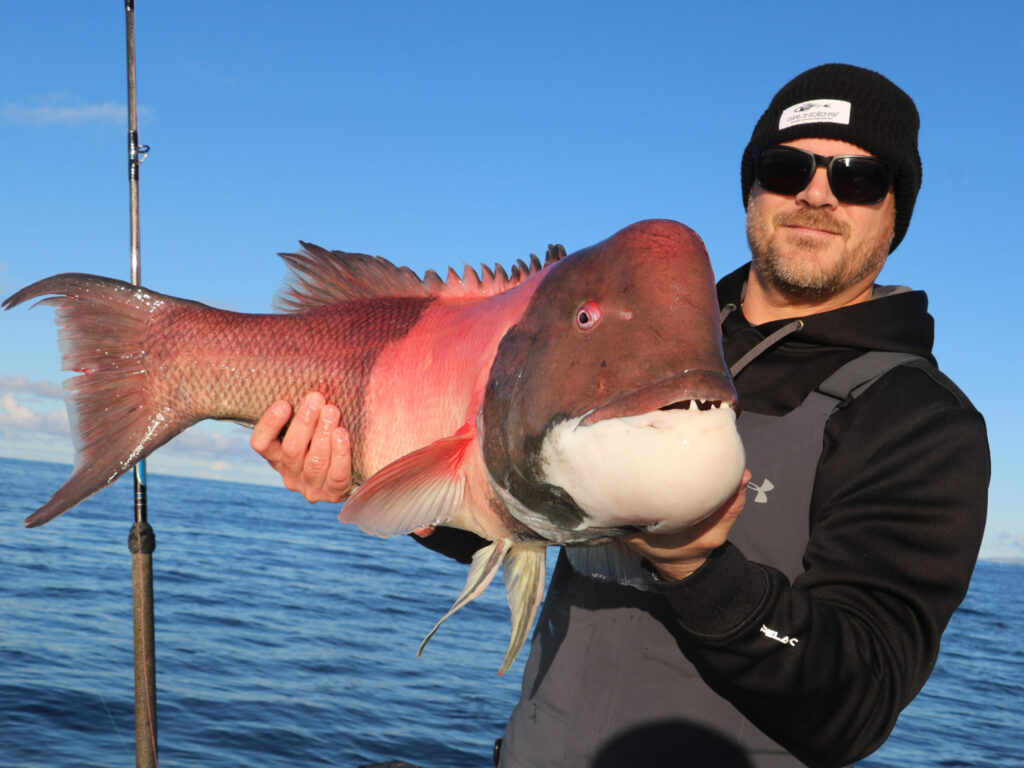
Sheephead are one of his favorite targets. “Frozen shrimp are my secret bait,” he laughs. Light line helps convince finicky sheephead. However, these structure-loving fish have big teeth and leathery mouths, so setting the hook hard is imperative, and you’ll want to pull them out of the rocks quickly.