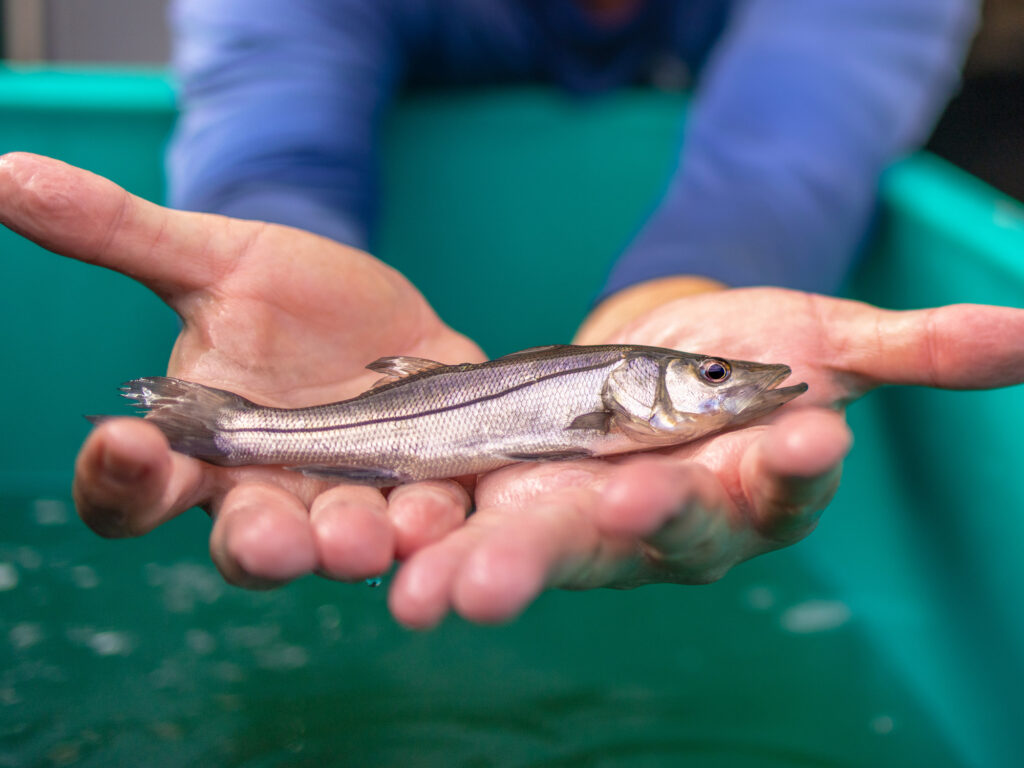
In spring, Mote Marine Laboratory released a record-doubling 28,000 juvenile snook into Sarasota County estuaries. Following up on that historic effort, Florida announced $250,000 in funding for Mote’s Strategic Snook Stock Enhancement Initiative. We’re not there yet, but someday Florida might have the chance to revise the old Doritos slogan to “Catch all you want, we’ll make more.”
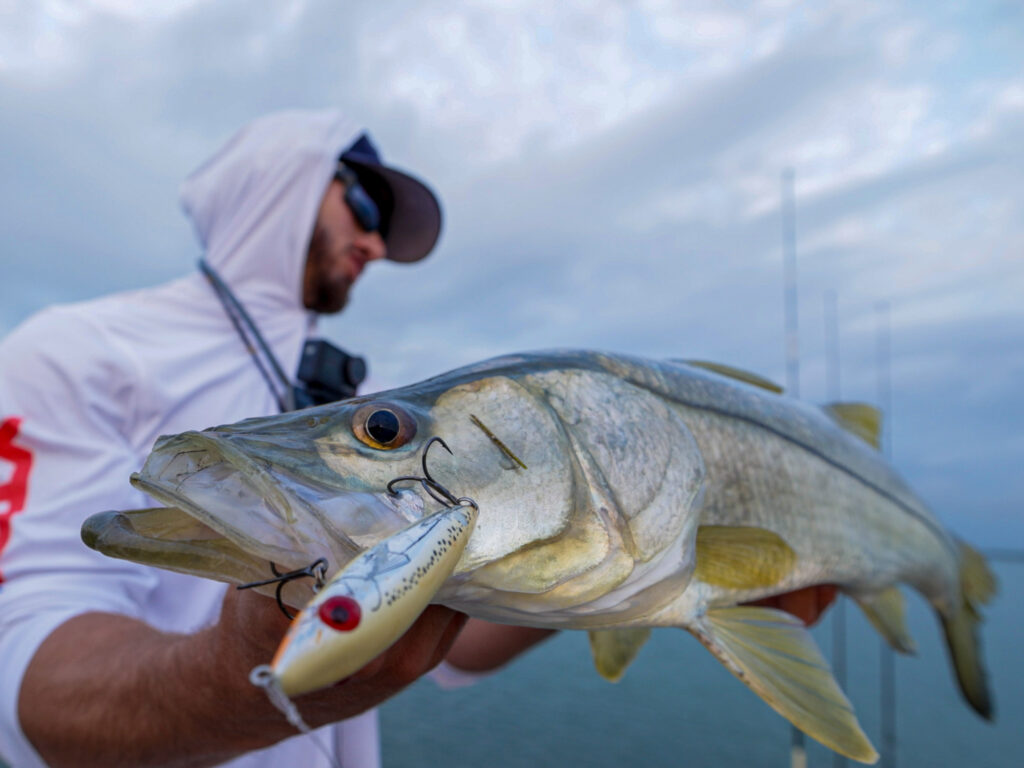
Snook are one of Florida’s most iconic inshore species, and anglers travel from all over the world to fish for them. After a near-catastrophic population depletion in the mid-1980s, snook bounced back under strict management over the ensuing decades. Today the species is outperforming Florida Fish and Wildlife Conservation Commission (FWC) management goals on the Atlantic and Gulf coasts.
Florida Snook Management
Gulf and Atlantic snook stocks have long been managed separately. In 2023, Florida moved to regional management of the species, which allows FWC to evaluate and manage accordingly on a smaller regional scale with eight regions in the state. This is important for a species that is highly susceptible to water temperature anomalies and harmful algal blooms.
The ability to enhance wild stocks through release of hatchery-reared fish is becoming an increasingly powerful tool for bolstering populations and improving recreational fisheries. Mote’s success has not, however, come quickly or easily.
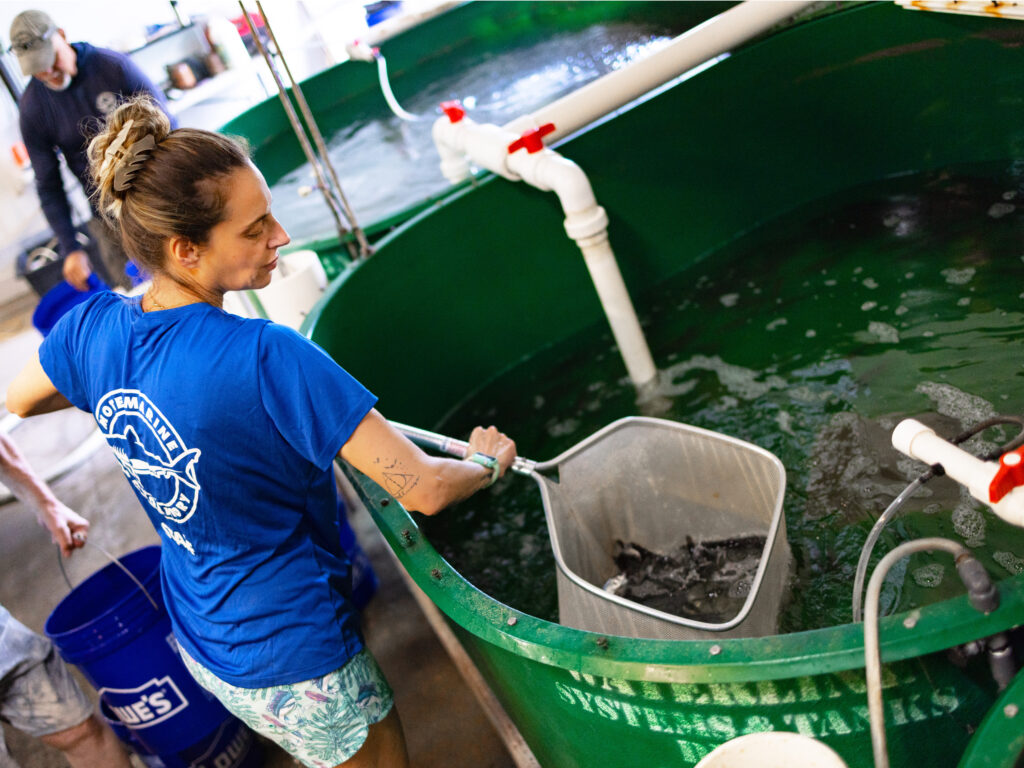
Succesful Snook Stocking
Mote scientists have been working since 1997 to develop and refine stock-enhancement strategies for snook and other species. Prior to the huge May release, the program’s previous record release was 12,000 fish achieved through several spawning events. This record release was taken from nearly 35,000 snook reared through a single spawn.
“This historic release reflected our capacity to scale marine enhancement initiatives in response to ecological need and scientific opportunity,” said Mote’s Dr. Ryan Schloesser. “By combining rigorous research with operational scale, we are advancing how to effectively support wild populations and inform state and regional fisheries management.”
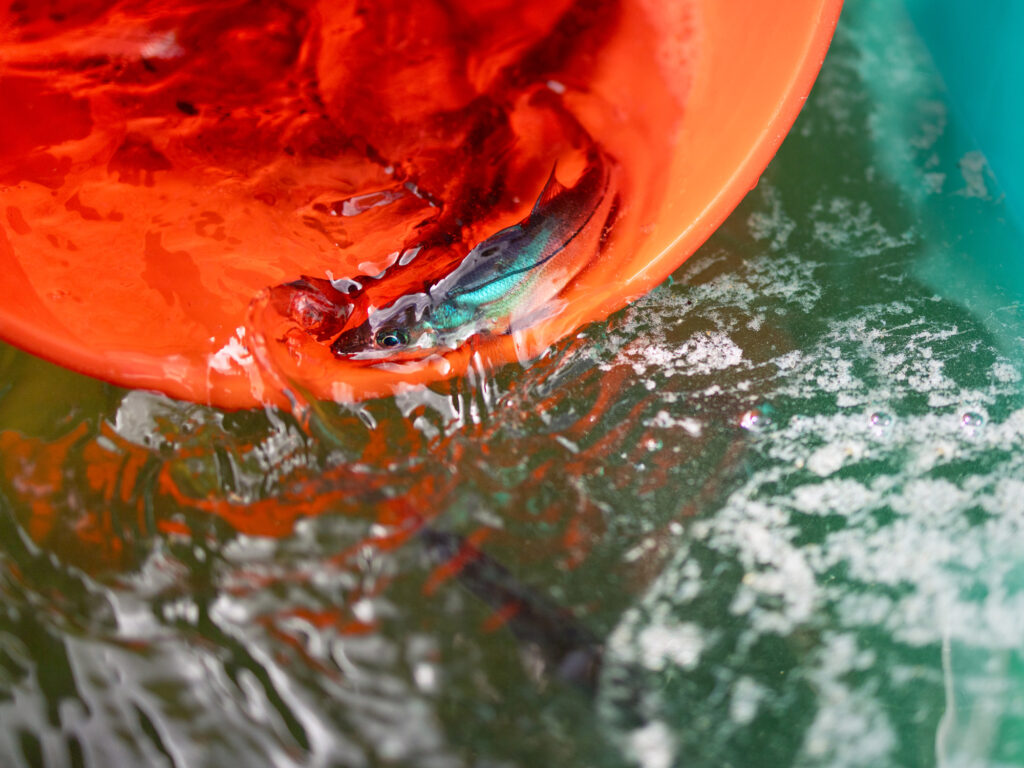
Genetic Tagging of Snook
Beyond numbers of fish, this recent release advanced science through the use of genetic tagging techniques rather than physical tags to identify fish reared at the Mote Aquaculture Research Park. With small tissue samples—such as fin clips—of captured fish, scientists will be able to identify released fish as well as their offspring.
“We have the genetic profiles of the parents and the technology needed to match offspring recovered in the wild back to their source,” said Dr. Schloessor. “This allows us to trace fish without relying on external or internal physical tags.”
With future studies, genetic tagging will allow Mote scientists to measure the success of their stocking efforts on overall snook populations long-term.