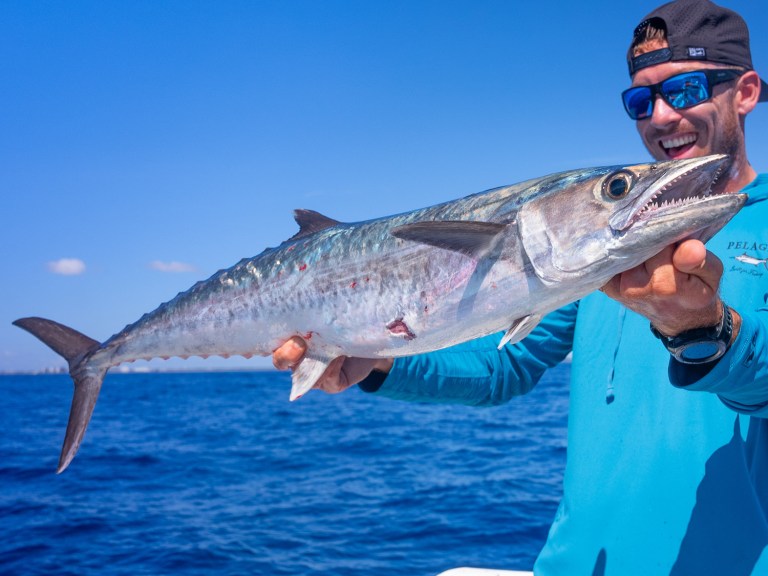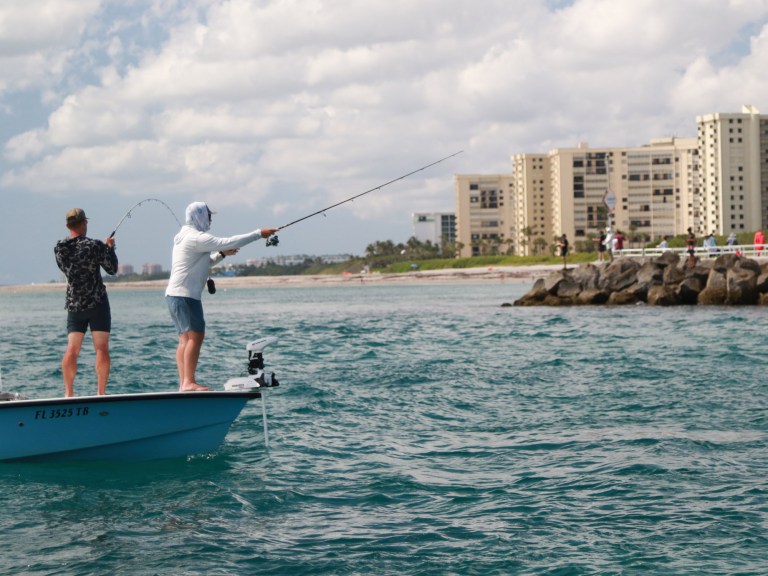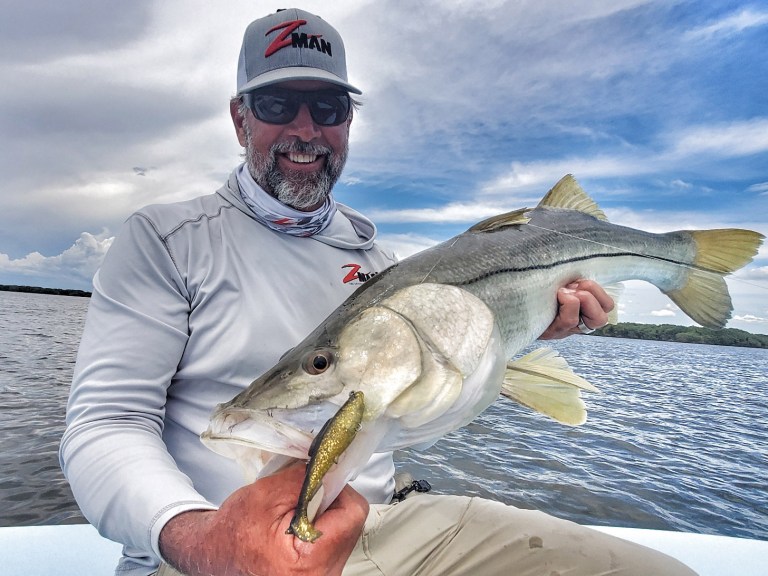

Resorts are great. You show up in a shuttle van, drop your bags with the bellhop, and everything you’d ever want or need is right there around you. From dining, beaching and pool lounging to world-class fishing and lay-day activities, there’s no good reason to leave.
But what if you’re looking for a more authentic adventure, an expedition that puts you in contact with real local culture and forces you out of your comfort zone. At the risk of consuming some sketchy street food or losing your iPhone to a thieving white-faced capuchin, consider a 240-mile road trip down the Pacific coast of Costa Rica.
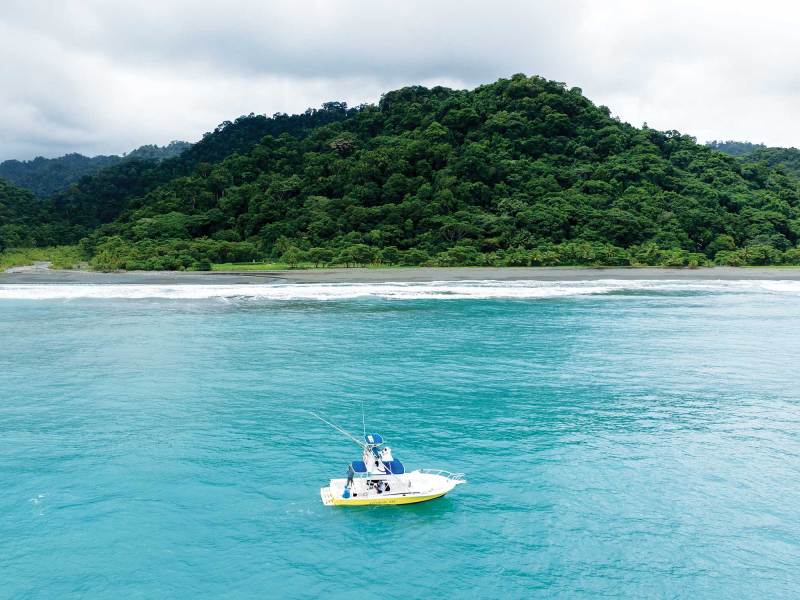
From the international airport in San José through three world-renowned upscale fishing resorts, this route takes you south on the coast road, Ruta Nacional Primaria 34, through the villages and cities of Puntarenas Province. With beaches and resorts on your right and rainforest on your left, it’s paved highway most of the way—through a mix of agriculture, towns, tourism and dense jungle—until the final stretch out onto the Osa Peninsula, where the road turns to washboard gravel through rainforest that hugs the coast of Golfo Dulce. You’re going to want 4-wheel-drive for this trip.
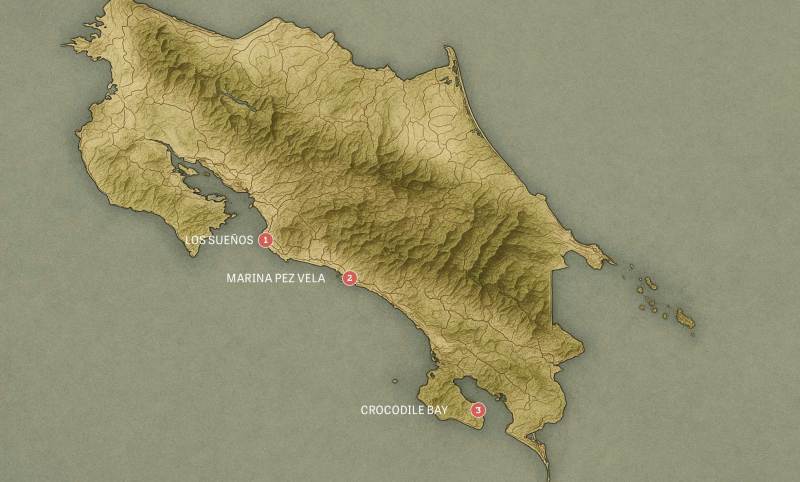
1. Los Sueños, Herradura
On Costa Rica’s central Pacific coast, Los Sueños Resort is the showpiece of Herradura Bay. This posh resort is built around an impressive marina with 200 slips full of sport-fishing and luxury yachts. The 1,100-acre campus features a Marriott hotel, numerous condos and private villas, a golf course, a 600-acre nature reserve, tennis, spa and several restaurants.
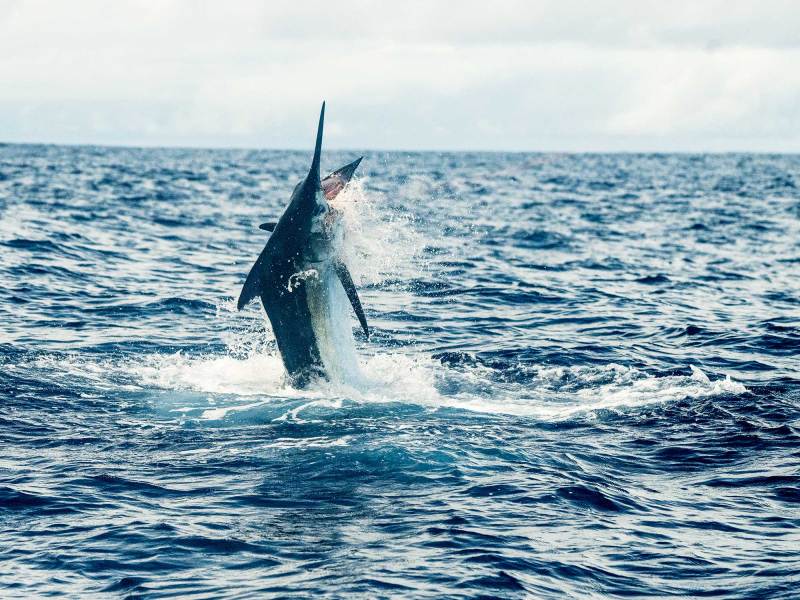
And then there’s the fishing. Home of the Los Sueños Triple Crown tournament series and Maverick Sportfishing, billfishing is serious business at one of the world’s premier destinations for blue, black and striped marlin and large Pacific sailfish. It’s an hour or two run to the billfish grounds, and hard-core anglers can take 140-mile overnighters to the marlin-rich gyres on the eastern edge of the Humboldt Current. Twenty-fish days are not uncommon, and you’ll also likely encounter big yellowfin tuna and dorado.
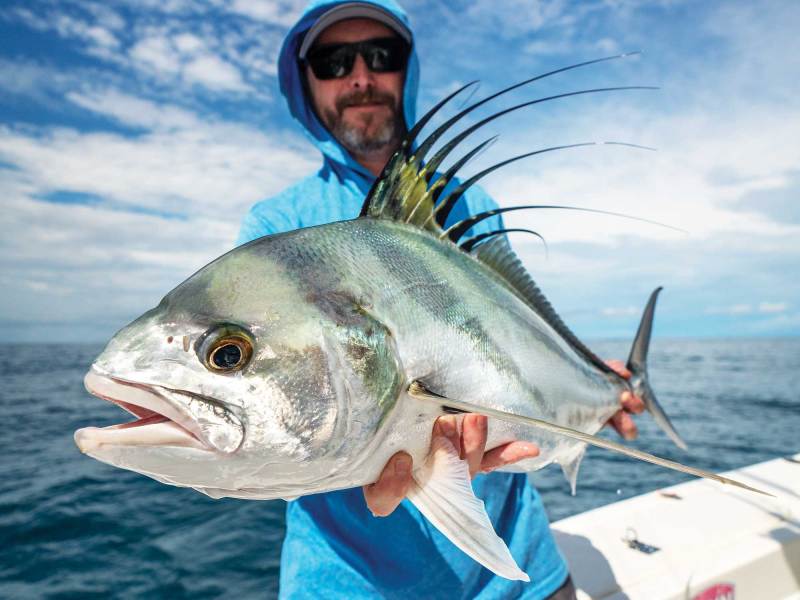
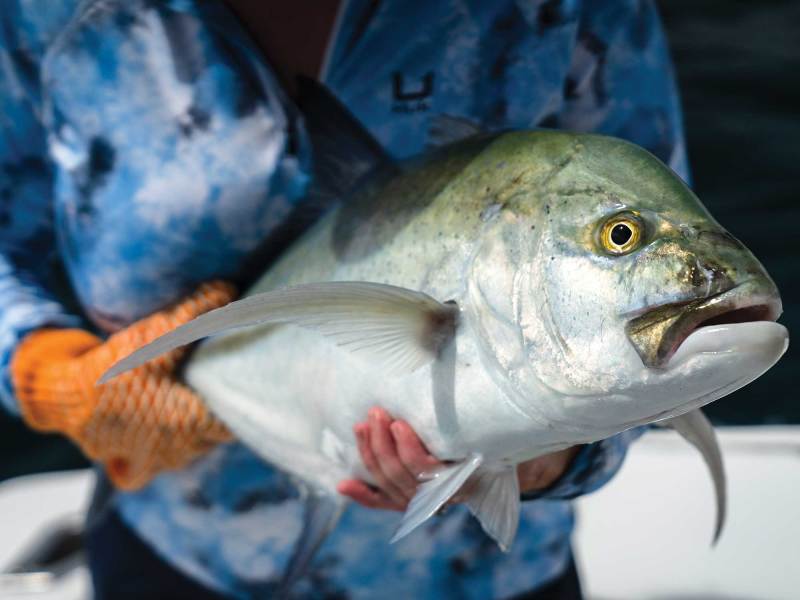
Inshore is a good option when you’re not feeling like a long run. Big roosterfish are highlights, and there are captains who specialize in giving anglers shots with a fly rod.
If you venture off the resort, Jaco is a small nearby town that’s home to a casino as well as several outfits that offer ATV rainforest tours.
Los Sueños is about a two-hour drive from Juan Santamaría International Airport in San José. Be careful on this first leg of the road trip. You’ll encounter plenty of traffic fighting your way out of San José, and even the Costa Rica tourism website (vacationcostarica.com) says the rules of the road are just suggestions. Expect plenty of tailgating, honking and generally aggressive driving. Despite strict penalties, drinking and driving is said to be a national pastime, but don’t think for a minute they’ll let a gringo tourist get away with it.
2. Marina Pez Vela, Quepos
About 50 miles south of Herradura—more than an hour’s drive on Costa Rica two-lane— Quepos is a bustling harbor town with an economy built around tourism, specifically fishing tourism.
Marina Pez Vela opened in 2014, and with 200 slips along with luxury lodging and accommodations, it has become a world-class destination for traveling anglers. The development features villas, a rooftop pool, a spa and fitness facility and a marina village with dining and shopping.
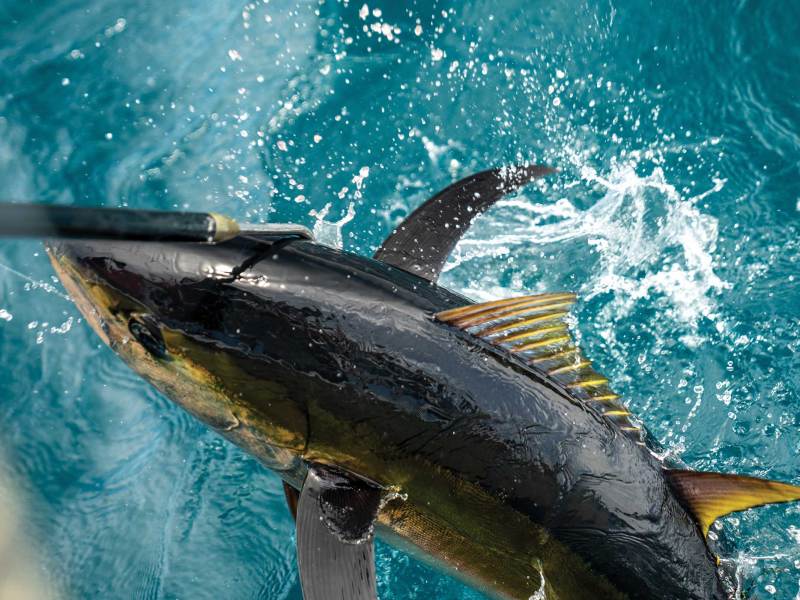
November through June, a full slate of offshore tournaments launch out of Marina Pez Vela to take advantage of an hour-long run to the billfish grounds. Several charter operations are berthed at the marina and provide access to the shelf and seamounts, where nutrient-rich upwellings consolidate bait and game fish 40 to 50 miles offshore. Fast action for 100-pound-class sailfish, big blue, black and striped marlin, yellowfin tuna, dorado, all the stars of Costa Rica’s Pacific coast are in play.
The inshore fishing is visually stunning, with roosterfish and cubera snapper feeding tight on the rugged coastline’s rock outcroppings and black-sand beaches.
On your lay day, consider a trip to nearby Manuel Antonio National Park. Hire a guide to look for wildlife, chill on the beach, or connect with a surf school. The area has a gentle break perfect for beginners.
Read Next: Costa Rica’s World-Class Sport Fishing
3. Crocodile Bay, Puerto Jiménez
Another 130 miles to the south, Puerto Jiménez is a small town with an airstrip nestled deep in tropical rainforest near where Golfo Dulce meets the open Pacific. It’s a remote and unspoiled area. Corcovado National Park takes up 164 square miles of the Osa Peninsula with old-growth rainforest that teems with wildlife.
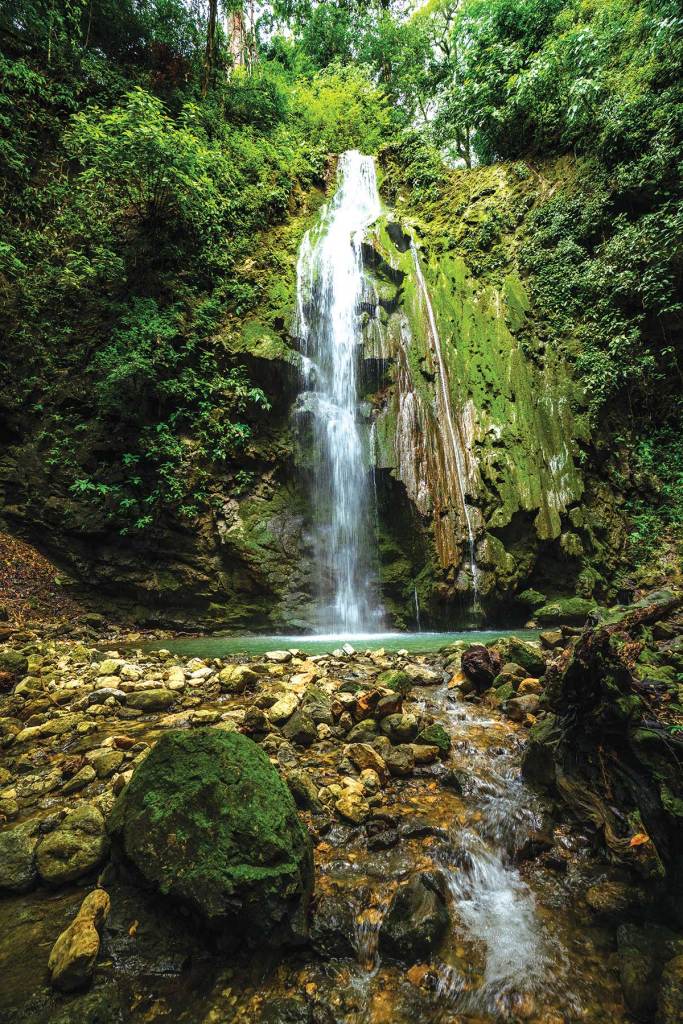
They’ve got monkeys like we’ve got squirrels, macaws instead of crows and endangered tapirs, sloths, crocs, jaguars and a host of other exotic creatures, some of which you’ll see poolside at the recently revamped Crocodile Bay Resort. Croc Bay has been putting anglers on awesome inshore and offshore fishing since 1999, but you’re cheating yourself if you don’t spend at least a day exploring the jungle roads of the peninsula in a Landcruiser with one of the resort’s guides. From towering rainforest waterfalls to gorgeous beaches, they’ve got all sorts of adventures to take advantage of the natural surroundings.
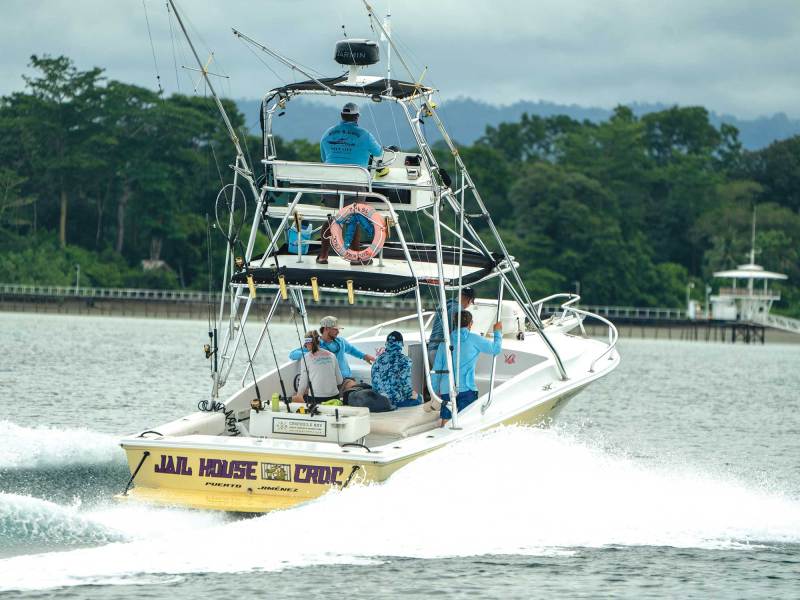
The offshore season runs June through February for blue and black marlin, sailfish, dorado and big yellowfin tuna. The billfishing peaks in January and February. From Croc Bay’s private marina, it’s 25 miles to the nearest seamounts. Fishing inshore and offshore is possible in a day.
From March through May, captains turn their attention inshore, along the gorgeous craggy shoreline for record-sized roosterfish, cubera snapper and an array of other snappers and groupers that are whipped into a frenzy by hatching baitfish.
The inshore season is punctuated by daily encounters with school-sized 20- to 60-pound yellowfin tuna as well as close encounters with humpback whales. Spring is calving season for humpbacks, and mother and calf pairs are frequent sightings in and around Golfo Dulce.
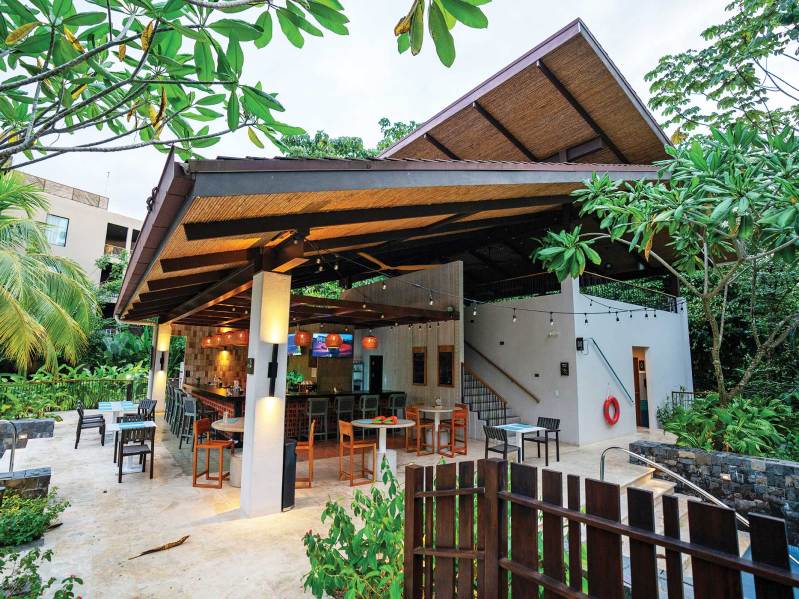
A note on Croc Bay: If you’ve been there before but not for a while, the old lodge buildings are now offices and out-buildings for an elegant Hilton Botanika that opened in 2022. The new pool and lodgings are very nice, but if you find yourself hankering for that nostalgic feel of fishing-lodge camaraderie, the Hard Croc Café bar and restaurant is on site, complete with catch photos on the walls, pool tables and a white board with daily catch totals.
Several car rental services operate out of the tiny Puerto Jiménez Airport. At the end of your road trip, drop that dirty vehicle off and hop on a 12-seat Cessna for a 45-minute flight back to San José.
More Info
What to Pack: A very bloody deck is the result of an encounter with a pod of yellowfins. You’ll want a good pair of deck boots to keep you upright in the gore. Check out Strike’s Bigeye boots. This new company makes the official footwear of the International Game Fish Association.
Pura Vida: Conservation is part of the Costa Rican ethos, which manifests in government regulations protecting the country’s unique biome on land and sea. As a result, recreational fishing and ecotourism are vital to the national economy.
Whale of a Time: Golfo Dulce is one of the few places on Earth where humpback whales from the northern and southern hemispheres meet. They migrate thousands of miles from feeding grounds off British Columbia to the north and the Antarctic to the south to mate around this tropical embayment. The following year, mothers return to calve in the warm, shallow waters of Golfo Dulce.