
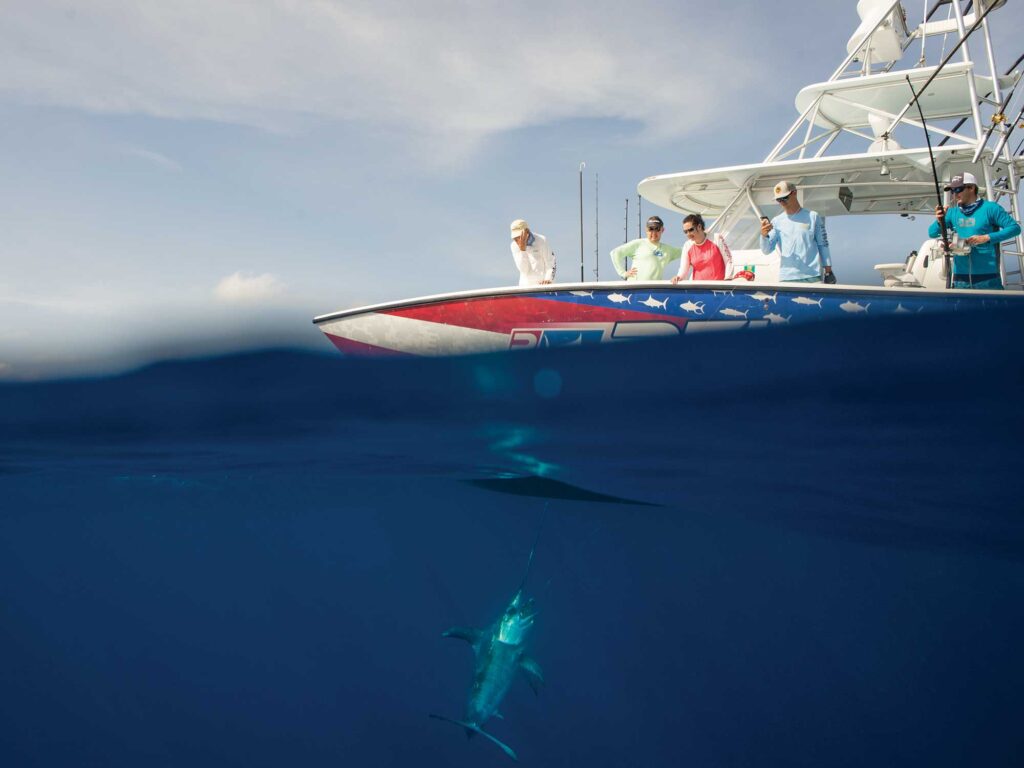
The Gulf Coast is a big place. For this road trip, we cut off a little slice of it in the 270ish miles between Venice, Louisiana and Orange Beach, Alabama. There’s a lot of fishing to be done between the bayous of Cajun country, the Mississippi barrier islands and the inshore playground at Mobile Bay. Add to that the rig- and reef-littered open Gulf, and you’re going to have to make difficult choices about what you want to do and which species you want to target. Just be sure to put back some bait money if you decide to spend a night gambling at Beau Rivage, Harrah’s Gulf Coast or one of the other six casinos in Biloxi, Mississippi.
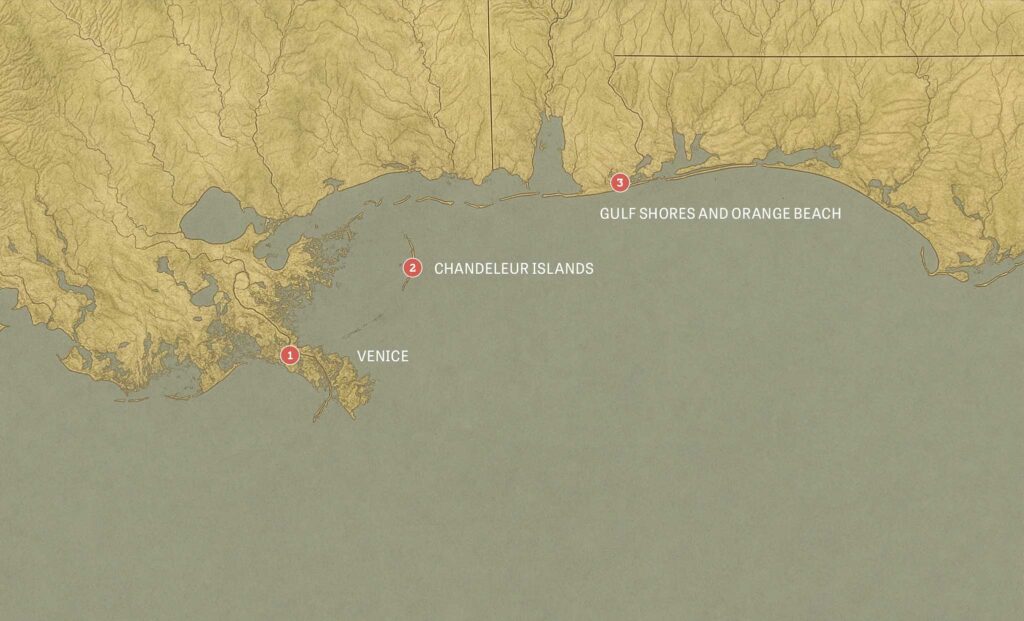
1. Venice, Louisiana
Seventy-five miles south of New Orleans, on a tenuous spit of land that parallels the Mighty Mississippi down to the Gulf, Venice is perched in the middle of the world’s best redfishing and is a launch point to world-class offshore fishing.
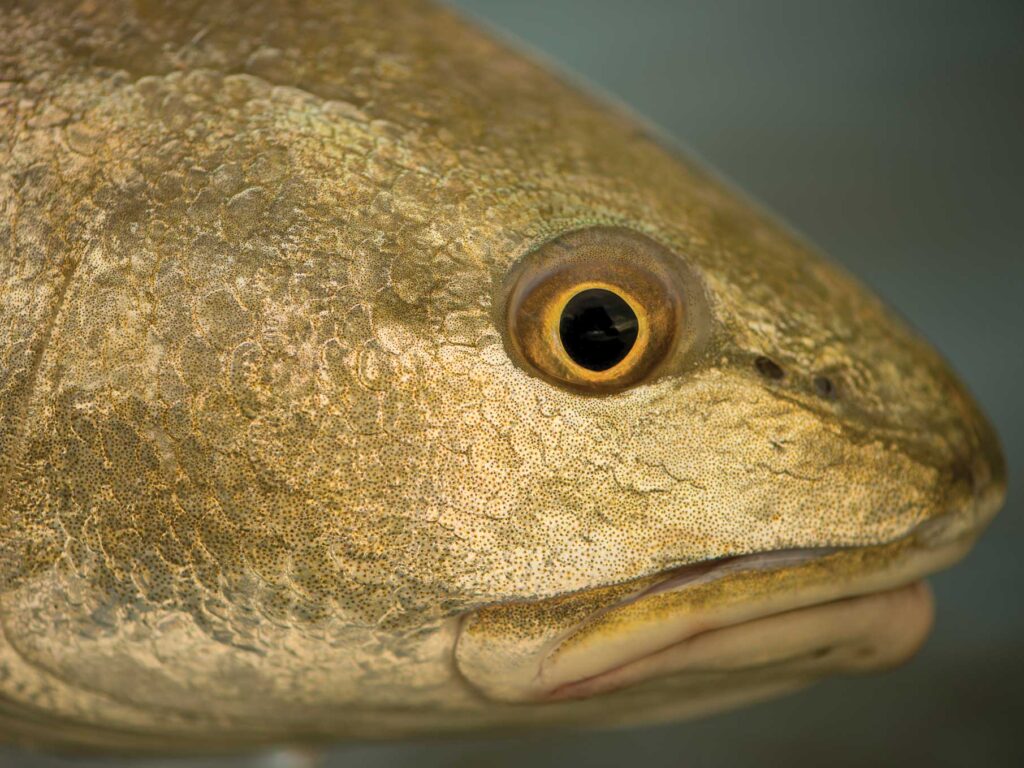
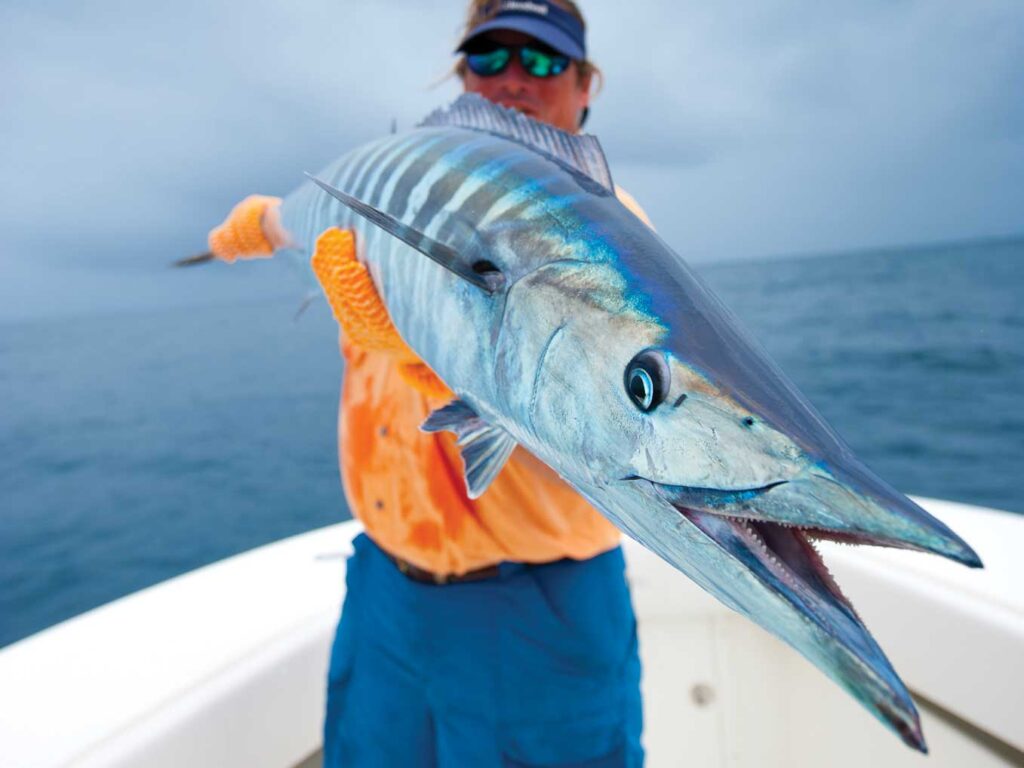
Between the famed winter bite for giant tunas on deepwater salt domes, to trolling for triple-digit wahoo around the oil rigs, to square miles of redfish and seatrout that even kayakers can access in labyrinthine bayou channels, there’s a whole lot of fishing to be done out of Venice.
If you’ve come to “the end of the world” to fish, you’re in the right place, because there’s not much else to do.
Established 40 years ago, the venerable Venice Marina is the hub of the fishing scene and a one-stop-shop for anything and everything. Lodging, boat-slips, fish processing and shipping, bait and tackle—if it’s not available at Venice Marina, you’ll probably have to do without.
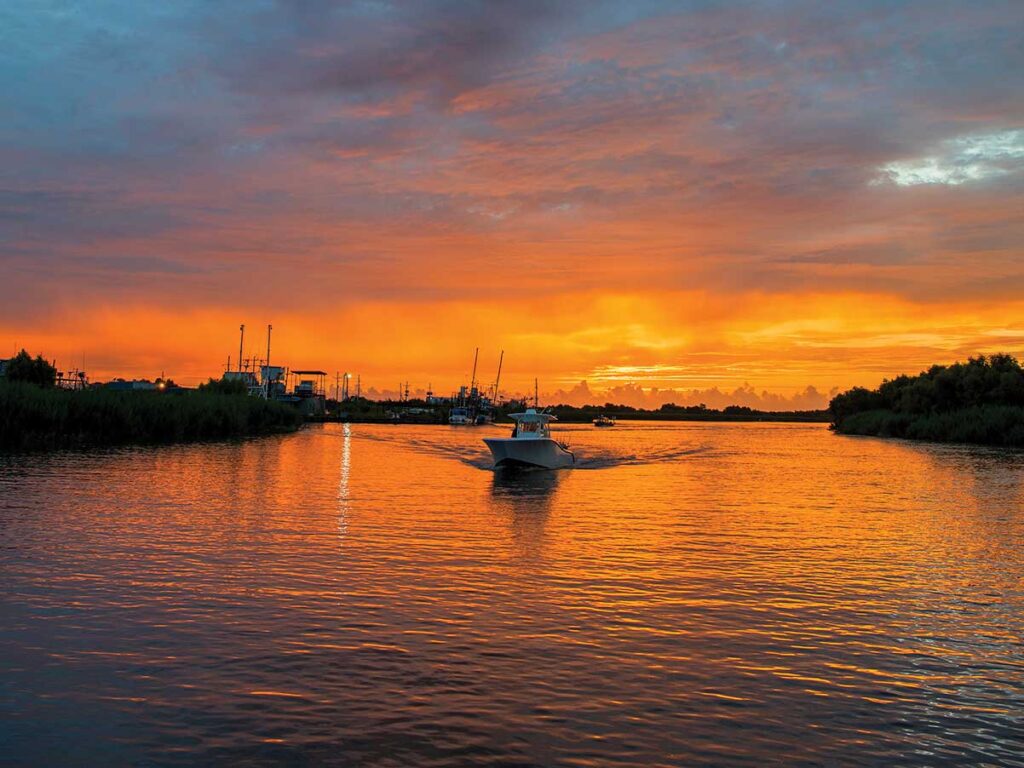
Next to the marina office, CrawGator’s Bar & Grill cooks your catch Cajun-style or brings you a burger to soak up your cold beer or cocktail. The marina is also home to most of the inshore and offshore charter fleet, as well as all-inclusive lodges, which operate out of houseboats. Go to venicemarina.com for a list of available captains.
If you’d rather stay off-sight, Lighthouse Lodge and Villas is a 62-room hotel that also has luxury villas with kitchens and screened porches. If you’d rather do something other than fish, you should probably go somewhere other than “Tuna Town USA.”
Read Next: Venice, Louisiana: Stellar Gulf-Coast Fishing
2. Chandeleur Islands, Louisiana
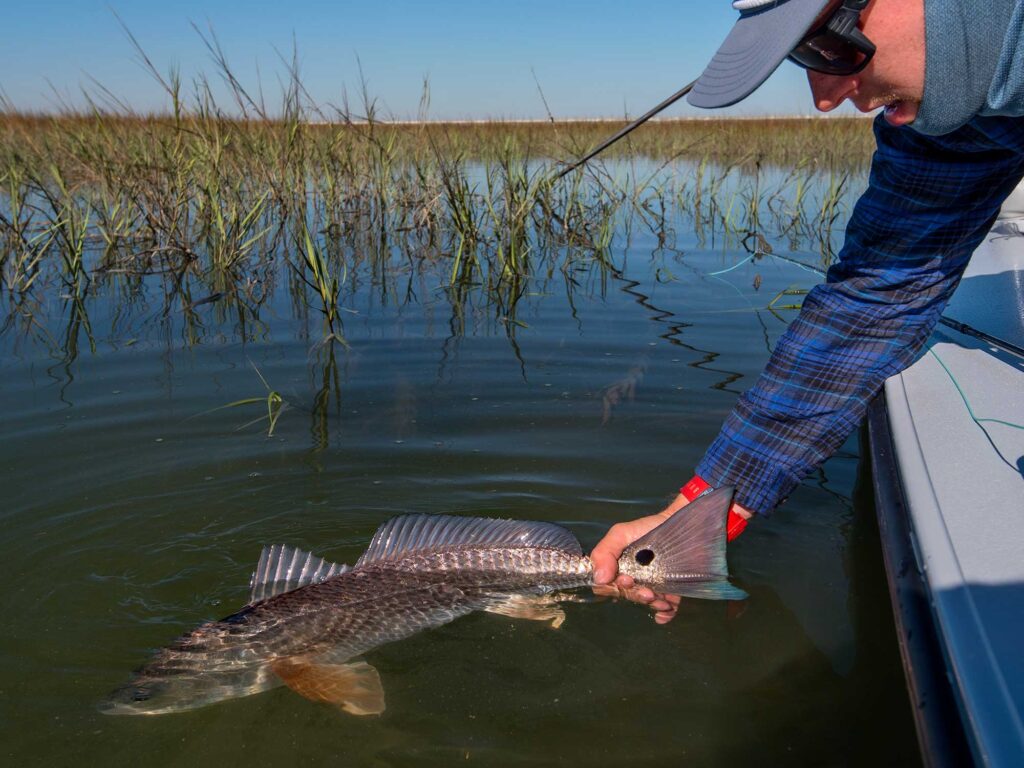
The Chandeleurs offer some of the Gulf Coast’s most unspoiled, unpressured grass flats for redfish and seatrout, and you’re going to need to park the car to get there. Forty miles out in the Gulf, this chain of three barrier islands formed thousands of years ago from sediment dumping out of the Mississippi River. The result is a 60-mile-long stretch of sand, grass and mangroves that sits in the middle of the ocean and screams inshore adventure.
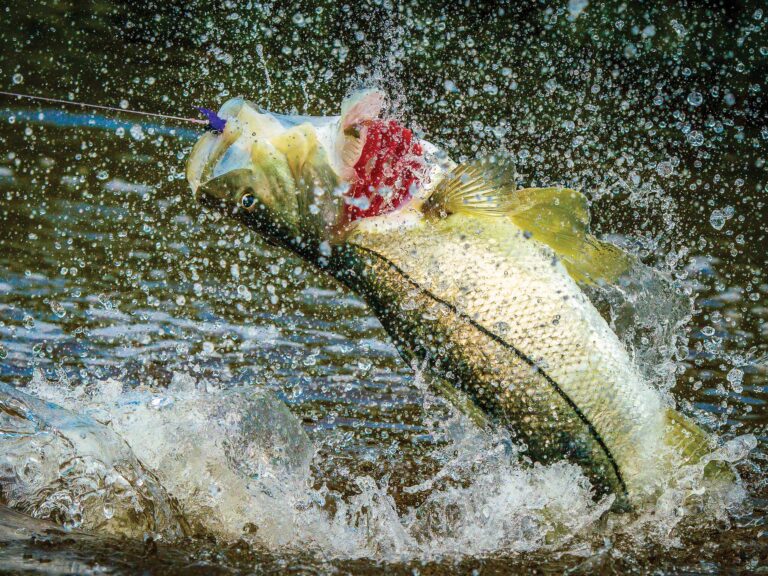
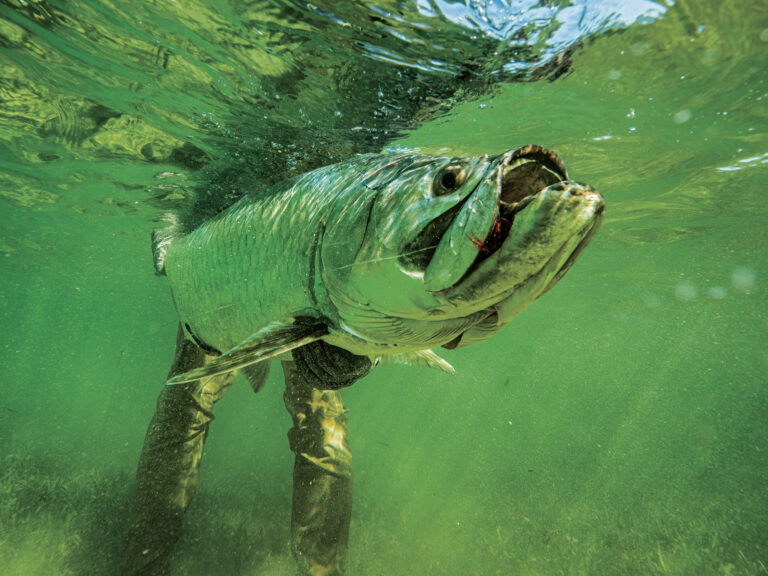
It’s been said that Chandeleur seatrout and redfish can’t tell the difference between a live baitfish and an artificial lure. If working topwater lures for surface action is your thing, do it where big reds and trout hound large schools of mullet along seemingly endless grass flats. Flounder and jack crevalle are targets of opportunity, and tarpon and cobia show up in spring.
The Chandeleurs are part of Louisiana, so you’ll need a Louisiana fishing license, but you can set out from either Venice, Louisiana or Gulfport, Mississippi. Gulfport is a shorter open-water run of about 30 miles to the islands. The closest ramp is at Pass Christian Harbor near Gulfport. On the way out, you’ll pass Cat Island, which is also home to great inshore fishing.
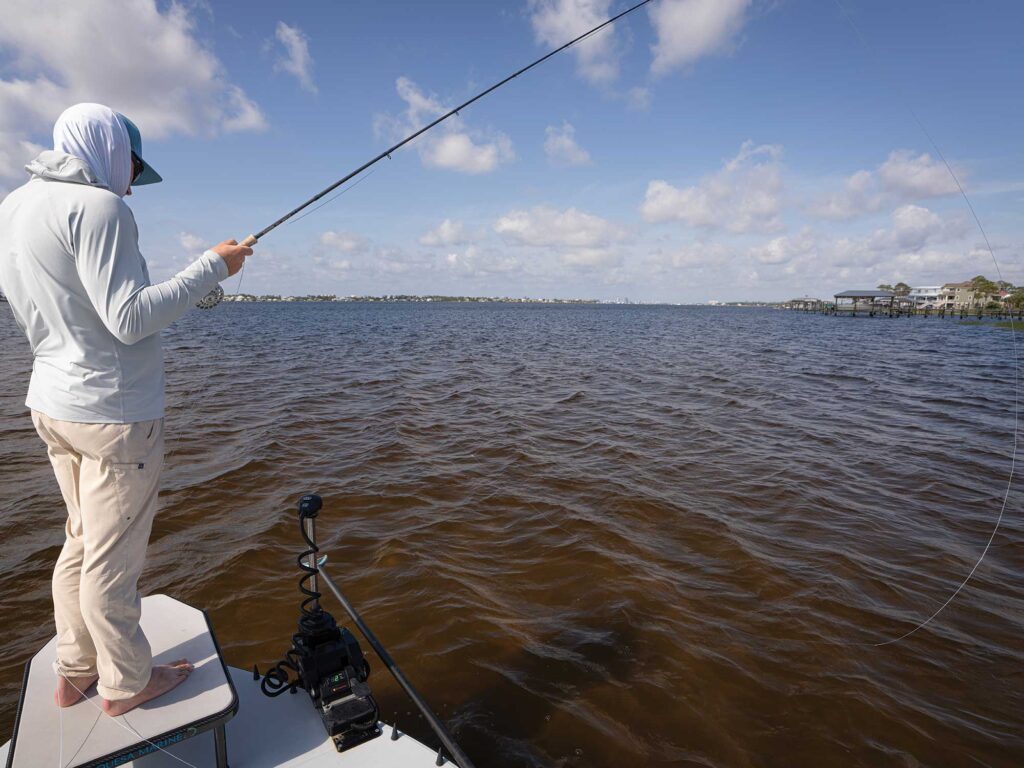
The thing about a DIY trip to the Chandeleurs is a boat suitable for making the crossing is not great for the flats. There’s plenty of wadeable water, but when you burn the time and gas to get there, you’ll want to fish a few days with the mobility of a skiff.
One option is to dock up at The Islander Lodge and rent a skiff. The lodge is a retrofitted barge that’s jacked up on stilts just off the islands. It features bunks, showers and restrooms as well as hearty meals for hungry anglers.
Many fishermen take multi-day mothership trips with operations like Southern Way Charters, which ferries anglers and small tiller-steer skiffs or kayaks to the islands. Some of these operations will tow your skiff.
A third option, and perhaps the best idea for a wading day trip, is to charter a seaplane. This can be arranged through Bourgeois Charters in Barataria, Louisiana. With an early flight, you might as well spend the night prior, shoot some pool and eat good Cajun cooking at the Cajun Vista Lodge. Before splashing down after a 45-minute flight, you’ll get to circle and scout for schools of redfish from the air.
3. Gulf Shores and Orange Beach, Alabama
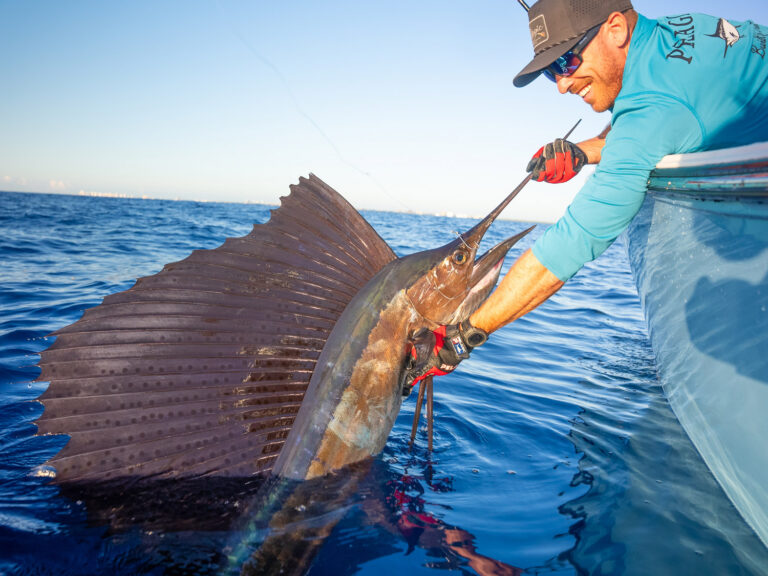
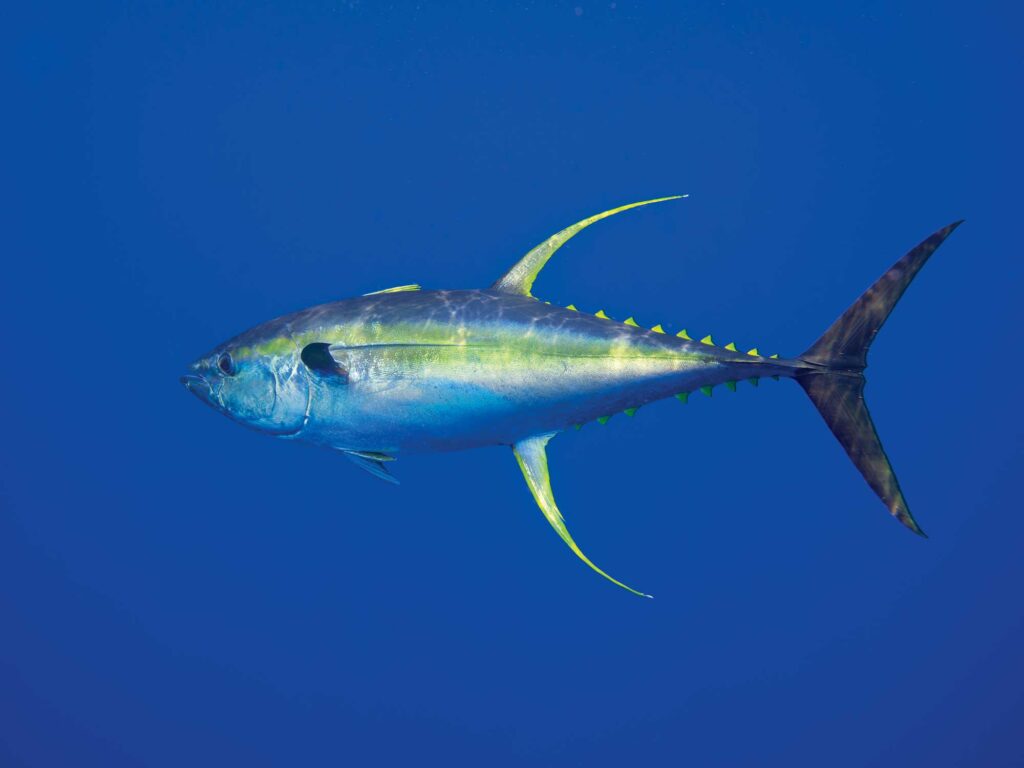
Blue marlin, yellowfin tuna, wahoo, swordfish, mahi; red, lane and mangrove snappers; gag, scamp and yellowedge groupers; sheepshead, redfish, seatrout, flounder; Spanish mackerel, cobia, kingfish, tarpon — if it swims in the Gulf and you want to catch it, pick the season and prompt Google Maps to take you to the white sand beaches of Alabama.
Separated by the Shelby Lakes just east of Mobile Bay on Alabama Highway 182, Orange Beach and Gulf Shores are the twin cities of the northern Gulf. There’s much more to do than just fishing, which makes them a fantastic destination for the family truckster.
But let’s talk about the fishing. The area is a hotbed for offshore tournaments, and the season kicks off each year with the $1 million Orange Beach Billfish Classic in May. Offshore runs are long—60 to 100 miles—to reach big blue marlin, but in summer giant yellowfin tuna, wahoo and mahi can be found as close as 35 miles offshore.
If you like to bottomfish, Alabama has put in the work on the Gulf’s largest artificial reef program. With more than 1,000 square miles of reef teeming with snappers and groupers, loading a cooler shouldn’t be any problem. There are more than 100 inshore, nearshore and offshore guides operating out of the area, so finding a good captain is not a problem, either.
Inshore, options include reds, trout and flounder in creeks and coastal rivers inside Perdido Pass and sheepshead off the rigs at Fort Morgan, but this area really shines for surf anglers and boaters fishing off the beaches. Bring a long rod to fish from shore for pompano and Spanish mackerel, or splash the boat to fish for kingfish, bull reds, tarpon and cobia. From west to east, ramps at Fort Morgan, Mo’s Landing, Cotton Bayou and Boggy Point offer good access to the beachfront.
Remember we said there’s more to do than just fishing? Since you’re in the area, don’t miss the Flora-Bama for beer, oysters and live music. This beach bar features three restaurants where billionaires and beach bums mingle, and everyone finds their inner redneck.
For more family-friendly activities, there are the beaches, the bike trails at Gulf State Park, Waterville USA waterpark, the Alabama Gulf Coast Zoo (118 species, 22 of which are critically endangered), and the civil-war-era National Historic Landmark at Fort Morgan.
More Info
What to Pack: Deep in the marsh or far offshore, it’s wise to have a form of emergency communication with better range than VHF radio. Garmin’s inReach personal locator beacon sends an SOS to rescue services with the push of a button. With a paid subscription, anglers can send texts where there is no cell signal.
Feeling Lucky? If you brought some good juju off the boat, you might win back some gas money at one of the Mississippi Gulf Coast’s 12 casinos. Gulfport, Biloxi, Bay St. Louis and D’Iberville are each home to top-tier gaming and entertainment.