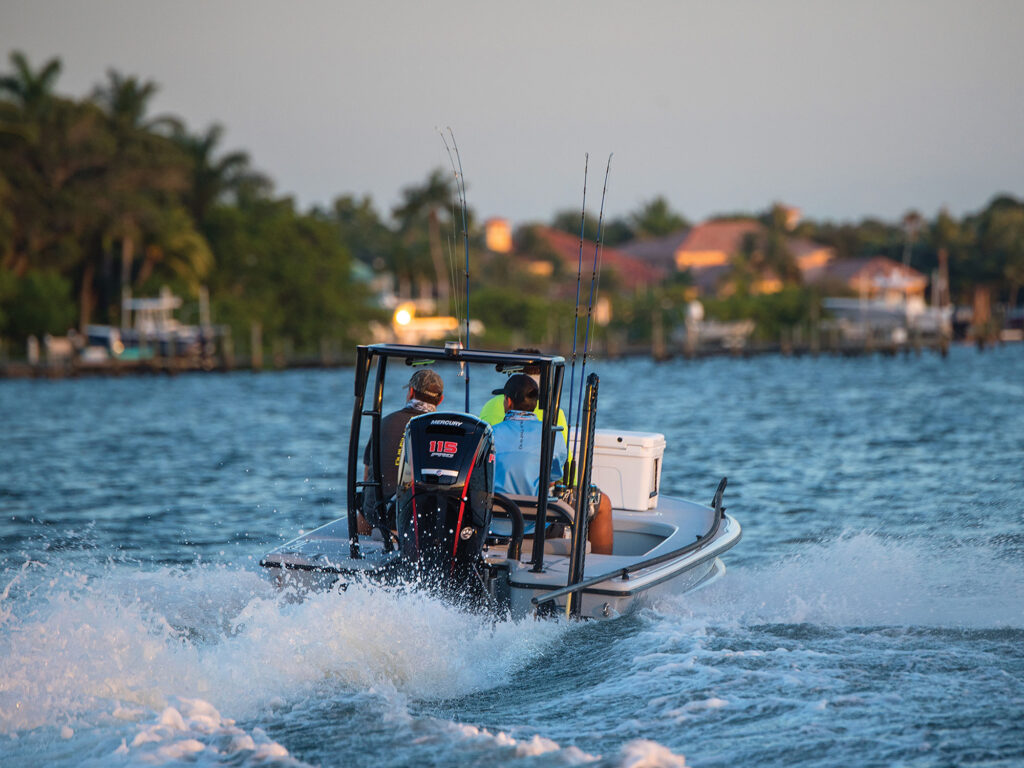
This stretch of road starts at Cape Canaveral and snakes south to Jupiter. It’s a 120-mile story that stars rocket scientists and astronauts, as well as modern-day pirates searching for gold doubloons scattered by sunken ships in 1715. A1A connects all the dots on this coastal road trip, and not even the locals can explain where the space ends and the treasure begins. Fret not: a wide range of fishing opportunities abound here, from tarpon and redfish in the Indian River Lagoon to bluewater exploits in the low-key port towns of Martin and St. Lucie counties.
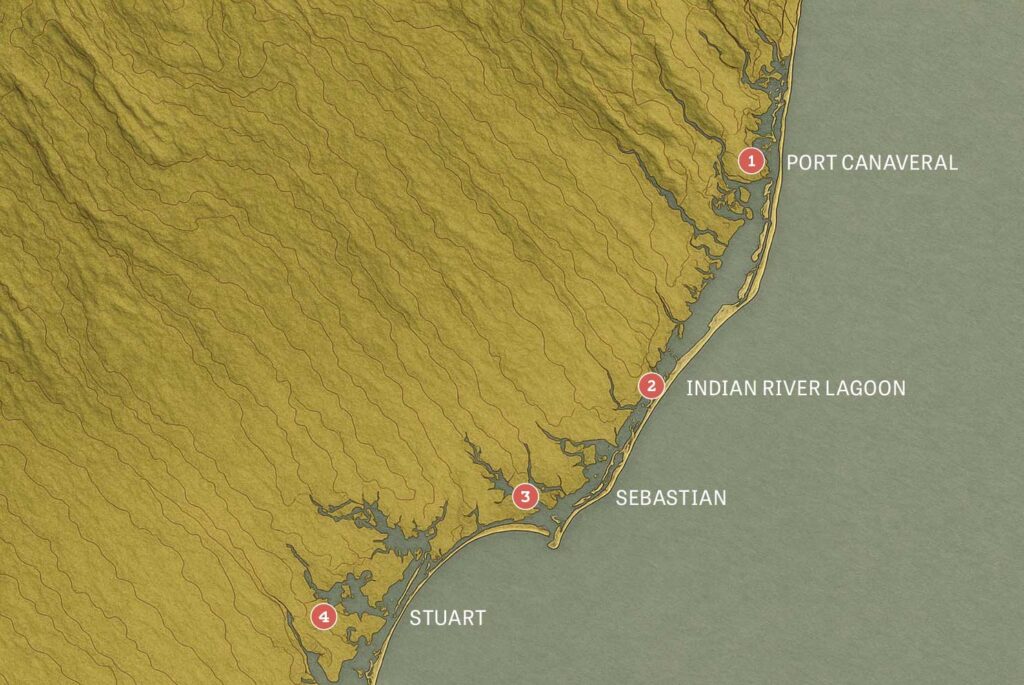
1. Port Canaveral
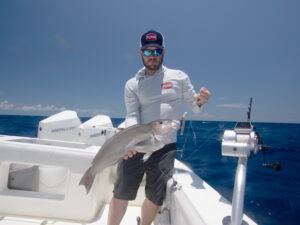
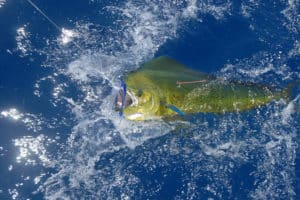
Yes, it can get crowded with sunburnt cruise shippers, and yes, the waterfront restaurants Fishlips Waterfront Bar and Grill, Gator’s Portside and Grills Seafood Deck and Tiki Bar are where many of the disembarked end up, but amidst the tourism tsunami is the launchpoint to great yellowfin tuna fishing, specifically the 130-mile run to the weather buoy on the other side of the Gulf Stream. In spring, if you can find the right weather window, and the right seas at the right intervals, you too can head waaaaay offshore to take advantage of prime yellowfin season, as well as mahi and kingfish.
Read Next: Connect With Kings on Florida’s Space Coast
2. Indian River Lagoon
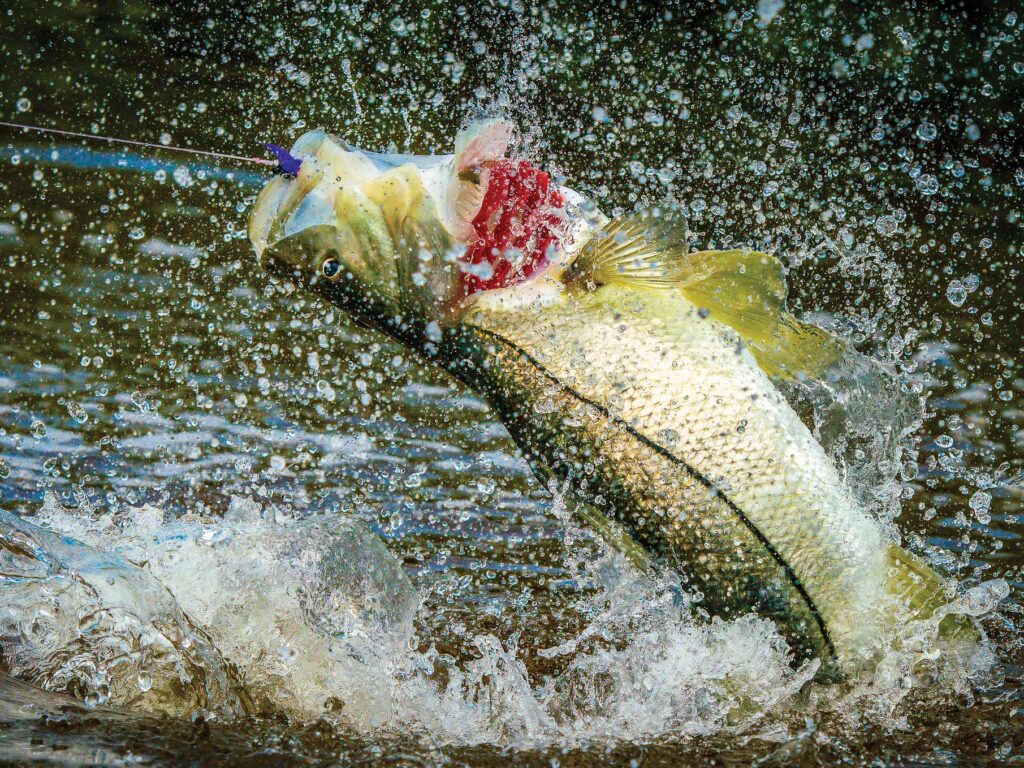
Long and slender, 156 miles from tip to tail, the Indian River Lagoon stretches from Ponce Inlet south to Vero Beach, snaking along the many barrier islands in between. The IRL contains thousands of species of plants and animals, including inshore A-listers like snook, redfish and tarpon.
Tarpon spawn in the Atlantic as far as 100 miles offshore, and their eggs are then carried into the Indian River Lagoon by ocean currents, transforming it into a nursery. And where there are juvies, there are giants. Capt. Peter Deeks of Peter Deeks Outdoors is among our favorite charter guides in the area. A native of Brevard County, he knows the spots.
Celebrate the day’s catch at Intracoastal Brewing, just up the hill from the Indian River in Melbourne’s Eau Gallie Arts District. There’s a rotating selection of brews, plus a beer garden to take in live music and live tiki statue carvings.

3. Sebastian
Capt Hiram’s Resort is the area’s central fishing hub. It offers quick access to the Indian River and Sebastian Inlet and features hotel accommodations, a marina, a parking lot with plenty of truck and trailer storage, and a waterfront restaurant.
Outside the inlet and along the beach, the most exciting nearshore opportunities revolve around natural phenomena. The first is the fall mullet. Every year, beginning in September and running well into November, mullet by the millions pour out of the rivers, bays and estuaries along the Atlantic Coast. Where they’re going, and when, is anyone’s guess. But run they do, and the resulting mayhem of predators (mostly tarpon and redfish), bait and angler excitement must be witnessed to be believed.
The second is cobia-manta ray action in the spring. When the water temperature hits the sweet spot – between 68 and 72 degrees Fahrenheit – the mantas migrate north, filter feeding on the phytoplankton and zooplankton that baitfish prefer. Cue the cobia, who follow behind as the mantas stir up the plankton and baitfish. It’s sight-casting at its finest, as you cast topwater lures, subsurface plastics and bucktails to cobia as the rays glide past.
We recommend father-and-son duo Glyn and Jesse Austin of Going Coastal Charters, who have fished these phenomena for years.
4. Stuart
In Stuart, winter means an influx of snowbirds and a boost of activity along the sleepy port town’s trendy boulevards. For light-tackle enthusiasts, it means snook hunkered down in sheltered canals and mangrove sloughs west of A1A.
But once tax season shifts into full panic mode, everything changes. Those same snook are pulsing toward the area’s inlets to gobble down a buffet of bait, which makes spring the premier season for linesiders.
“March and April are two of my favorite months of the year,” says Capt. Ed Zyak, a native guide and inshore expert. “Snook are transitioning from their winter haunts in the back bays, moving into open water and feeding aggressively. Throwing topwater lures is a great way to catch them, oftentimes all day long. Watching a snook flare and blow up on a plug is awesome.”
Ideal conditions align once the water temperatures settle into the mid-70s range, with warm, light southeast winds.
More Info
Charter Guide Recs
Incentive Charters, Sebastian. Capt. Bruce Alcock has the very first slip at Capt. Hiram’s because he’s the marina’s flagship charter operation. incentivecharters.com
Down Sea Charters, Vero Beach. Inshore, offshore, nearshore, spin and fly: Capt. Sam Atwell can do it all. downseacharters.com
Capt. Mike Holliday, Stuart. Specializing in fishing inshore, offshore and along the beaches. captmikeholliday.com
Know Your Seasons
Snook is closed June 1 until August 31 in the Indian River zone, which includes Stuart, Jensen Beach, Fort Pierce and Vero Beach, and again from December 15 until January 31. Catch-and-release fishing is allowed during the closed season. For the latest snook rules, visit myfwc.com or download the agency’s free smartphone app.