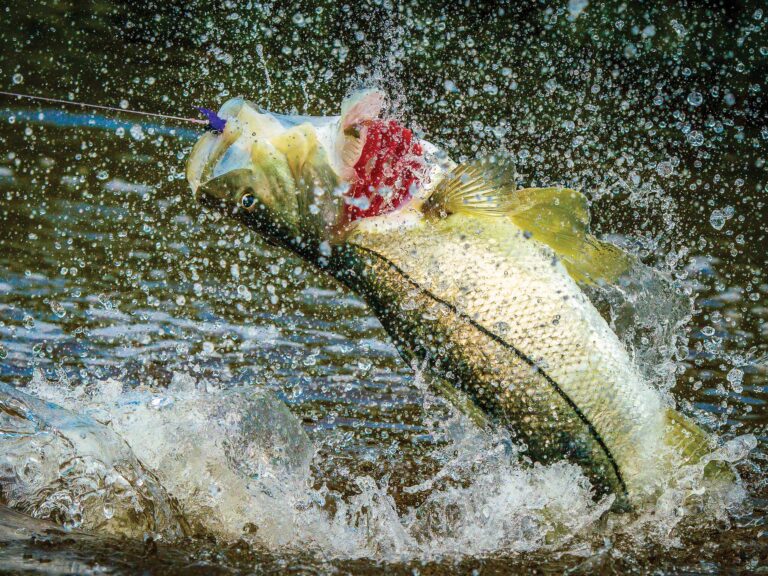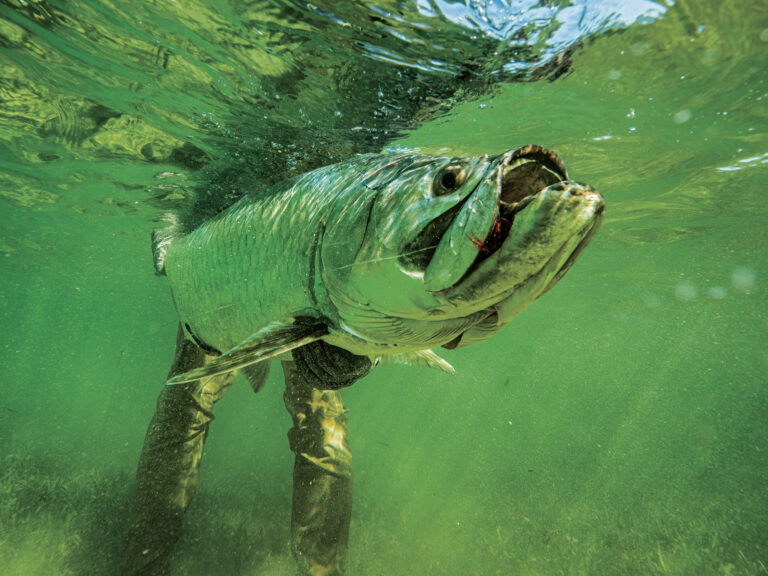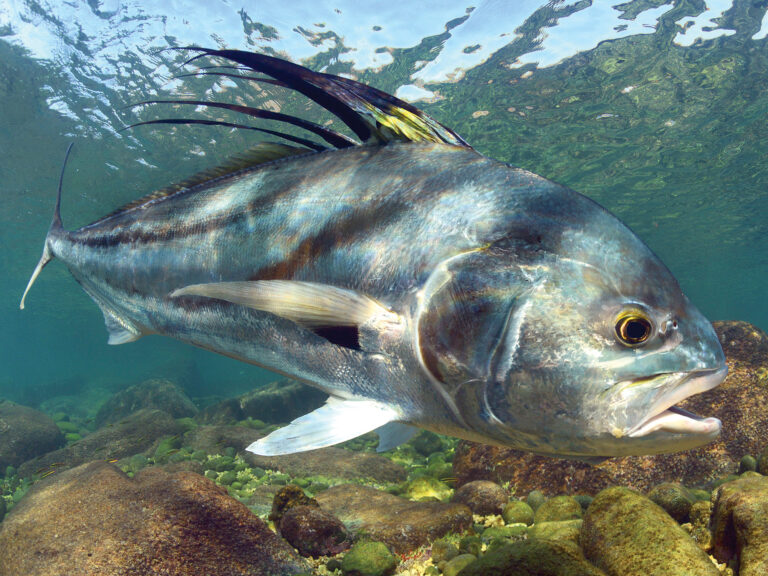

Watch the morning push through Ocean City Inlet, and you’ll understand what makes this fishery work. Kayaks are already sliding into the marsh creeks behind town. Skiffs drift the back bays with flounder rigs down. On the jetties, guys lean into the incoming tide with bucktails. And out front, the big boats point their bows east toward the canyons, diesels humming as they clear the cut.
It all funnels through one inlet, on one stretch of Maryland coast. That concentration is the point. Ocean City sits where the Mid-Atlantic fishery stacks up in layers, from tidal creeks to the continental shelf, and you can fish every one of them from a single home base.
The Mid-Atlantic Sweet Spot
This stretch of the East Coast has always delivered quality fishing. The continental shelf runs close enough here that named canyons –– Baltimore, Poor Man’s, and Washington –– come into realistic range for day trips. Where cooler water from the north meets the Gulf Stream’s warm influence, bait concentrates. When bait stacks up, everything else follows.
The result is a season that rotates through the calendar instead of shutting down. Spring brings the first offshore opportunities and strong inshore action. Summer peaks with billfish, tuna, and mahi, while keeping the inside bite hot. Fall delivers some of the best jetty and wreck fishing of the year as migrating fish push through.
The currents and baitfish movements that make the canyons so productive work their way inshore. The flounder in the back bays and the stripers on the rocks all benefit from the same system.
At the same time, Ocean City sits within a few hours drive of a major population corridor. This easy access opens up the opportunity for shorter, more frequent visits, making Ocean City a sweet spot for people too.
Fishing the Inside Water
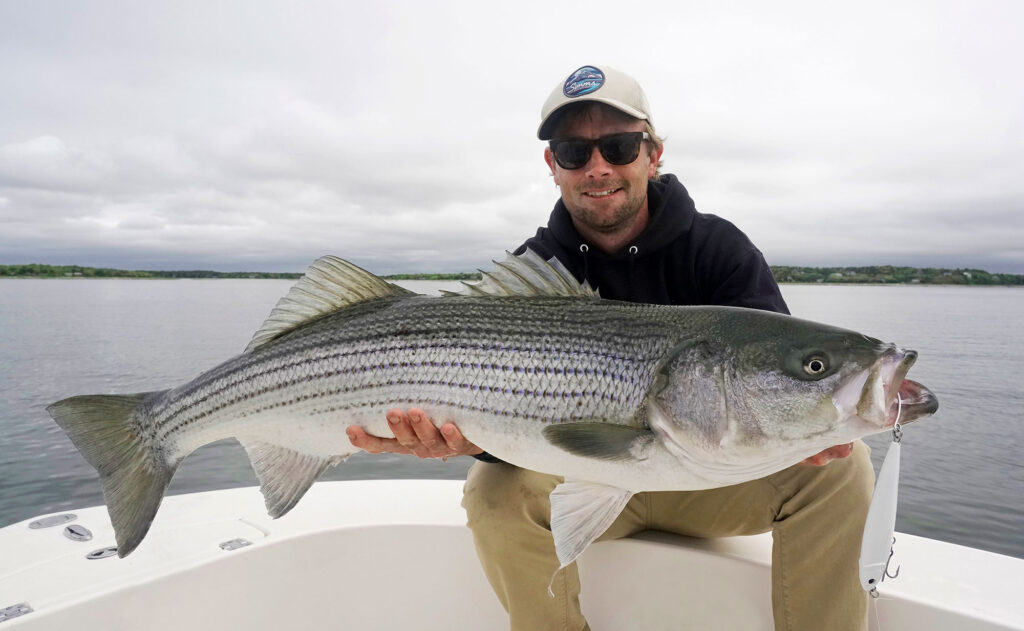
Ocean City’s fishery starts well before you see the Atlantic. The tidal rivers and marsh creeks behind town fish like classic Mid-Atlantic backwater. Kayakers and small boat anglers work these systems for schoolie stripers, speckled trout, and puppy drum. It’s technical fishing that rewards local knowledge, light tackle, and an understanding of tidal movement.
The back bays step it up. Isle of Wight Bay, Assawoman Bay, and Sinepuxent Bay offer room to drift for flounder or cast around bridges, channels, and drop-offs for stripers and bluefish. This is where a lot of families and newer anglers cut their teeth, but it’s far from easy fishing. Reading structure and timing the tides matters just as much here as it does anywhere else.
The Inlet and Jetties
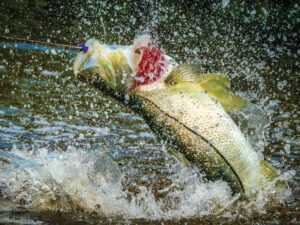
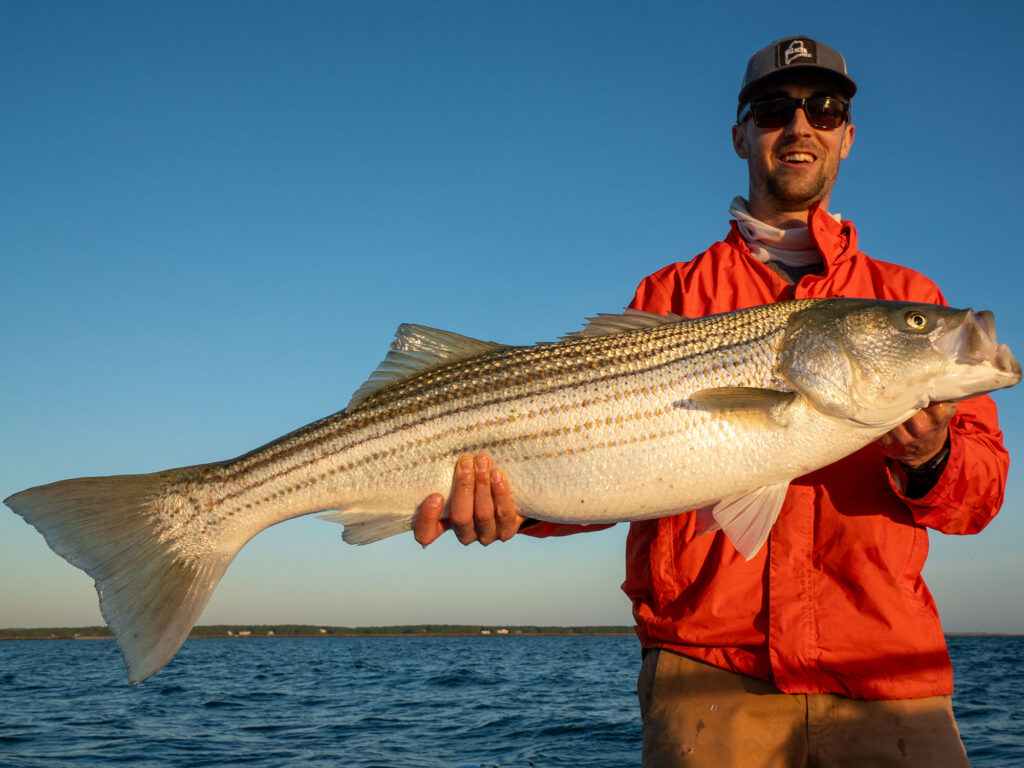
The inlet is the choke point. Everything moving between the bays and the ocean passes through here, which makes it one of the most productive stretches of fishable water on the coast. The jetties create current breaks and structures that hold stripers, bluefish, tautog, and sheepshead depending on the season.
Shore-based anglers have a legitimate shot here. Casting from the rocks puts you in the game without needing a boat. Night fishing under the bridge lights and inlet glow brings its own action when bait balls up in the current. There’s a community feel to the jetty scene, the kind of fishing where everyone’s in it together and information moves fast.
Nearshore Wrecks and Structure
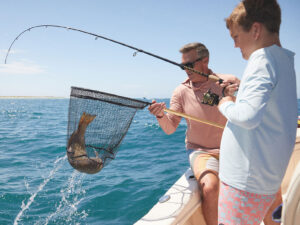
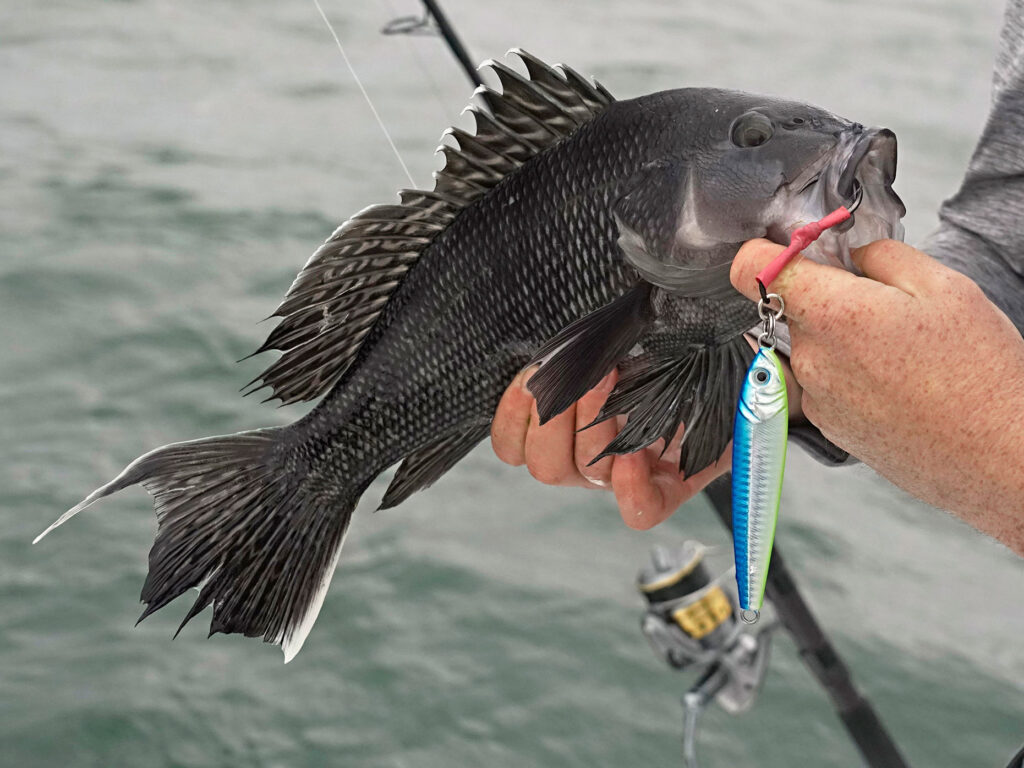
A short run off the beach puts you on wrecks and artificial reefs holding sea bass, flounder, and tautog. Depending on conditions and season, you might find cobia or drum cruising through. This is the middle gear of the Ocean City fishery, the zone where half-day and three-quarter-day charters live.
It’s a solid option for mixed groups, families, or days when the canyons are too rough to fish comfortably. You still get real ocean fishing without committing to a long run. The headboat and charter fleet stays busy here for a reason.
Canyon Fishing and Big Game
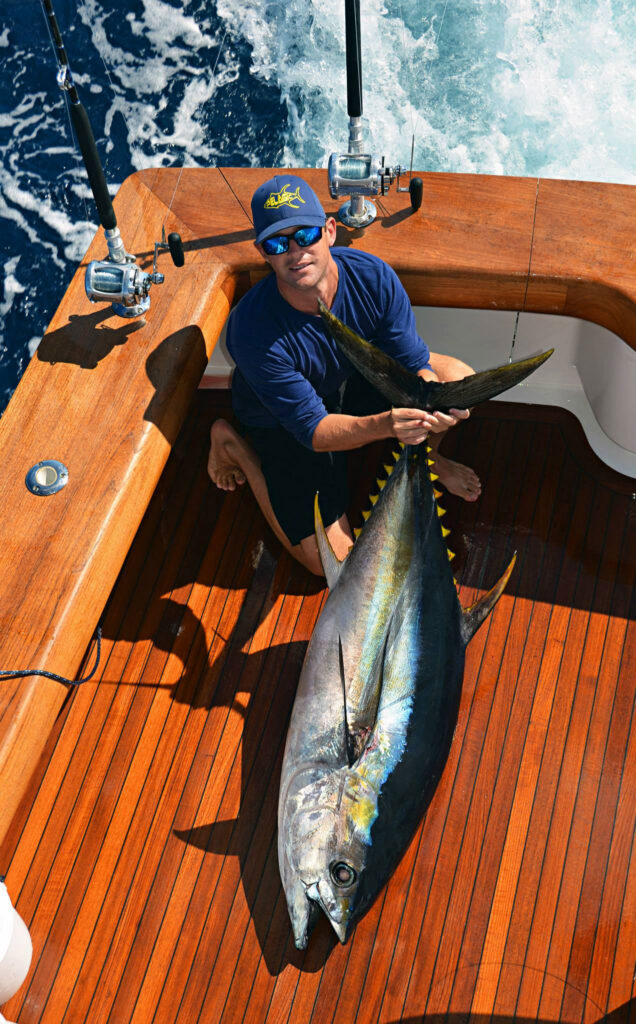
Ocean City earned its offshore reputation the hard way, over decades of serious billfishing. The White Marlin Open, the largest and richest billfish tournament in the world, runs out of here every August. That alone tells you what the fishing looks like when conditions align.
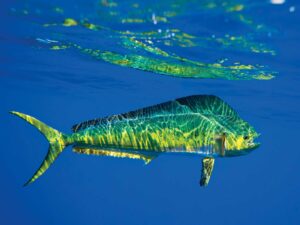
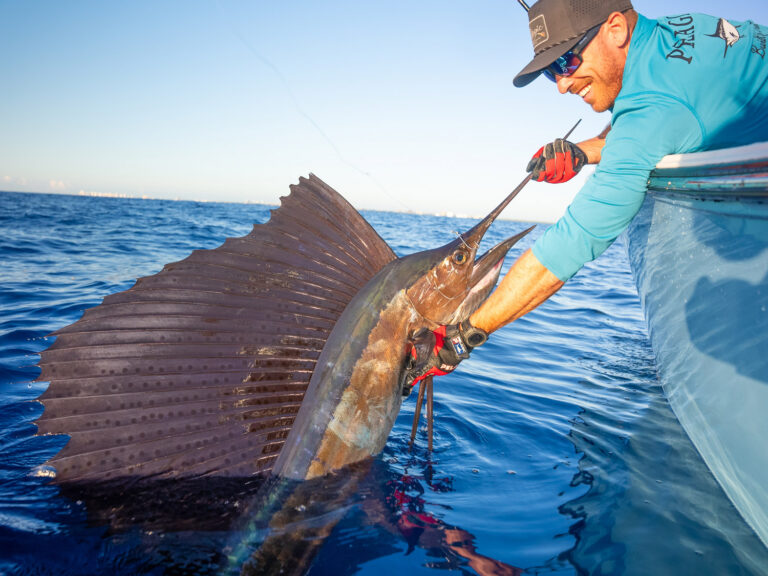
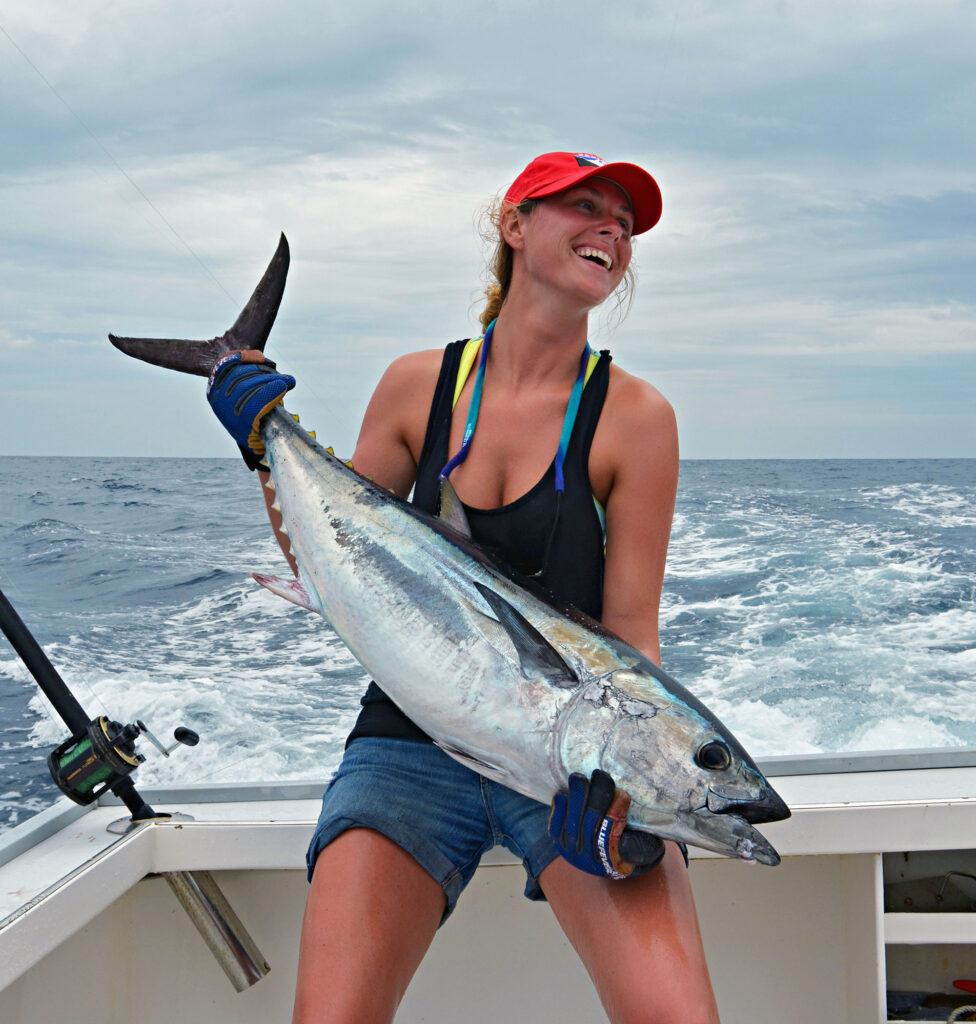
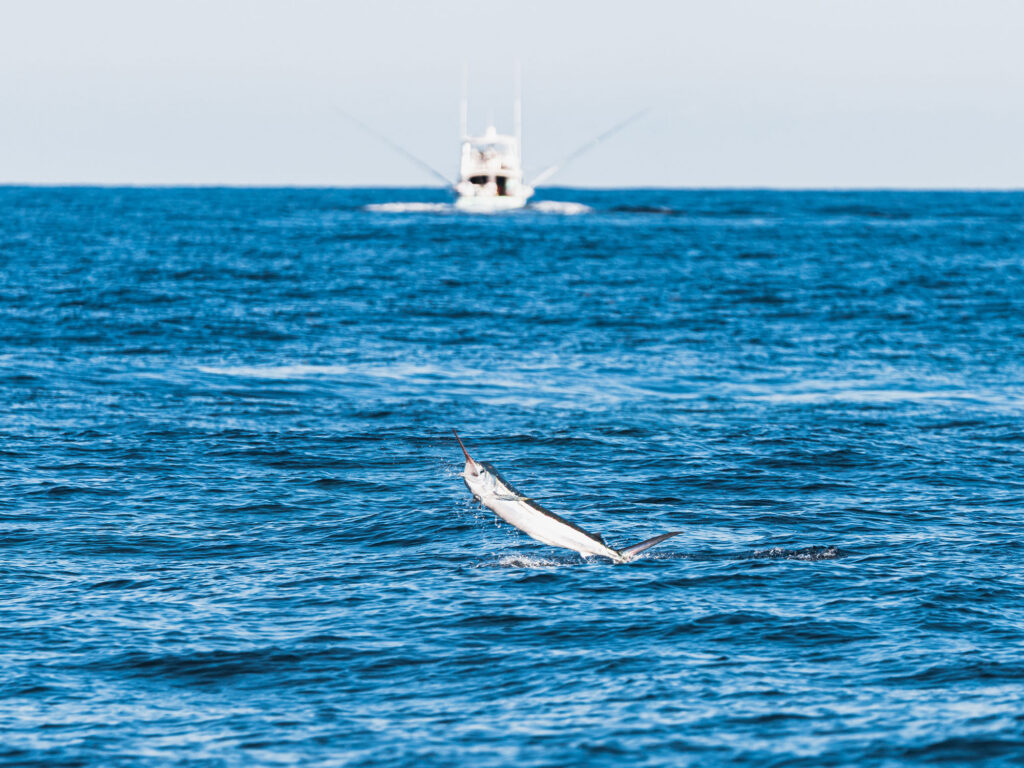
The canyons are close. Baltimore Canyon, Poor Man’s Canyon, and Washington Canyon are all within reach for day trips, and the target list reflects that access: white marlin, blue marlin, yellowfin tuna, bigeye tuna, mahi, wahoo, and swordfish. The town still carries the “White Marlin Capital of the World” title because it continues to produce.
Infrastructure matters when you’re running serious offshore programs. Ocean City has purpose-built marinas like Sunset Marina, the Ocean City Fishing Center, and Bahia Marina, along with a fleet that ranges from tournament-level sportfishers to smaller charter operations. When you pull in from a canyon trip, you’re docking in a town that understands exactly what you just did. This is where Ocean City’s reputation shifts from good fishing town to legitimate big-game destination.
A Fishing Town That Works for Everyone
The layered fishery is the main draw, but Ocean City functions as a complete destination. The three-mile boardwalk delivers the classic East Coast experience. Rides, arcades, food stands, bars, and people-watching fill the gaps between trips. The beach is wide, guarded, and big enough that crowds spread out.
The event calendar runs year-round. The White Marlin Open anchors the summer fishing season, but Winterfest of Lights, car shows, bike weeks, and air shows keep the town active when the weather turns. Dockside restaurants let you eat what you caught a few hours earlier, and the food scene ranges from dive bars to upscale restaurants.
For groups that include non-anglers or angler-golfers, the area offers 17 championship golf courses.
The practical effect is simple: it’s easy to sell an Ocean City trip to the entire group. Anglers get access to a fishery that runs from tidal creeks to offshore canyons. Everyone else gets a functioning beach town with enough to do when the rods are racked. That balance is why people keep coming back.
Click here to start planning your trip to Ocean City.