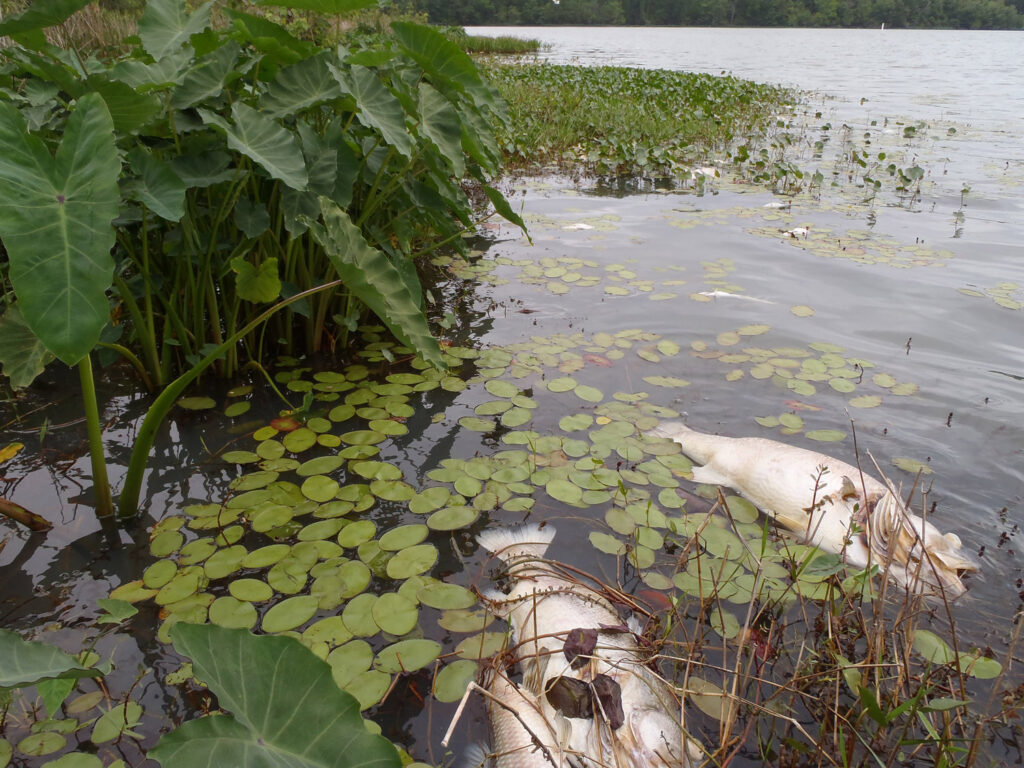
As many of us are digging our way out of the snow and ice from winter storm Gianna, fisheries biologist and anglers alike are worried about the impact that record-breaking cold could have on our estuarine sportfish populations.
Saltwater fish are limited in range by their temperature tolerance, and many species struggle with the cold at the northern end of their natural range. Fishermen in Florida are keeping their eyes peeled for a number of species that are susceptible to these cold events, including highly popular and economically valuable subtropical species like snook and tarpon.
Farther north in Virginia and the Carolinas, anglers are finding speckled trout and redfish have been hit as well. It is clear there is concern as people begin to venture back out and report what they are experiencing firsthand.
While it is too soon yet to determine the full impact of the recent cold events, I checked in with some trusted contacts to get a firsthand account of what they are experiencing and what they expect long term.
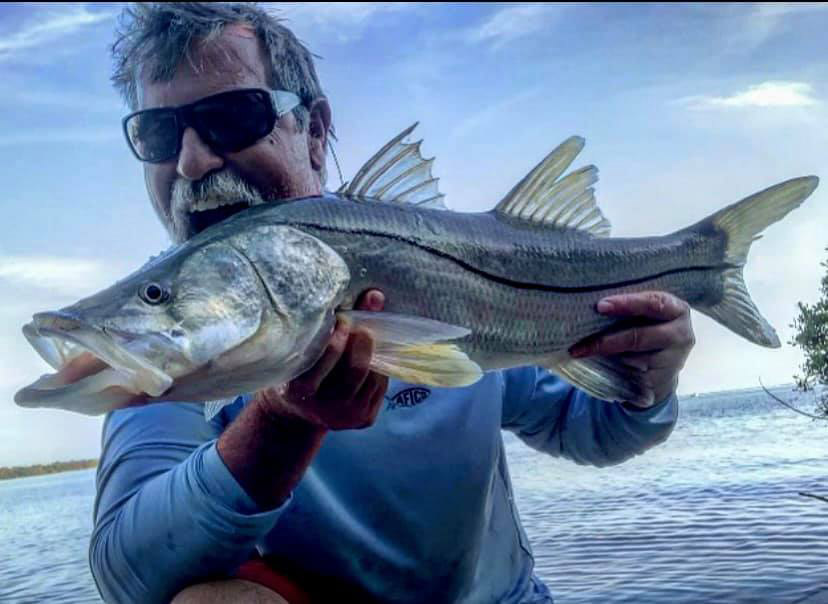
Winter Storm Kills Tarpon and Snook in Florida
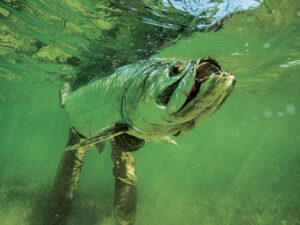
Florida Fish and Wildlife Conservation Commission (FWC) biologist Kelly Richmond has been fielding calls from anglers out on the water all week. She has had over 60 public reports filed over more than 20 counties so far and expects to see those numbers rise as more people get out on the water. Early indicators appear as if tarpon and snook have been hit hard, as well as the exotics like peacock bass.
Based off of previous cold kills like the one in 2010, she believes the impact will be significant but hopefully not as bad as 2010. FWC conducted numerous projects following that event, and while it had a major impact on Atlantic Coast snook, which suffered some level of mortality from the cold kill, a significant proportion of reproductive-sized fish survived to spawn.
Richmond said that five years later there was noticeable recovery. Ten years later, we were experiencing an amazing fishery again with lots of big snook from the beaches to mangroves. While concerned, she reminds us this is not a new patten, but certainly one we should be aware of as we consider our impact as anglers on an already stressed population.
Richmond encouraged anglers to continue reporting what they see over the next couple of weeks. It often takes time for the fish to come to the surface.
Florida angler James Bowman echoed those comments and concerns. Bowman has made a name for himself targeting big snook in Central Florida. He saw firsthand the slow steady recovery of several species near his home on the Space Coast.
“In 2010, the snook population took a hit, but starting in 2013 we saw the first signs of a rebound,” Bowman said. “From 2015 to 2025, action has been great again. It just took four or five years for the new recruits to have a chance to grow.”
Research shows that snook reach 15 inches in length in their first year and then grow approximately 3 inches per year for the first couple of years. Thankfully it doesn’t usually take long for the population to recover.
“You just have to hope it’s a periodic disturbance; nobody wants to see another event like this anytime soon,” Bowman said. “But it’s part of a process that repeats over time.”
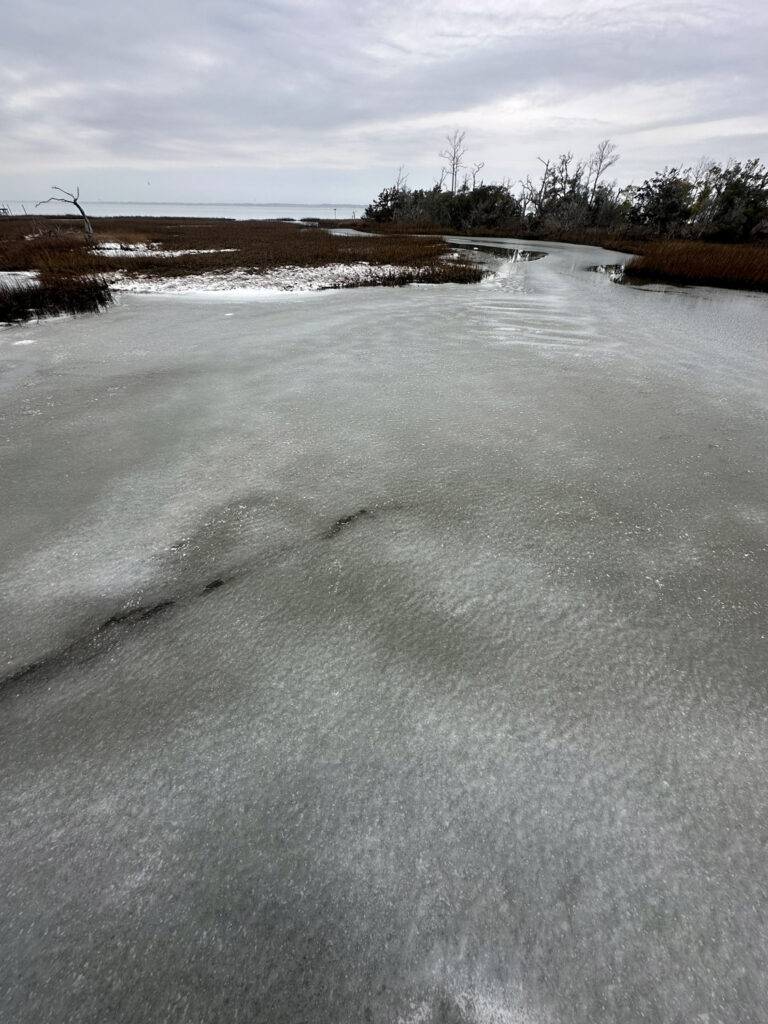
Seatrout Suffer in Winter Storms
Up in Carolinas, Virginia and Maryland, anglers are experiencing similar circumstances during the initial assessment following the freeze. One of the most significant factors impacting speckled trout at the northern end of their natural range are these periodic cold events.
Albemarle-Pamlico National Estuary Partnership (APNEP) Fisheries Biologist Tim Ellis has been studying the population dynamics of spotted seatrout in North Carolina and Chesapeake Bay for more than 20 years. While his research indicates that major cold events can have a significant impact on the overall population, Tim reminded me that it’s not necessarily a doom-and-gloom scenario.
He said temperature and exposure time are key factors. Like snook in Florida, a significant percentage of the reproductive population will move into more consistent nearshore waters along the surf or into deep-water coastal creeks to ride out the cold. When we have a major system with a lot of snowfall, the snow melting and running off into the creeks can cause problems for the fish that went upriver.
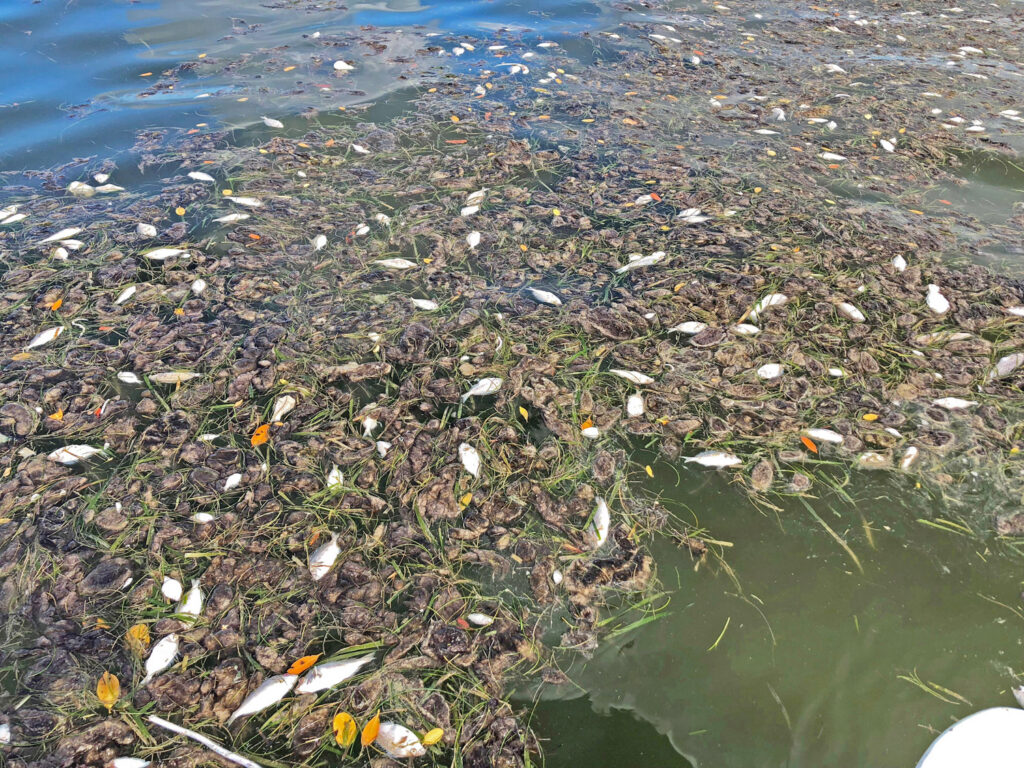
Redfish, Mullet and Black Drum Impacted in North Carolina
Capt. Jeff Cronk has seen it all play out before. He grew up in a commercial fishing family in North Carolina, so he has generational knowledge to fall back on when assessing the impact of cold conditions. Back in the day after a storm like this, everyone would go out and gather fish for the community to eat.
He noted that while a lot of the fish are stunned, not all of the fish die. Many sit on the bottom and ride out the cold, conserving energy in a lethargic state. Cronk has found that freshwater runoff from large-scale snow events can be especially brutal, as the cold fresh water sinks to the bottom where fish retreated.
Cronk has been out searching with his fishing partner Capt. Rick Patterson, and they found multiple species have been impacted around Swansboro, North Carolina including redfish, mullet and black drum. The big schools of reds that form in winter typically make it out of the inlet in time, but singles that hang back in the estuary often get caught on the flats. As usual, there seems to be safety in numbers.
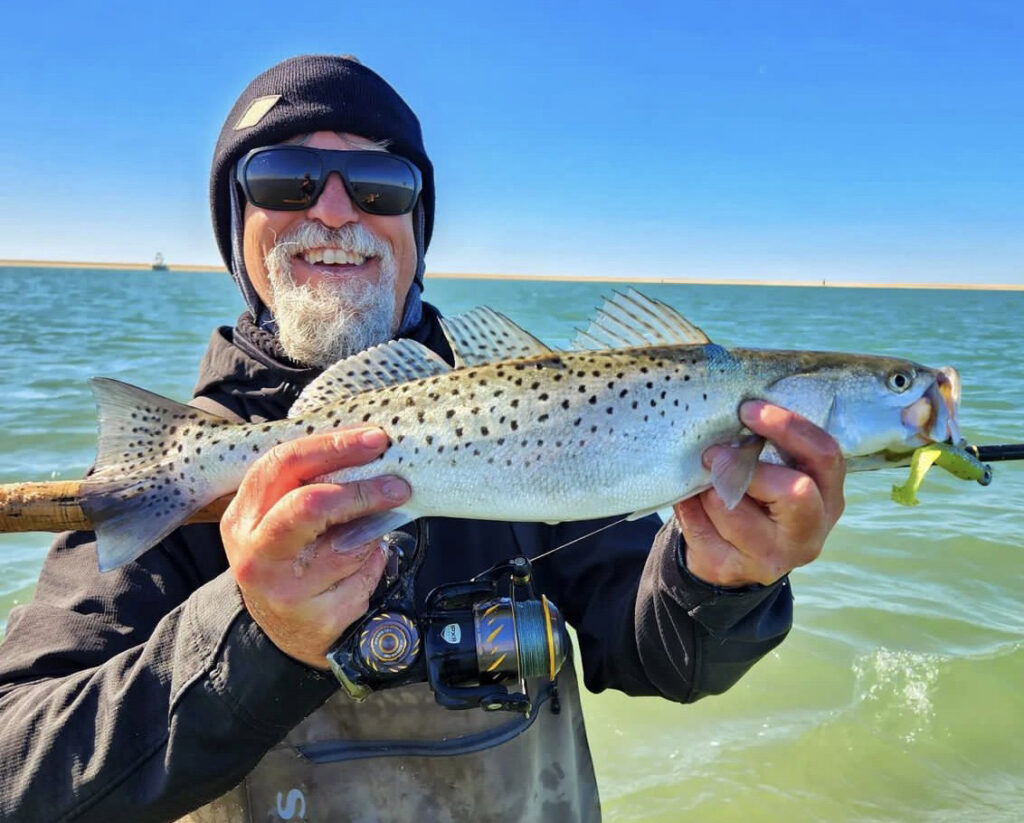
Cold Weather Fish Kills in the Mid-Atlantic
Farther north, avid trout angler and retired Virginia Marine Resources Commission staffer Keith Nuttall has seen these patterns play out for over 50 years. He grew up fishing for trout in Virginia and Maryland and has witnessed several major cold events that have impacted fishery, including major kills in 1977 and 2014.
While it’s well documented that these periodic natural disturbances have an impact on the population, Nuttall reminded me that history proves seatrout are very resilient survivors. While it takes time, because of a trout’s protractive spawning patterns, they start recovering within a couple years.
There is also evidence that the seatrout that survive are somehow capable of producing more offspring in subsequent years following a cold-kill event. After the cold kill in 2014, coastal North Carolina and Virginia experienced a spike in 10- to 12-inch speckled trout. Nuttall said there is plenty of research that supports seasonal closures to protect the remaining breeders through the spring and early summer spawn. Nuttall emphasized that as valuable as the recreational fisheries is, it only makes sense to be proactive.
As we move into the first week following this historic storm, clearly, we are still early in the process as the ice is still melting. But there has been a lot of speculation online from the doom-and-gloom crowd. As data continues to come in and management efforts are put into place, history will prove 2026 to be a significant cold winter season that had a marked impact on our estuarine fish populations up and down the Atlantic Coast. The good news is these fish all have instinctive behaviors that allow enough breeders to survive and repeat the cycle. Hopefully the next couple of winters winter won’t be quite so brutal.