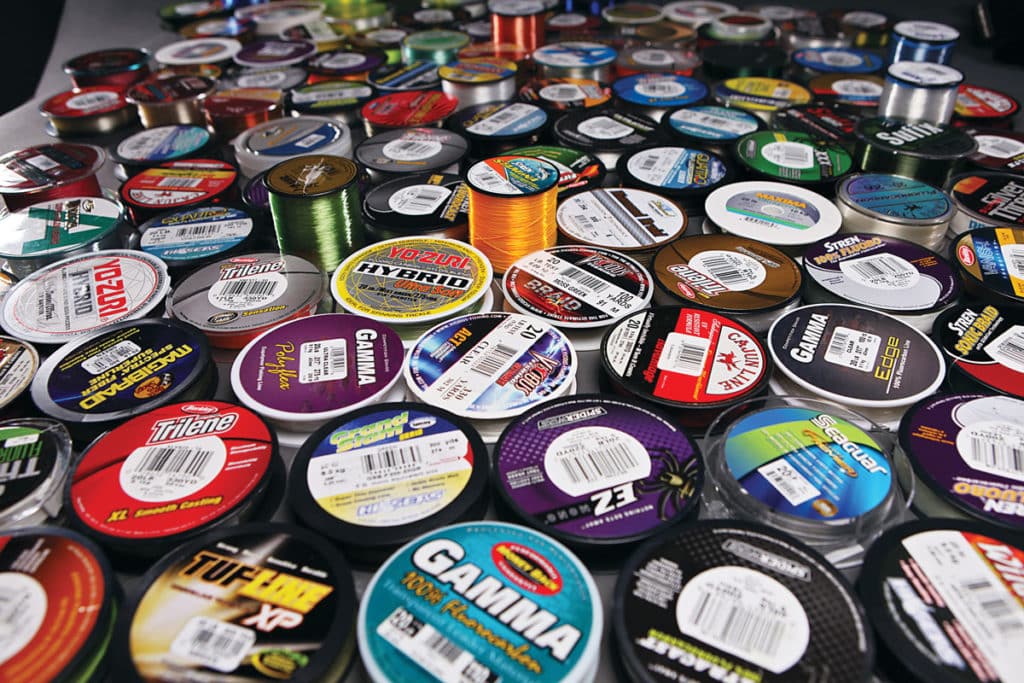
Deciding when to use braided fishing line vs. monofilament fishing line might seem intuitive in most cases. But while one pro advocates braided line for all bottom fishing applications, another says braid inhibits bites in clear water, even with a fluorocarbon leader. One says monofilament offers more abrasion resistance; another says braided line does.
As usual — easy ain’t easy in the braid vs. mono equation. And questions like “why use braided fishing line” or asking “when to use braided fishing line” all of a sudden becomes a lot harder to answer. Most fishing pros agree on the following basic generalizations for the best fishing line in specific situations — with a few caveats:
- Trolling: mono
- Live-bait fishing: mono
- Kite-fishing: mono
- Bottomfishing/jigging: braid
- Fishing structure: braid
- Casting plugs/lures (especially with spin tackle): braid
- Fishing kelp: braid
When to Use Braided Fishing Line
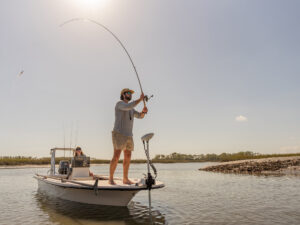
Redfish tournament pros often use braid because it doesn’t stretch yet improves casting distance. A lot of fish on shallow flats, in places such as Florida’s west coast, remain spooky and wary. Anglers need to cast as far as possible so the bait stays away from the boat. With a bait that far away, the taut, no-give braid can better drive home the hook point.
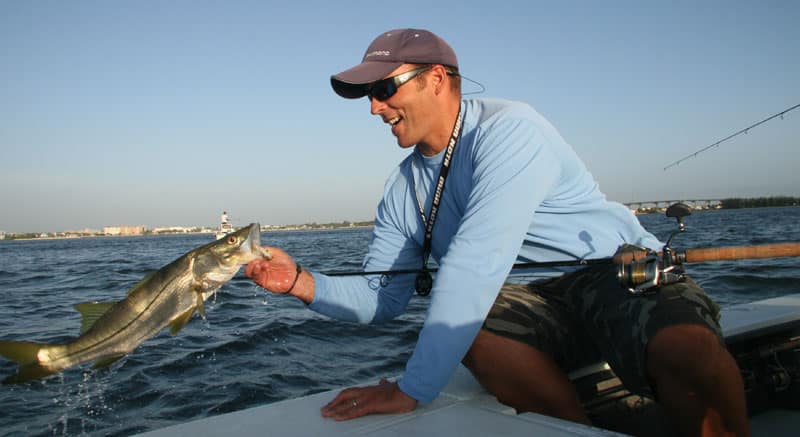
Just how much farther braid casts remains debatable, but its smaller diameter compared with mono means it flies through the air and cuts through water more easily.
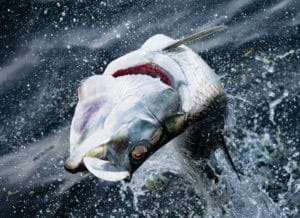
When is the best time to use braided fishing line? Lighter braid in the 10-pound class works well on open flats. Switch to heavier braid — 40- to 50-pound — reels when fishing around structure such as mangroves. The stronger braid allows anglers to pull fish from structure quickly where mono might give the fish time and distance to wrap a few roots.
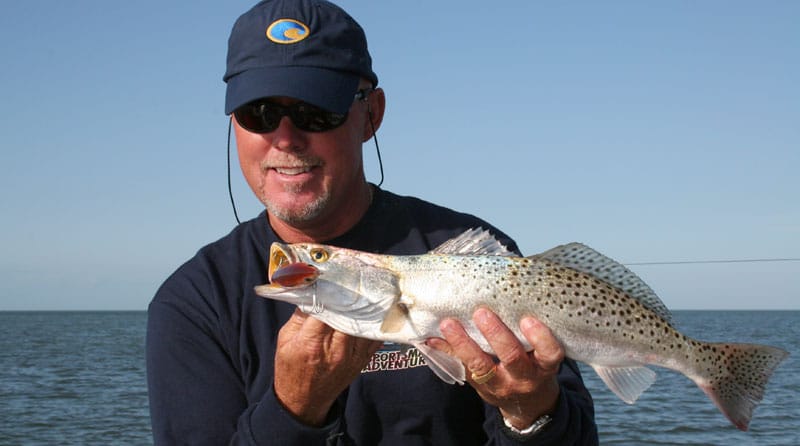
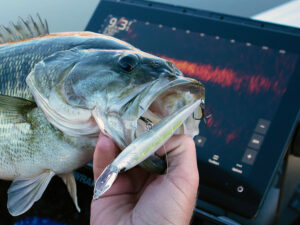
Braid’s sensitivity makes it a great line for working plugs and lures, particularly crank baits or spinner baits that have movement, and for bottom fishing. The angler can feel a piece of grass on the line and braid creates better contact with a hooked fish.
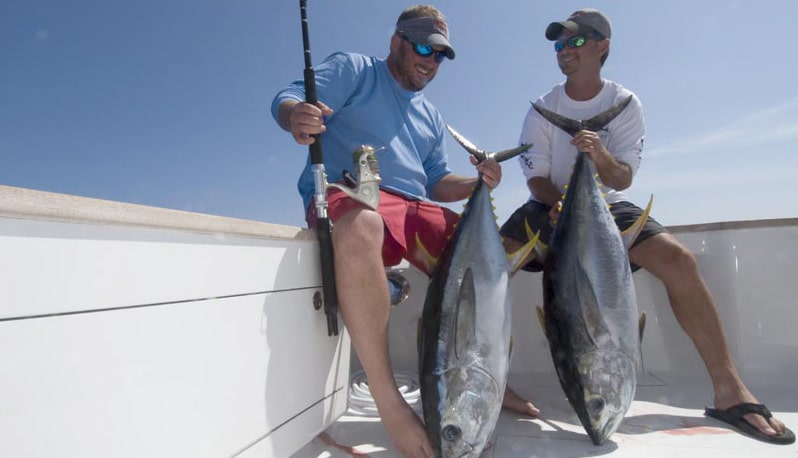
Braid also offers more strength compared with line diameter, which means anglers can pack more line onto smaller reels — an advantage for long-range tuna fishermen off Southern California. SoCal yellowtail anglers prefer braid because it quickly slices through kelp, a favorite hiding place for those Pacific brawlers.
But while braid’s strength creates confidence, its knot-failure rate means connections must be tried and tested. When you tie mono and braid together, braid will win.
Pros know how to make the best connections between braid and mono, and while they use braid for a main line, they also rig long top shots and wind-on leaders offshore to add stretch and subtract visibility.
The evolution of braided lines in recent years has helped to eliminate early issues with wind knotting and tip wrapping. Monofilament has also come a long way, as the formulas now include multiple ingredients to focus on lowering stretch and memory and improving tensile strength. The current manufacturing trend seems to be combining the best attributes of the two.
When to Use Monofilament Fishing Line
What mono and fluoro bring to the table is stretch, which can be a positive and a negative. If you use too much drag or too heavy a rod, mono might accommodate the shock from a quick hit or surging fish, where braid might snap at the knot.
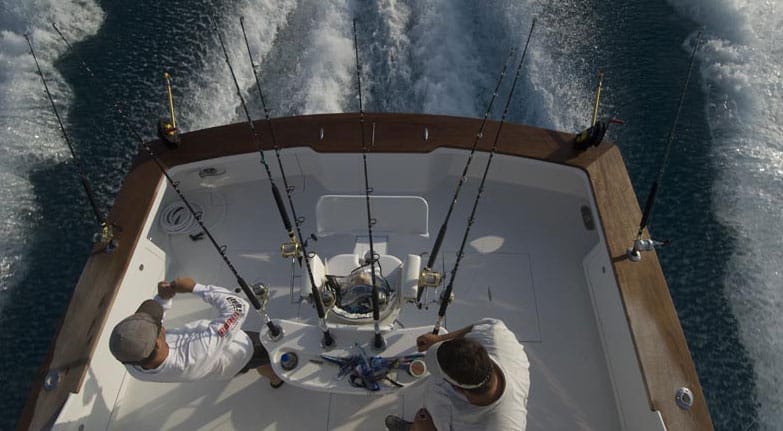
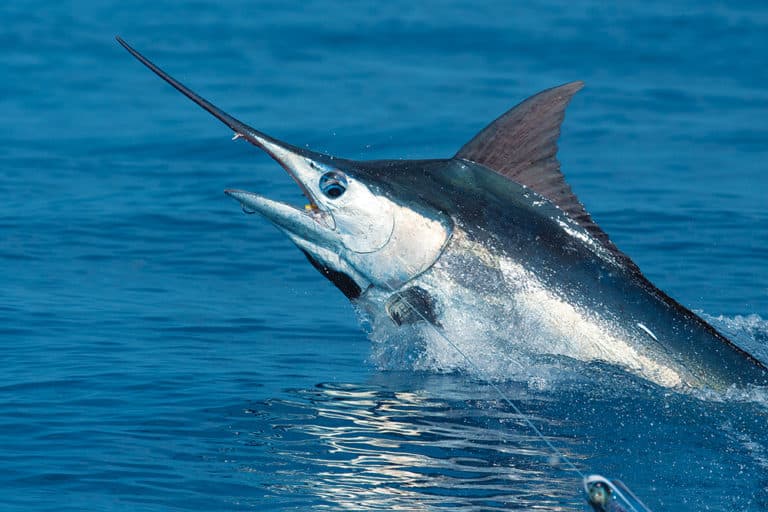
Mono’s stretch becomes especially critical when anglers go big-game trolling, where a fish weighing hundreds of pounds can hit with devastating force. Most offshore anglers also use mono for safety reasons. Take a wrap past the leader with braid, and you could lose a finger if a big fish struggles boat-side.
Mono holds knots better and costs less than braid. It also works better on smaller bait-casting reels because light braid can dig into itself. Florida sailfish and dolphin anglers still use a lot of mono on the troll, and some use it for kite lines because it runs through the clips better.
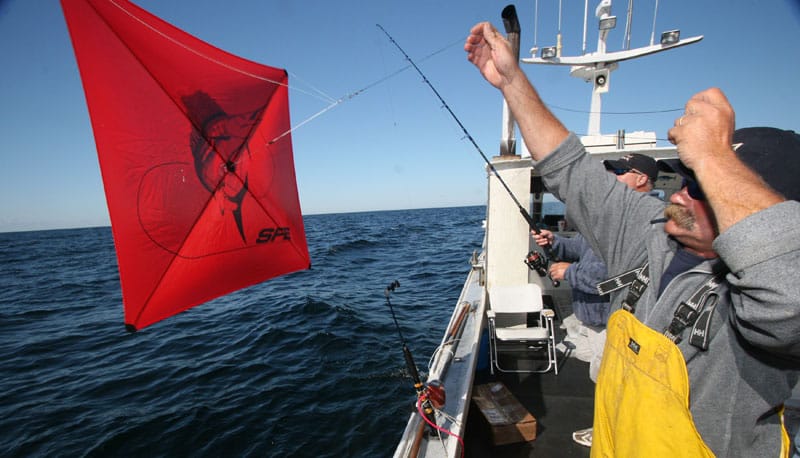
Mono also helps prevent possible cutoffs when using kites. A fish that takes off with a kite bait fished on braid, crossing other lines, could inadvertently sever them.
In fact, there’s still a huge demand for mono, especially for use in clear water — whether you’re trying to get a snapper bite or casting to a bonefish.
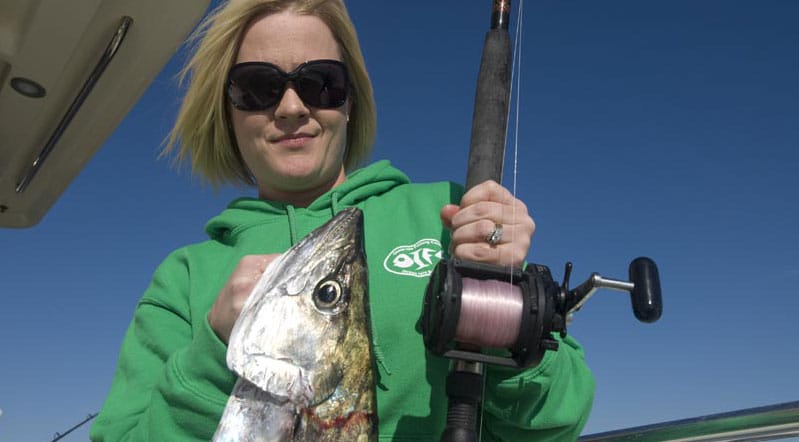
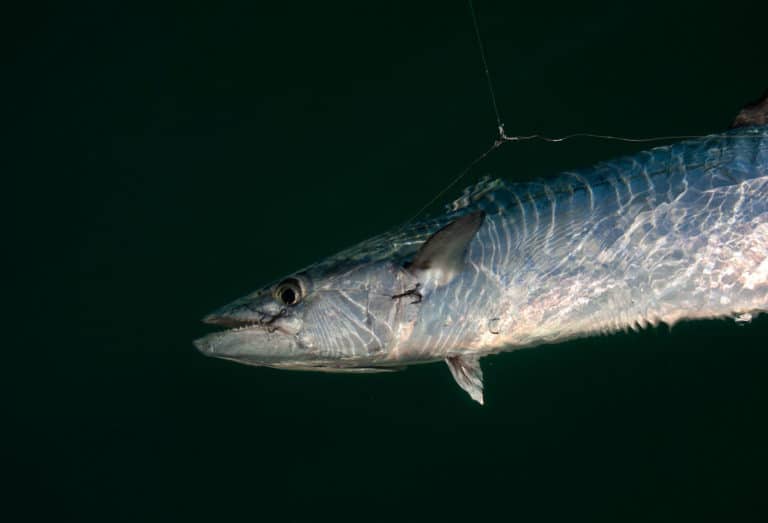
In some cases, mono isn’t quite good enough. Kingfish tournament anglers sometimes use fluorocarbon as mainline. Yes, that’s expensive, but fluoro can offer the angler better feel when fighting the fish, and with a trace of wire leader, the rig stays intact.
Fluorocarbon features average tensile strength, but its knot strength rates below that of nylon. It does offer good abrasion resistance, better than mono, and some say better than braid.
Braid’s main strength is straight up and down. When its fibers abrade, the line can sometimes become compromised, but in general, it’s still much stronger than mono at the same diameter.
Sport Fishing Insight: Fluorocarbon Features
Even though fluorocarbon can seem too expensive a mainline choice for offshore anglers, inshore fishermen often do use it because of its higher shock strength. Its primary drawback besides price: susceptibility to friction.
Anglers must also take extra care when tying knots. Some knots, such as Palomars, don’t do well when tied in fluoro.
Follow some general guidelines when choosing mono or braid, and you should increase your hookups and suffer fewer cutoffs.