Gulf of Mexico
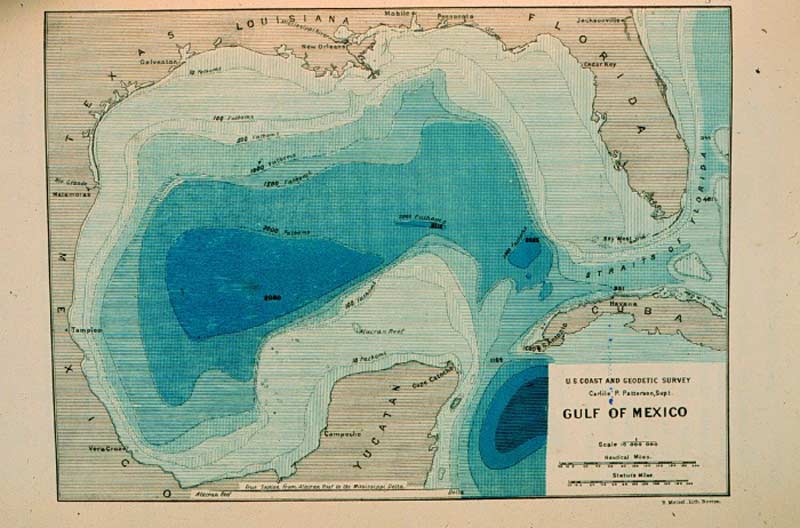
The Gulf of Mexico …
- is highly important as a source of recreational fishing, seafood, oil and tourism. (It recorded 44 percent of marine recreational catches in 2009.)
- has gained some long-needed financial support after two major environmental disasters — Hurricane Katrina and the Deepwater Horizon explosion and spill.
- is the focus of a dizzying number of task forces, damage assessments, research initiatives and symposia.
- desperately needs fisheries-independent research for better and more frequent stock assessments.
- requires new and innovative partnerships between public and private sectors and better cooperation among all interests.
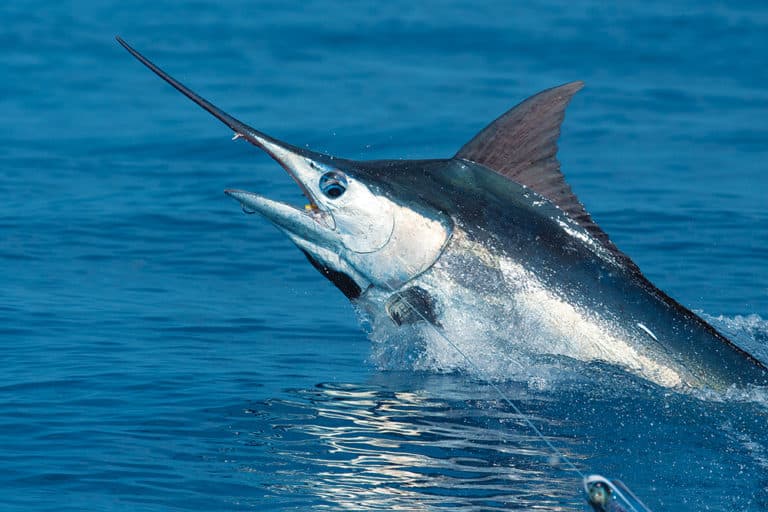
- pelagic migratory fishes might have dodged a bullet with regard to oil contamination after the 2010 spill.
Those statements represent some of the key ideas shared Sept. 14-15 at the inaugural Gulf of Mexico Fisheries Symposium in St. Pete Beach, Florida. Several hundred of the Gulf’s top scientists, high-level fishery managers, anglers and others gathered for the event, sponsored by the Guy Harvey Ocean Foundation, NOAA and a handful of Florida entities, including the Florida Institute of Oceanography and Mote Marine Laboratory. They data-dumped for 16 hours via a series of panel discussions and presentations.
“We have an enormous opportunity. We have the attention of legislatures and the public. But I’m afraid that window of attention is very fickle. We need to have a unified voice to take advantage of this opportunity,” Steve Murawski said in his summary comments. Murawski, representing the College of Marine Science at the University of South Florida, continued, quoting a saying: “You never know if you’re lost, if you don’t know where you’re going.
“But you’re also lost if you have multiple destinations. Everybody’s got a bunch of plans. If that’s the case, we’re not going to have focus. We need a method to harmonize.”
I couldn’t agree more. But fisheries research and management are connected to environmental and ecosystem protection — both are at the mercy of multiple user groups and masters, spread over several federal departments, many state agencies and numerous academic institutions. In this two-day session alone, participants heard about the Natural Resource Damage Assessment (NRDA) process, the Gulf Coast Ecosystem Restoration Task Force, the Gulf of Mexico Research Initiative (GoMRI), the** Gulf of Mexico Research Collaborative (GOMURC)** and the RESTORE Act process, among others — all efforts to assist the Gulf in rebounding from its troubles, administered by a mix of entities and all with their own websites and information streams.
We also heard from scientists whose work is at least partially funded by the Guy Harvey Ocean Foundation. Much of the discussion shared the post-disaster theme but much also looked at the Gulf’s broader issues of coastal-habitat degradation, fisheries issues, rigs-to-reef efforts and the nearshore hypoxic zone. One panel also explored the question of using aquaculture for stock enhancement and seafood production.
From the science presented, panelists communicated several basic conclusions:
- The deeper in the water column we look (down to 8,600 feet in one study), the greater the frequency of hydrocarbon exposure we find in various animals and in sediments. Those levels are still relatively low, but no one knows what effects we may see over time.
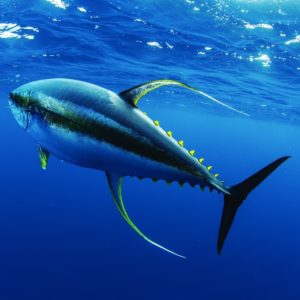
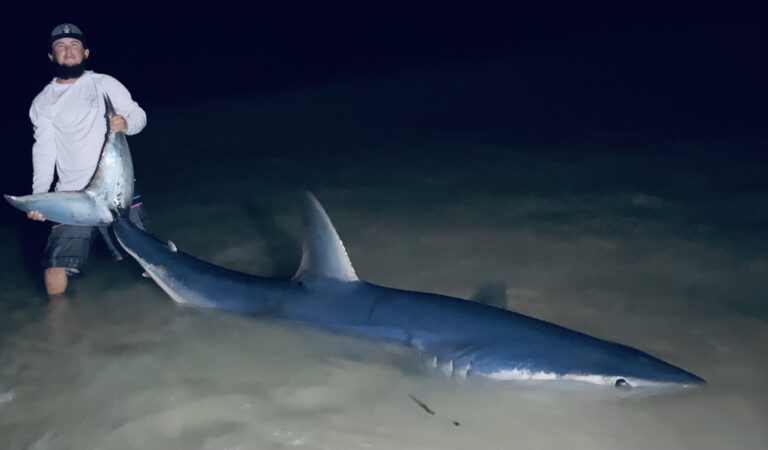
- In studies of migratory pelagic species (excluding bluefin tuna) bony fishes seemed to show more hydrocarbon exposure than sharks, though few showed high levels, especially compared with deepsea fishes.
- Research helped document some bluefin tuna spawning sites that might have been affected by the Deepwater Horizon’s oil, but it couldn’t determine whether the tuna or their larvae escaped the effects of the spill.
- In 2011 sampling, a higher incidence of diseased fish (10 percent) was found in areas affected by the spill, although that incidence is declining now.
- Sixty-nine marine restoration priorities across four themes of ocean habitats, fishery resources, marine wildlife and human uses were determined in April by an expert research panel.
- Through the NRDA, so far, eight projects have been created primarily for marsh, oyster and artificial-reef enhancement.
Clearly, the Gulf’s intricate web of fish, habitat and humans can’t be easily organized and controlled for wise management. And even the most earnest call for altruism among user groups won’t quell ugly allocation disputes between people with vastly different goals.
Ditto the continual lament about money to pay for better science and enforcement. The cash from BP obviously helps the Gulf, but it focuses on the cause-and-effect spill issues. Federal and state managers who spoke on panels reported further spending cuts for 2013.
Private funding, such as that from the Guy Harvey Ocean Foundation, helps fill the gap. But, in some cases, it encourages lawmakers to further cut public agency budgets.
That prompted one speaker — Jackie Dixon, dean of the College of Marine Science at USF — to warn: “We need to make sure we keep this [BP funding] as NEW money rather than giving government an excuse to remove its funding.”
Perhaps the most positive outcome from the Gulf symposium simply came from bringing together so many keen minds. Just as time will tell how the Gulf responds to the oil spill, the future should show what this networking experience spawned.